
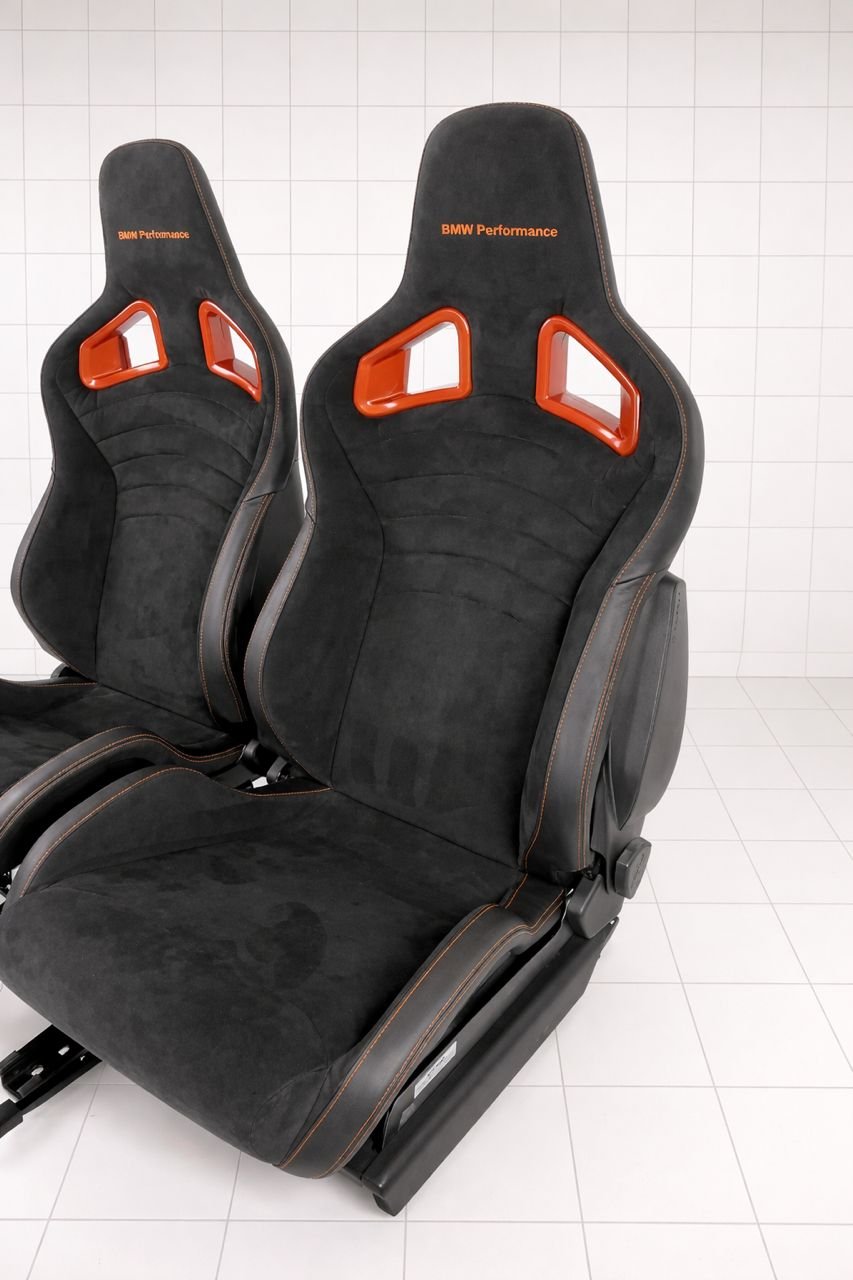

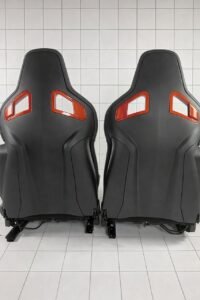
Performance Dynamics, Structural Integrity, and Advanced Material Engineering
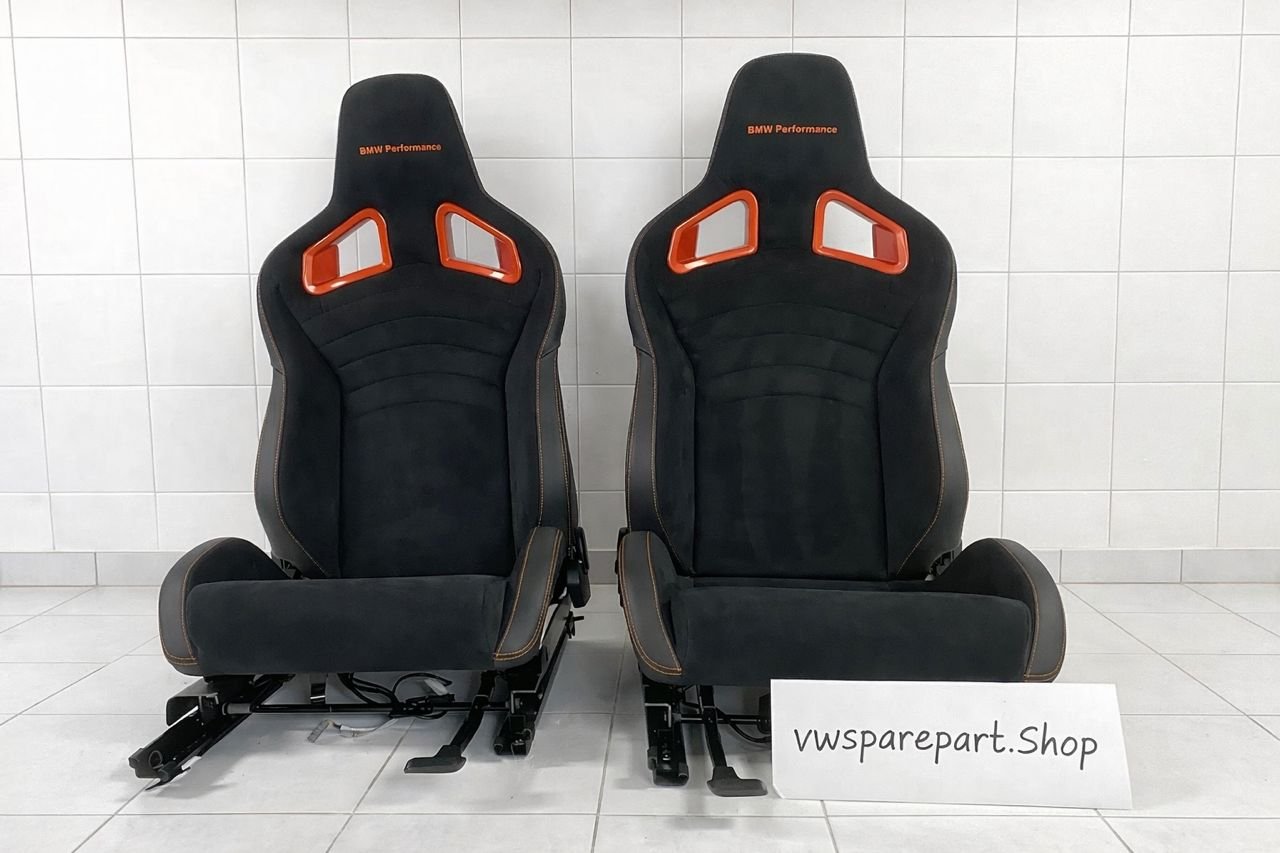
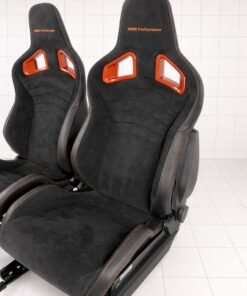
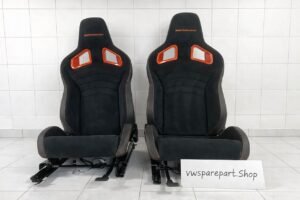
The Recaro BMW M1 Performance Sportster CS is engineered to transform how a driver interacts with a BMW M chassis. While ergonomics improve comfort and posture, structural rigidity and material precision directly influence dynamic control. Therefore, this section focuses on performance stability, frame engineering, durability standards, and long-term reliability.
Enhanced Driver-Vehicle Feedback
BMW M vehicles are calibrated for sharp throttle response, precise steering geometry, and balanced weight distribution. However, inconsistent body positioning can dilute that precision. The M1 Performance Sportsters address this limitation by anchoring the driver securely within the cockpit.
Because lateral movement is minimized, steering inputs become more accurate. In addition, throttle modulation improves when leg positioning remains consistent. As a result, drivers experience sharper response during aggressive cornering and rapid directional transitions.
High lateral G-forces are common in M-tuned vehicles. Without adequate containment, drivers must brace against the steering wheel. Consequently, muscle fatigue increases and fine motor control decreases. The Sportster’s pronounced torso and thigh bolsters eliminate this issue by stabilizing the pelvis and ribcage.
Frame Architecture and Rigidity
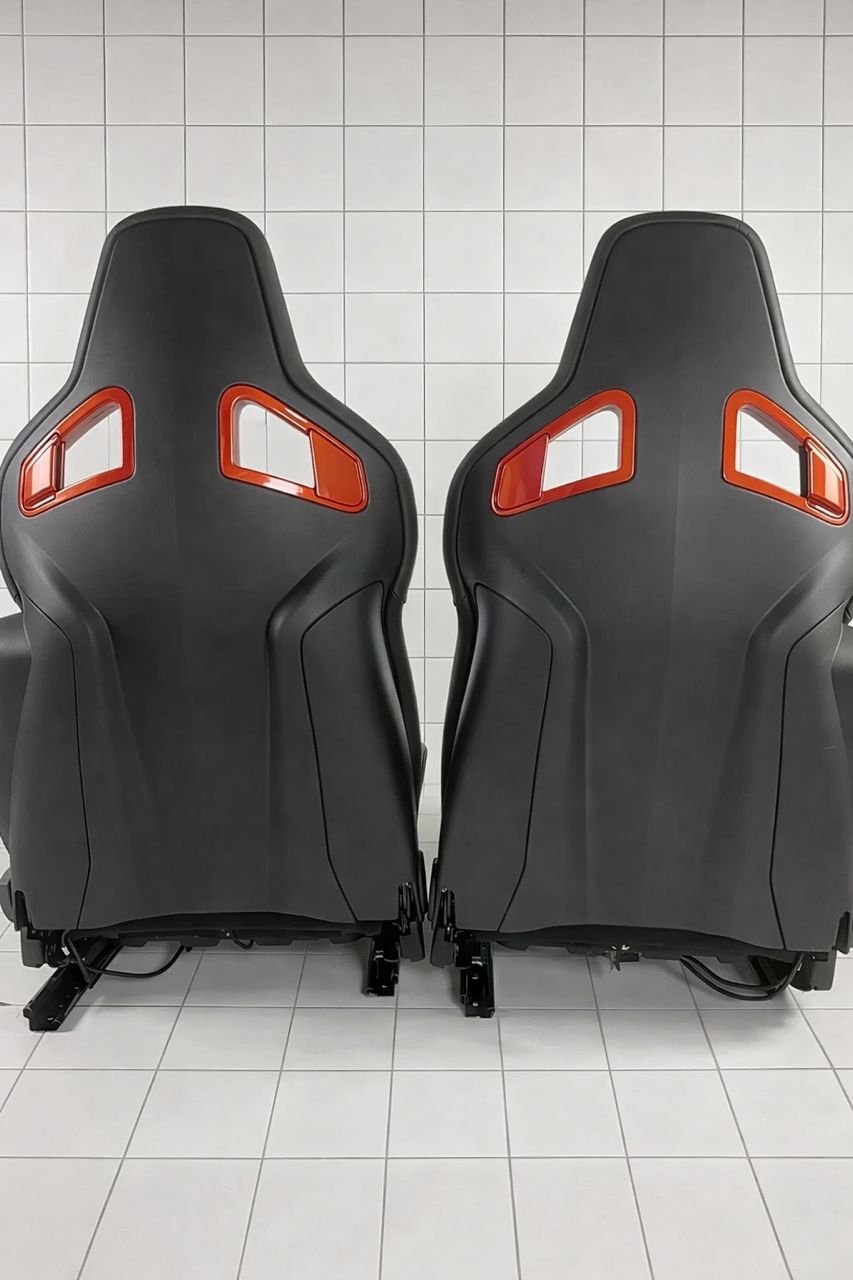
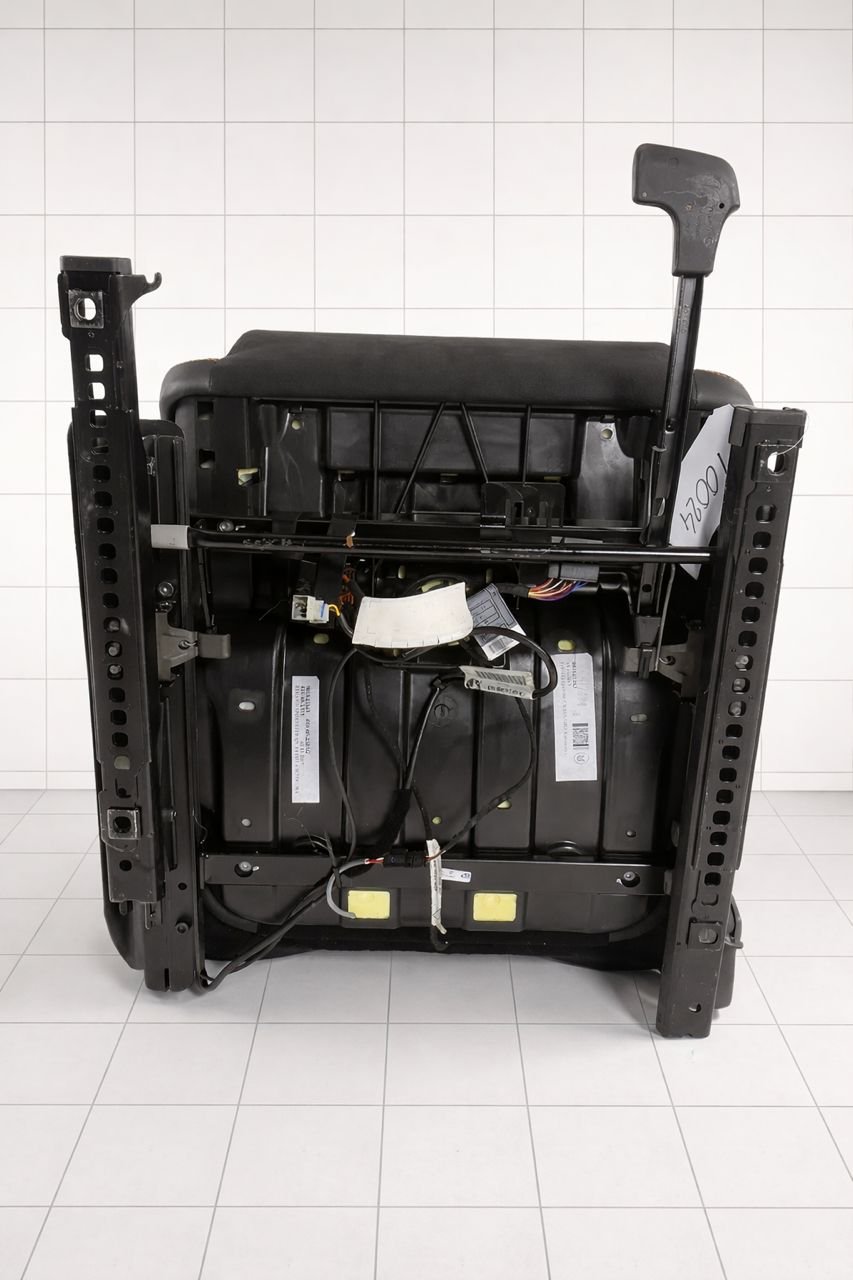
Structural integrity defines long-term performance. The M1 Performance Sportsters incorporate a reinforced steel internal frame designed to resist torsional flex. Because load distribution occurs across engineered anchor points, the seat maintains alignment even under dynamic stress.
Precision welding reinforces critical joints. Additionally, mounting interfaces are strengthened to ensure stable chassis integration. When paired with BMW-specific brackets, the seat becomes an extension of the vehicle’s structural framework.
Micro-flex is strategically controlled within non-critical zones. This calculated compliance absorbs minor vibrations without compromising rigidity. Therefore, road harshness is moderated while performance stability remains intact.
Energy Distribution and Load Management
Performance seating must withstand repeated acceleration, braking, and cornering cycles. Over time, inconsistent load management can weaken inferior seat structures. However, the M1 Performance Sportsters distribute dynamic forces evenly across the frame and padding layers.
Because energy is diffused rather than concentrated, structural fatigue is reduced. Consequently, long-term durability improves significantly. Even under track-day conditions, the seat maintains contour accuracy and support consistency.
Advanced Upholstery and Surface Engineering
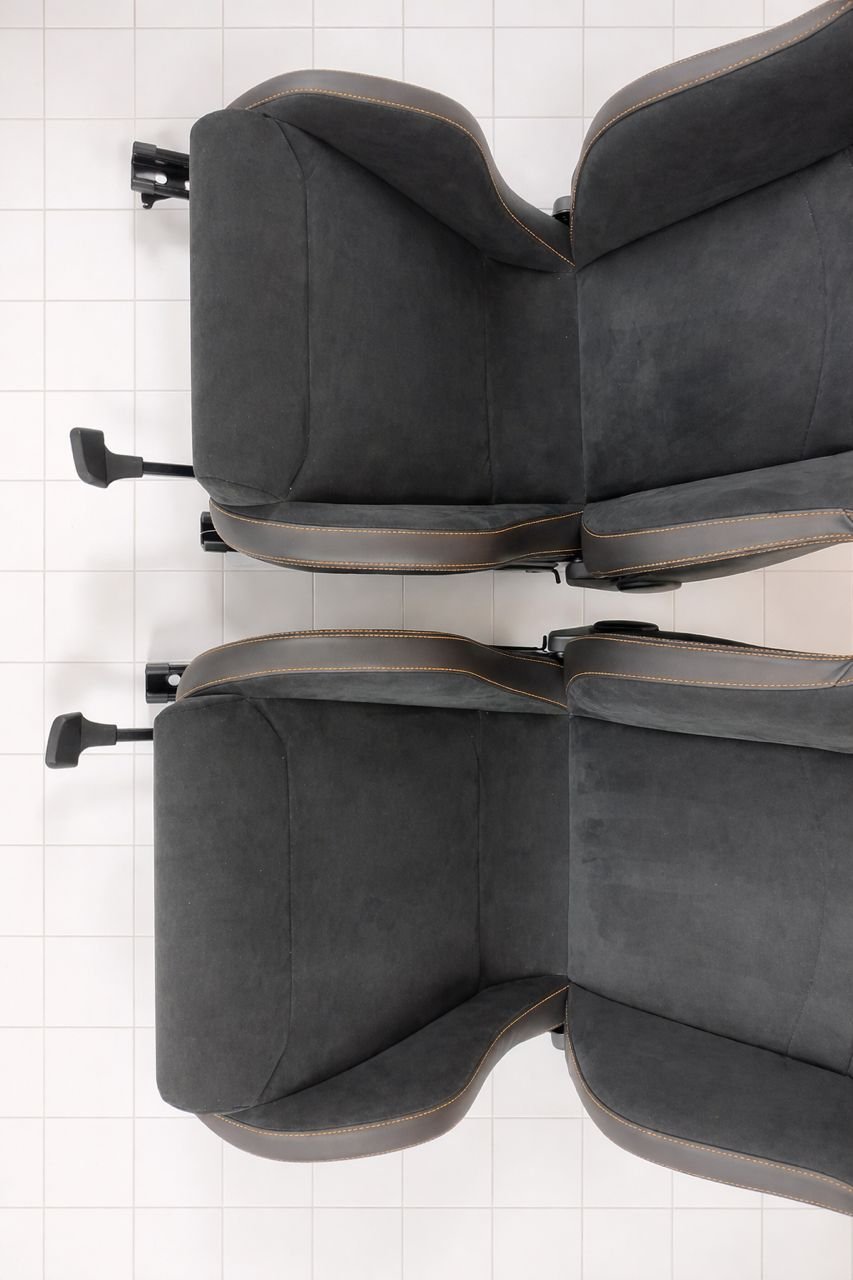
Material engineering supports both grip and longevity. High-friction textile panels secure the driver during lateral transitions. Meanwhile, smoother outer sections facilitate ease of entry and exit. This dual-surface strategy enhances practicality without compromising performance.
Reinforced stitching is applied to bolster edges, which endure the highest stress levels. Because repeated ingress compresses these areas, seam strength becomes critical. High-tensile thread construction ensures lasting durability.
Additionally, abrasion-resistant fabrics maintain surface integrity over extended use. Lower-grade seats may exhibit premature pilling or stretching. In contrast, the Sportster’s upholstery resists wear while preserving visual sharpness.
Foam Density Calibration and Contour Retention
Cushion resilience directly impacts comfort and structural longevity. The M1 Performance Sportsters utilize multi-density foam engineering to achieve balanced compression resistance.
The lower foam layer provides structural firmness. Above it, a responsive comfort layer adapts to body contours. Because compression is distributed evenly, pressure hotspots are minimized.
Over time, foam degradation can alter seat geometry. However, high-resilience materials are selected to maintain contour definition. As a result, ergonomic support remains consistent across years of use.
Thermal Stability and Environmental Durability
Automotive interiors experience extreme temperature variation. Therefore, upholstery materials must withstand both heat and humidity fluctuations. The Sportster’s fabric and padding systems are engineered for thermal stability.
Heat-resistant textiles reduce deformation risk during warm conditions. Additionally, breathable panels support airflow across high-contact surfaces. Because ventilation mitigates moisture accumulation, material breakdown is minimized.
UV resistance further protects color integrity. Consequently, interior aesthetics remain sharp even after prolonged sun exposure.
Integration with BMW Chassis Dynamics
The seat’s performance characteristics complement BMW M suspension tuning. Because body stability enhances feedback sensitivity, chassis communication becomes clearer.
Drivers report improved steering feel when posture remains anchored. Moreover, braking modulation becomes smoother when leg alignment is stabilized. Therefore, the seat contributes directly to performance refinement.
Installation precision influences overall integration quality. Vehicle-specific rails and brackets ensure correct seat height and tilt alignment. Professional installation is recommended to preserve structural integrity and compliance standards.
Real-World Reliability and Ownership Value
Performance modifications must deliver sustained benefits. The M1 Performance Sportsters are engineered for both track exposure and daily commuting. Reinforced internal architecture absorbs cyclical stress patterns efficiently.
Because bolster depth balances support with accessibility, ingress-related wear is distributed evenly. As a result, visual and structural longevity improve over time.
Owners benefit from consistent support characteristics across diverse driving environments. Whether navigating city streets or attacking apexes, the seat performs predictably.
Summary of Performance and Structural Benefits
The Recaro BMW M1 Performance Sportsters provide measurable advantages across structural and material dimensions:
-
Reinforced steel frame construction
-
Controlled torsional rigidity
-
High-efficiency lateral containment
-
Multi-density foam resilience
-
Abrasion-resistant upholstery
-
Thermal and UV durability
-
BMW-specific installation compatibility
Together, these attributes create a seating system that enhances both dynamic control and long-term reliability. Rather than functioning as a cosmetic upgrade, the Sportster integrates structural engineering with BMW M performance philosophy bmw m1 sportsters.
Consequently, drivers gain sharper vehicle feedback, sustained ergonomic support, and dependable durability in one cohesive performance seating solution bmw m1 sportsters.
Premium Materials, Craftsmanship Precision, and Aesthetic Integration
The Recaro BMW M1 Performance Sportster CS reflects a deliberate balance between motorsport aggression and BMW interior refinement. While structural engineering defines performance capability, material execution defines long-term satisfaction bmw m1 sportsters. Therefore, this section examines upholstery quality, stitching precision, surface engineering, and cabin integration bmw m1 sportsters.
Motorsport-Inspired Material Selection
Material choice directly influences grip, durability, and perceived luxury. The M1 Performance Sportsters utilize carefully selected combinations of high-friction performance fabric, premium leather, or advanced synthetic composites depending on configuration bmw m1 sportsters.
High-grip textile inserts are positioned in critical contact zones bmw m1 sportsters. Because lateral containment depends on controlled friction, these panels reduce unwanted sliding during cornering bmw m1 sportsters. As a result, the driver maintains consistent posture without overexertion.
Meanwhile, smoother outer surfaces allow easier ingress and egress. Excessively abrasive materials would accelerate bolster wear. Therefore, the dual-surface strategy optimizes both functionality and longevity bmw m1 sportsters.
Reinforced Stitching and Structural Seams
Seam integrity determines how well a seat withstands repeated stress cycles bmw m1 sportsters. The Sportsters incorporate reinforced stitching patterns along high-load areas such as thigh bolsters and shoulder supports.
Because entry and exit place concentrated pressure on bolster edges, seam durability is critical. High-tensile thread and precision stitch spacing enhance resistance to separation. Consequently, long-term structural stability is preserved bmw m1 sportsters.
Contrast stitching options reflect BMW M performance aesthetics. However, these visual details serve structural purposes as well. Double-stitch reinforcement increases tensile strength while simultaneously enhancing cabin presentation bmw m1 sportsters.
Foam Sculpting and Surface Contour Definition
Craftsmanship extends beyond upholstery to internal contour sculpting. Multi-layer foam construction shapes the seat’s external profile with precision. Because contour definition influences both ergonomics and aesthetics, foam density transitions are calibrated carefully bmw m1 sportsters.
The upper comfort layer adapts to driver anatomy, while the lower structural layer maintains firmness. Over time, inferior seats lose contour accuracy due to uneven compression. In contrast, high-resilience foam materials are used in the M1 Performance Sportsters to preserve geometry bmw m1 sportsters.
As a result, the seat maintains its sculpted form even after prolonged use. Visual sharpness and ergonomic consistency remain aligned bmw m1 sportsters.
Premium Texture and Tactile Feedback
Interior quality is experienced not only visually but also through touch. The M1 Performance Sportsters provide a refined tactile interface between driver and vehicle bmw m1 sportsters.
Leather or performance textile surfaces feel deliberate and structured rather than soft and undefined. Because tactile firmness reinforces performance identity, the seat communicates intent immediately bmw m1 sportsters.
Additionally, surface grain selection complements BMW interior trim textures. This alignment ensures that the seat integrates harmoniously rather than appearing aftermarket bmw m1 sportsters.
Aesthetic Harmony with BMW M Interiors
BMW M cabins emphasize purposeful minimalism and technical precision. Therefore, the Sportsters incorporate subtle design cues that mirror factory elements bmw m1 sportsters.
Contrast stitching may align with M signature color themes. Panel segmentation follows geometric lines consistent with BMW dashboard and door trim design bmw m1 sportsters. Consequently, visual continuity is preserved seats for vw.
The integrated headrest silhouette enhances cabin depth without disrupting sightlines. Because seat height and shoulder contour are proportioned carefully, rear passenger visibility remains reasonable in coupe configurations recaro volkswagen seats.
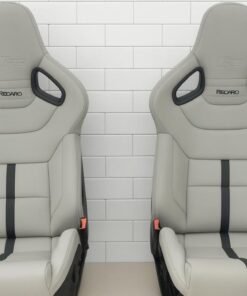
Branding placement is deliberate and restrained. RECARO identification appears refined rather than excessive. As a result, authenticity is communicated without compromising BMW’s design language.
Durability Under Daily Use
Material durability determines ownership value. The M1 Performance Sportsters are engineered to resist abrasion, UV exposure, and thermal fluctuation mk6 r seats.
High-contact zones are reinforced to withstand repetitive compression. Because bolster surfaces endure constant friction, abrasion-resistant textiles are applied strategically. Consequently, premature wear is minimized.
UV-resistant treatments may be incorporated to preserve color consistency. Over time, untreated materials can fade under sunlight exposure. However, protective finishing reduces discoloration risk.
Moisture management is also considered. Breathable textile panels encourage airflow, thereby reducing condensation buildup. As a result, material longevity improves while maintaining comfort mk7 gti seats.
Customization and Personal Expression
BMW enthusiasts often pursue personalized builds. The Sportsters offer upholstery variations and stitching options that allow customization while preserving OEM integration.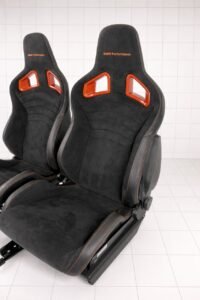
Because color coordination influences cabin cohesion, careful configuration enhances visual impact. Subtle changes can transform the interior without overwhelming factory design elements bmw m1 sportsters.
Additionally, pairing the seats with carbon fiber trim or M performance accents further elevates the cockpit aesthetic. Therefore, the Sportsters function as both performance hardware and visual centerpiece bmw m1 sportsters.
Long-Term Visual Integrity
Seats are among the most visible interior components. Consequently, maintaining aesthetic sharpness is essential. Reinforced seam lines, durable textiles, and structured foam architecture preserve the seat’s visual identity.
Unlike lower-quality aftermarket seats that degrade visibly within years, the M1 Performance Sportsters maintain form and finish consistency. This durability reinforces brand credibility and resale value bmw m1 sportsters.
Summary of Material and Craftsmanship Advantages
The Recaro BMW M1 Performance Sportsters deliver measurable benefits across craftsmanship dimensions:
-
High-grip performance textile panels
-
Premium leather or composite upholstery options
-
Reinforced high-tension stitching
-
Multi-layer foam contour retention
-
UV and abrasion resistance bmw m1 sportsters
-
Breathable surface engineering
-
Seamless BMW M interior integration
Together, these material and aesthetic elements reinforce the seat’s motorsport identity while preserving luxury refinement. Rather than prioritizing appearance alone, the M1 Performance Sportsters combine structural durability with tactile precision.

Reviews
There are no reviews yet.