
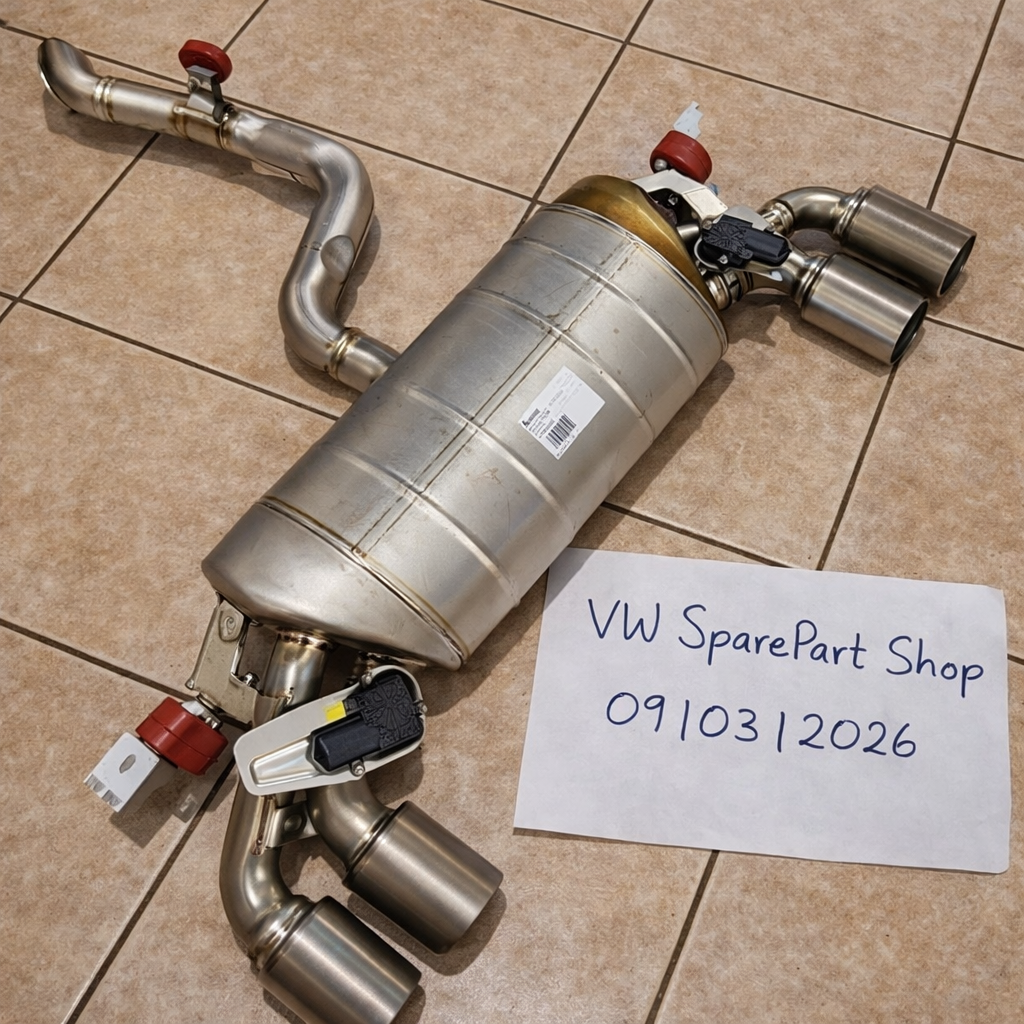
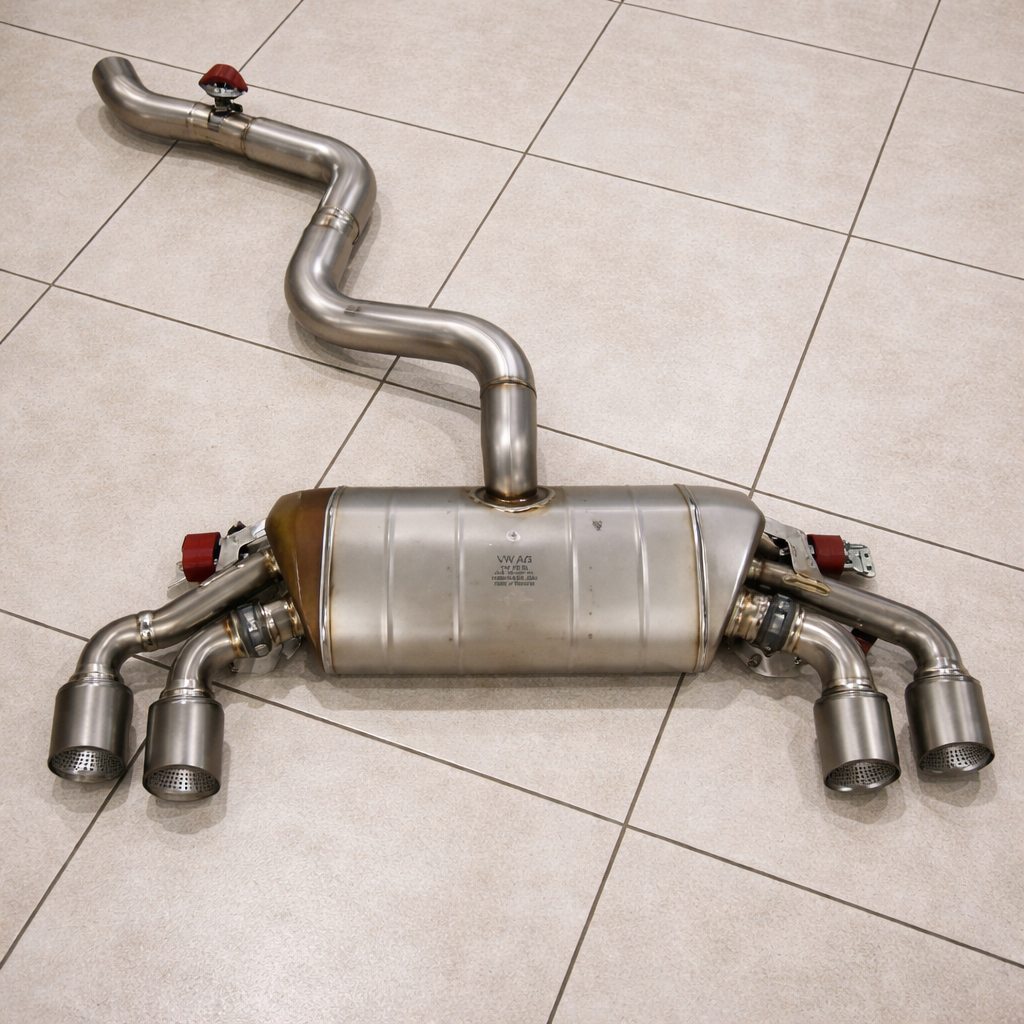
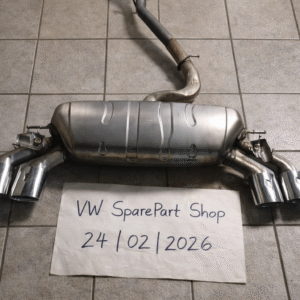
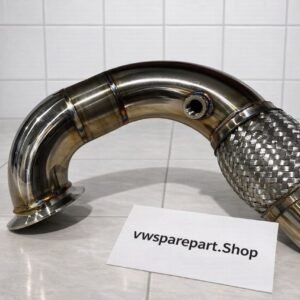
Volkswagen GTI Exhaust
€700.00
Description
Volkswagen GTI Exhaust – The Ultimate Performance Upgrade for GTI Enthusiasts
Discover the Power of a Volkswagen GTI Exhaust Upgrade
Within the performance car community, few upgrades are discussed as frequently as the Volkswagen GTI exhaust. Power improvements, sound enhancement, and improved airflow are consistently sought by drivers who want to unlock the full potential of their GTI.
Unlike many cosmetic modifications, an exhaust system upgrade directly influences how the engine breathes. Because airflow efficiency is improved, performance gains can often be realized without sacrificing reliability or drivability.
More importantly, a well-engineered Volkswagen GTI exhaust system transforms the character of the vehicle. Acceleration becomes more responsive. Sound becomes more aggressive. Meanwhile, the driving experience becomes significantly more engaging.
Furthermore, modern performance exhaust systems are engineered to maintain comfort while delivering enhanced performance. As a result, both performance enthusiasts and daily drivers benefit from this upgrade.
Consequently, the Volkswagen GTI exhaust upgrade has become one of the most popular performance modifications for GTI owners worldwide.
Why Upgrading Your Volkswagen GTI Exhaust Matters
Performance Improvements from a Volkswagen GTI Exhaust
A factory exhaust system is typically designed with noise restrictions, manufacturing cost efficiency, and emissions compliance in mind. While these priorities ensure reliability and regulatory compliance, performance potential is often limited.
However, when a performance Volkswagen GTI exhaust system is installed, airflow restrictions are significantly reduced.
Because exhaust gases are able to exit the engine more efficiently, several performance advantages are often experienced.
Key performance improvements include:
-
Increased horsepower output
-
Improved torque throughout the RPM range
-
Faster turbocharger spool response
-
Reduced exhaust backpressure
-
Improved engine breathing efficiency
-
Enhanced throttle responsiveness
Additionally, turbocharged engines such as those used in the GTI platform respond particularly well to exhaust upgrades.
When exhaust gases exit the turbocharger more efficiently, turbo efficiency is improved. As a result, power delivery often becomes smoother and more immediate.
Furthermore, when paired with other performance modifications such as ECU tuning or cold air intakes, the Volkswagen GTI exhaust upgrade can contribute to even greater gains.
Sound Enhancement with a Volkswagen GTI Exhaust
Although performance improvements are significant, sound transformation remains one of the most appealing aspects of installing a Volkswagen GTI exhaust system.
From the factory, the GTI exhaust tone is designed to remain refined and quiet. This conservative sound profile ensures comfort for everyday commuting. Nevertheless, many drivers prefer a more aggressive and sporty exhaust note.
Fortunately, aftermarket exhaust systems are specifically engineered to provide deeper and more dynamic sound characteristics.
Sound benefits of a performance GTI exhaust
-
Deep and aggressive exhaust tone
-
Sportier sound during acceleration
-
Refined acoustic profile during highway cruising
-
Reduced unwanted cabin drone
-
More engaging driving experience
Because modern exhaust manufacturers use advanced acoustic engineering, sound improvements can be achieved without creating excessive interior noise.
Therefore, drivers can enjoy the enhanced personality of their vehicle without sacrificing daily comfort.
Understanding the Volkswagen GTI Exhaust System
How the Exhaust System Works
In order to fully appreciate the value of a Volkswagen GTI exhaust upgrade, it is helpful to understand how the exhaust system functions.
After fuel combustion occurs within the engine, exhaust gases must be safely expelled from the vehicle. This process occurs through several components that guide and control airflow.
Each component within the exhaust system performs a specific role.
Major components of a Volkswagen GTI exhaust system
-
Exhaust manifold
-
Downpipe
-
Catalytic converter
-
Resonator
-
Muffler
-
Exhaust tips
Because these components regulate exhaust flow, any restriction within the system can reduce engine efficiency.
Consequently, aftermarket exhaust systems are engineered to improve flow while maintaining proper sound control.
Factory GTI Exhaust vs Performance Exhaust
Factory exhaust systems prioritize comfort and emissions compliance. Meanwhile, performance exhaust systems are engineered for improved airflow and enhanced sound.
Several differences can be observed when comparing the two systems.
Factory Volkswagen GTI exhaust characteristics
-
Narrow exhaust piping
-
Heavier components
-
Restrictive muffler design
-
Quiet sound profile
Performance Volkswagen GTI exhaust characteristics
-
Larger diameter piping
-
Mandrel-bent exhaust tubing
-
Lightweight materials
-
Aggressive sound engineering
Because airflow efficiency is improved in performance systems, engine performance can be noticeably enhanced.
Types of Volkswagen GTI Exhaust Systems
Not all exhaust systems are designed the same way. Several configurations are available, each offering unique benefits depending on performance goals.
Understanding these options helps buyers select the best Volkswagen GTI exhaust system for their needs.
Cat-Back Volkswagen GTI Exhaust
The cat-back exhaust system is one of the most popular upgrades for GTI owners.
In this configuration, the exhaust components located behind the catalytic converter are replaced.
Components typically included
-
Mid-pipes
-
Performance muffler
-
Exhaust tips
-
High-flow piping
Because the catalytic converter remains untouched, emissions compliance is often maintained.
Benefits of a Cat-Back GTI Exhaust
-
Noticeable performance gains
-
Aggressive sound improvement
-
Easy bolt-on installation
-
Excellent value for performance
For most drivers, a cat-back Volkswagen GTI exhaust upgrade offers the ideal combination of power, sound, and affordability.
Axle-Back Volkswagen GTI Exhaust
Another common option is the axle-back exhaust system.
In this setup, only the rear section of the exhaust system is replaced.
Axle-Back exhaust advantages
-
Lower cost compared to full systems
-
Quick installation
-
Improved exhaust sound
-
Lightweight design
However, because most of the factory piping remains unchanged, horsepower gains are typically smaller.
Nevertheless, drivers who want a better sound without major modification often choose this option.
Turbo-Back Volkswagen GTI Exhaust
For drivers seeking maximum performance, a turbo-back exhaust system offers the most comprehensive upgrade.
This configuration replaces the entire exhaust system from the turbocharger outlet to the rear exhaust tips.
Turbo-Back system components
-
Performance downpipe
-
High-flow catalytic converter or test pipe
-
Mid-pipes
-
Performance muffler
-
Exhaust tips
Because restrictions throughout the entire exhaust system are eliminated, significant airflow improvements can be achieved.
Consequently, turbo-back systems are often used in high-performance or track-focused GTI builds.
Materials Used in Volkswagen GTI Exhaust Systems
Material quality significantly affects durability, performance, and resistance to corrosion.
Most premium Volkswagen GTI exhaust systems are constructed using stainless steel.
Stainless Steel Performance Exhaust
Stainless steel remains the preferred material for high-performance exhaust systems because of its durability and corrosion resistance.
Advantages of stainless steel exhaust construction
-
Long service life
-
High heat tolerance
-
Excellent corrosion resistance
-
Strong structural durability
Two main stainless steel grades are commonly used.
304 Stainless Steel
-
Premium corrosion resistance
-
Longest lifespan
-
High-performance applications
409 Stainless Steel
-
More affordable option
-
Commonly used in OEM systems
-
Moderate corrosion resistance
Although both materials perform well, many enthusiasts prefer 304 stainless steel Volkswagen GTI exhaust systems for their superior longevity.
Key Features of a High-Performance Volkswagen GTI Exhaust
Modern exhaust systems incorporate advanced engineering features designed to maximize performance and sound quality.
Mandrel-Bent Exhaust Tubing
Unlike traditional crush-bent pipes, mandrel-bent tubing maintains a consistent diameter throughout the pipe.
Because airflow is not restricted, exhaust gases can move smoothly through the system.
Benefits of mandrel-bent piping
-
Improved airflow efficiency
-
Increased horsepower potential
-
Reduced exhaust turbulence
-
Better overall performance
Consequently, mandrel-bent construction has become a standard feature in premium Volkswagen GTI exhaust systems.
Highlight Product Listing – Volkswagen GTI Exhaust System
Performance Volkswagen GTI Exhaust Features
✔ High-quality stainless steel construction
✔ Mandrel-bent performance piping
✔ Increased horsepower and torque
✔ Deep aggressive exhaust tone
✔ Bolt-on installation compatibility
✔ Precision welded joints for durability
✔ Polished performance exhaust tips
✔ Engineered for optimal airflow
The Driving Experience with a Volkswagen GTI Exhaust Upgrade
Once a Volkswagen GTI exhaust upgrade is installed, the difference in driving experience can be immediately noticeable.
Acceleration becomes sharper. Turbo response improves. Sound becomes more aggressive and rewarding.
Moreover, the vehicle begins to feel more connected to the driver.
Instead of a quiet commuter hatchback, the GTI becomes a machine that delivers both performance and personality.
Therefore, for many drivers, upgrading the Volkswagen GTI exhaust system represents the first step toward building a truly personalized performance vehicle.
Best Volkswagen GTI Exhaust Brands for Performance and Sound
Selecting a high-quality Volkswagen GTI exhaust system requires careful consideration of brand reputation, engineering quality, and performance results. Across the performance automotive market, several manufacturers have consistently earned the trust of GTI enthusiasts.
Through extensive research and enthusiast feedback, a number of brands have emerged as leaders in GTI exhaust performance.
Premium Volkswagen GTI Exhaust Manufacturers
Several companies specialize in engineering exhaust systems specifically for the Volkswagen GTI platform. Because these manufacturers focus heavily on airflow optimization and acoustic tuning, their products often deliver exceptional results.
Popular GTI Exhaust Brands
-
Borla Performance Exhaust
-
MagnaFlow Exhaust Systems
-
AWE Tuning Exhaust
-
Milltek Sport Exhaust
-
Remus Performance Exhaust
-
Armytrix Valved Exhaust
-
APR Performance Exhaust
-
Corsa Performance Exhaust
Each manufacturer offers unique sound profiles, materials, and performance features. Consequently, drivers can choose a system that aligns with their personal driving preferences.
Borla Volkswagen GTI Exhaust Systems
Among performance exhaust manufacturers, Borla is widely recognized for producing high-quality stainless steel exhaust systems.
Borla systems are engineered using T-304 stainless steel, which ensures excellent corrosion resistance and long-term durability.
Borla GTI Exhaust Highlights
-
Premium 304 stainless steel construction
-
Aggressive yet refined exhaust tone
-
Mandrel-bent performance piping
-
Precision engineered fitment
-
Limited lifetime warranty
Because Borla focuses heavily on acoustic engineering, many GTI owners prefer these systems for their deep and balanced sound.
MagnaFlow Volkswagen GTI Exhaust Systems
MagnaFlow is another widely respected manufacturer known for delivering reliable performance exhaust solutions.
Unlike many aggressive systems, MagnaFlow exhausts often provide a smooth and refined sound profile.
MagnaFlow GTI Exhaust Advantages
-
High-flow straight-through mufflers
-
Stainless steel construction
-
Balanced performance and sound
-
Enhanced airflow design
-
Excellent durability
For drivers who want improved performance without extremely loud sound levels, MagnaFlow systems remain a popular option.
AWE Tuning Volkswagen GTI Exhaust Systems
Within the Volkswagen enthusiast community, AWE Tuning has developed a particularly strong reputation.
Their exhaust systems are engineered specifically for Volkswagen and Audi performance platforms.
AWE GTI Exhaust Key Features
-
Precision engineered for GTI models
-
Advanced drone-cancellation technology
-
Premium stainless steel construction
-
Aggressive motorsport sound profile
-
High airflow efficiency
Consequently, AWE systems are frequently chosen by enthusiasts who want both performance gains and a distinctive exhaust note.
Volkswagen GTI Exhaust Sound Levels Explained
Sound preference varies widely among drivers. For this reason, many exhaust manufacturers offer multiple sound profiles.
Understanding these sound levels can help drivers choose the most suitable Volkswagen GTI exhaust upgrade.
Mild Performance Exhaust
Mild performance exhaust systems provide a subtle improvement in exhaust tone without excessive noise.
These systems are often recommended for drivers who use their GTI as a daily commuter.
Mild exhaust characteristics
-
Slightly deeper tone than stock
-
Minimal cabin drone
-
Comfortable highway driving
-
Refined sound quality
Because these systems maintain comfort while improving sound, they are widely popular among daily drivers.
Moderate Sport Exhaust
Sport exhaust systems deliver a more noticeable upgrade in exhaust sound while maintaining reasonable noise levels.
Sport exhaust characteristics
-
Deep and sporty tone
-
Noticeable sound during acceleration
-
Balanced volume during cruising
-
Improved engine presence
This sound profile often provides the ideal balance between performance excitement and everyday usability.
Aggressive Performance Exhaust
Aggressive exhaust systems are typically designed for enthusiasts who want maximum sound and performance.
Aggressive exhaust characteristics
-
Loud and race-inspired tone
-
Sharp turbo sound during acceleration
-
Highly noticeable exhaust presence
-
Designed for performance builds
Although these systems deliver thrilling sound, they may be louder than some drivers prefer for daily commuting.
Volkswagen GTI Exhaust Installation Guide
Installing a Volkswagen GTI exhaust system is often considered a straightforward modification. Many systems are designed as bolt-on upgrades, meaning extensive modifications are not required.
Nevertheless, proper installation remains important for optimal performance and durability.
Tools Required for Exhaust Installation
Before installation begins, several tools should be prepared.
Basic installation tools
-
Socket wrench set
-
Torque wrench
-
Jack and jack stands
-
Exhaust hanger pliers
-
Penetrating lubricant
-
Safety gloves and eye protection
Because exhaust components can become extremely hot during operation, installation should always be performed on a cool vehicle.
Step-by-Step Volkswagen GTI Exhaust Installation
Although installation procedures may vary slightly depending on the system, the general process remains similar.
Step 1: Raise the Vehicle
First, the vehicle must be lifted safely using a jack and jack stands. Adequate clearance ensures safe access to the exhaust components.
Step 2: Remove the Factory Exhaust
Next, the factory exhaust system should be disconnected from the mounting points and exhaust hangers.
Penetrating lubricant may be applied to loosen rusted bolts.
Step 3: Install the New Exhaust Components
Once the factory system is removed, the new Volkswagen GTI exhaust components can be installed.
Typically, the installation sequence includes:
-
Mid-pipe installation
-
Muffler alignment
-
Exhaust tip positioning
Bolts should remain slightly loose during alignment to ensure proper fitment.
Step 4: Tighten All Hardware
After proper alignment has been achieved, all bolts should be tightened according to manufacturer torque specifications.
Step 5: Test the Exhaust System
Finally, the engine should be started to check for exhaust leaks or alignment issues.
If the installation has been performed correctly, the Volkswagen GTI exhaust upgrade should deliver immediate sound and performance improvements.
Volkswagen GTI Exhaust Performance Comparison
Many drivers wonder how much performance improvement can actually be gained from an exhaust upgrade.
Although results vary depending on the specific system, several common improvements are typically observed.
Typical performance improvements
-
Horsepower gain: 5–20 HP
-
Torque increase: 5–15 lb-ft
-
Faster turbo spool response
-
Improved throttle sensitivity
When combined with ECU tuning, the benefits can become even more noticeable.
Volkswagen GTI Exhaust – Frequently Asked Questions (FAQ)
What is a Volkswagen GTI exhaust?
A Volkswagen GTI exhaust is the exhaust system designed for the GTI performance hatchback. It directs exhaust gases away from the engine while controlling sound and airflow efficiency.
Factory exhaust systems prioritize quiet operation and emissions compliance. However, aftermarket GTI exhaust systems are engineered to improve airflow, enhance performance, and create a deeper sportier exhaust tone.
When a performance exhaust is installed, horsepower, throttle response, and turbo efficiency can often be improved.
Does upgrading a Volkswagen GTI exhaust increase horsepower?
Yes. Installing a performance Volkswagen GTI exhaust system can increase horsepower and torque.
Because airflow restrictions are reduced, the engine can expel exhaust gases more efficiently. As a result, engine performance improves.
Typical gains include:
-
5–20 horsepower increase
-
5–15 lb-ft torque improvement
-
Faster turbo spool response
-
Improved throttle responsiveness
Even greater gains can be achieved when the exhaust upgrade is combined with ECU tuning or intake upgrades.MK7 GTI cat back exhaust
Which Volkswagen GTI exhaust sounds the best?
The best sounding Volkswagen GTI exhaust depends on personal preference.
Some drivers prefer a deep refined tone, while others prefer an aggressive race-inspired sound.
Popular GTI exhaust brands known for excellent sound include:
-
AWE Tuning Exhaust
-
Borla Exhaust Systems
-
MagnaFlow Exhaust
-
Milltek Sport Exhaust
-
Remus Performance Exhaust
Each manufacturer designs its systems with unique acoustic characteristics.MK8 Volkswagen GTI exhaust
What is the difference between cat-back and axle-back GTI exhaust systems?
The difference between cat-back and axle-back Volkswagen GTI exhaust systems lies in how much of the exhaust system is replaced.
Cat-Back Exhaust
A cat-back exhaust replaces everything from the catalytic converter to the rear exhaust tips.
Benefits include:
-
Improved airflow
-
Increased horsepower
-
Enhanced exhaust sound
Axle-Back Exhaust
An axle-back exhaust replaces only the rear muffler section.
Benefits include:
-
Lower cost
-
Easier installation
-
Improved sound
However, axle-back systems typically provide smaller performance gains compared to cat-back systems.
Is a Volkswagen GTI exhaust upgrade worth it?
For many enthusiasts, upgrading the Volkswagen GTI exhaust system is absolutely worth it.
The upgrade delivers several benefits:
-
Increased engine performance
-
More aggressive exhaust sound
-
Improved turbo efficiency
-
Enhanced driving experience
-
Sportier vehicle appearance
Because the GTI platform responds well to airflow improvements, exhaust upgrades remain one of the most popular performance modifications.
Will a GTI exhaust upgrade affect fuel economy?
In most cases, a Volkswagen GTI exhaust upgrade does not negatively affect fuel economy.
Because engine efficiency may improve due to better airflow, fuel efficiency can sometimes remain the same or slightly improve.
However, driving habits often change after installing a performance exhaust because drivers enjoy the improved sound and acceleration.
As a result, fuel consumption may increase depending on driving style.loud Volkswagen GTI exhaust
How much does a Volkswagen GTI exhaust cost?
The price of a Volkswagen GTI exhaust system varies depending on the type of system and brand.
Typical price ranges include:
-
Axle-back exhaust systems: $300 – $800
-
Cat-back exhaust systems: $700 – $1,800
-
Turbo-back exhaust systems: $1,200 – $3,000+
Premium systems constructed from 304 stainless steel often cost more due to their durability and corrosion resistance.
Is a Volkswagen GTI exhaust easy to install?
Most Volkswagen GTI exhaust upgrades are designed as bolt-on systems, meaning installation can often be completed without welding.
Installation typically takes 1–3 hours depending on experience level and tools available.
Basic tools required include:
-
Socket wrench set
-
Jack and jack stands
-
Exhaust hanger pliers
-
Torque wrench
However, professional installation is recommended for drivers without mechanical experience.
Does a GTI exhaust make the car louder?
Yes. Most Volkswagen GTI exhaust systems are designed to improve sound.
However, sound levels vary depending on the exhaust design.
Sound levels typically include
-
Mild performance tone
-
Sporty aggressive sound
-
Race-style loud exhaust
Many modern exhaust systems are engineered to reduce cabin drone while still delivering a deep and sporty sound.MK8 GTI performance exhaust
Do Volkswagen GTI exhaust systems require maintenance?
Performance Volkswagen GTI exhaust systems generally require minimal maintenance.
Nevertheless, periodic inspections are recommended.
Recommended maintenance checks
-
Inspect exhaust clamps and bolts
-
Check exhaust hangers for wear
-
Look for signs of corrosion or leaks
-
Clean polished exhaust tips
Because most systems are constructed from stainless steel, they can last for many years with proper care.
What exhaust size is best for a Volkswagen GTI?
Most performance Volkswagen GTI exhaust systems use piping between 2.5 inches and 3 inches in diameter.
Common exhaust diameters
-
2.5 inch exhaust – Balanced performance and sound
-
3 inch exhaust – Maximum airflow and performance
The ideal exhaust size often depends on engine modifications and performance goals.
Can a Volkswagen GTI exhaust improve turbo performance?
Yes. Turbocharged engines benefit significantly from improved exhaust flow.
When a high-performance Volkswagen GTI exhaust system is installed, turbocharger efficiency can improve because exhaust gases exit more quickly.
Benefits include:
-
Faster turbo spool
-
Reduced turbo lag
-
Improved boost response
For this reason, exhaust upgrades are often recommended for turbocharged GTI engines.
Will a GTI exhaust void the vehicle warranty?
In most cases, installing a Volkswagen GTI exhaust upgrade does not automatically void the vehicle warranty.
However, warranty coverage may be affected if the modification directly causes damage to other vehicle components.
For peace of mind, many drivers choose exhaust systems that are specifically engineered for their GTI model and installed professionally.
How long does a Volkswagen GTI exhaust last?
A high-quality Volkswagen GTI exhaust system made from stainless steel can last many years or even the lifetime of the vehicle.
Longevity depends on several factors:
-
Material quality
-
Driving conditions
-
Climate exposure
-
Installation quality
Premium exhaust systems made from 304 stainless steel typically offer the longest lifespan.
Volkswagen GTI Exhaust – Final Thoughts
A well-designed Volkswagen GTI exhaust upgrade can dramatically improve both performance and driving enjoyment.
Because airflow efficiency is enhanced, engines can perform more effectively. Meanwhile, the aggressive exhaust sound adds personality and excitement to every drive.
When the right exhaust system is selected, GTI owners gain a powerful combination of:
-
Performance improvements
-
Enhanced turbo efficiency
-
Aggressive sound
-
Long-term durability
For many enthusiasts, the Volkswagen GTI exhaust upgrade becomes the first step toward building a truly personalized performance vehicle.
Reviews
There are no reviews yet.