
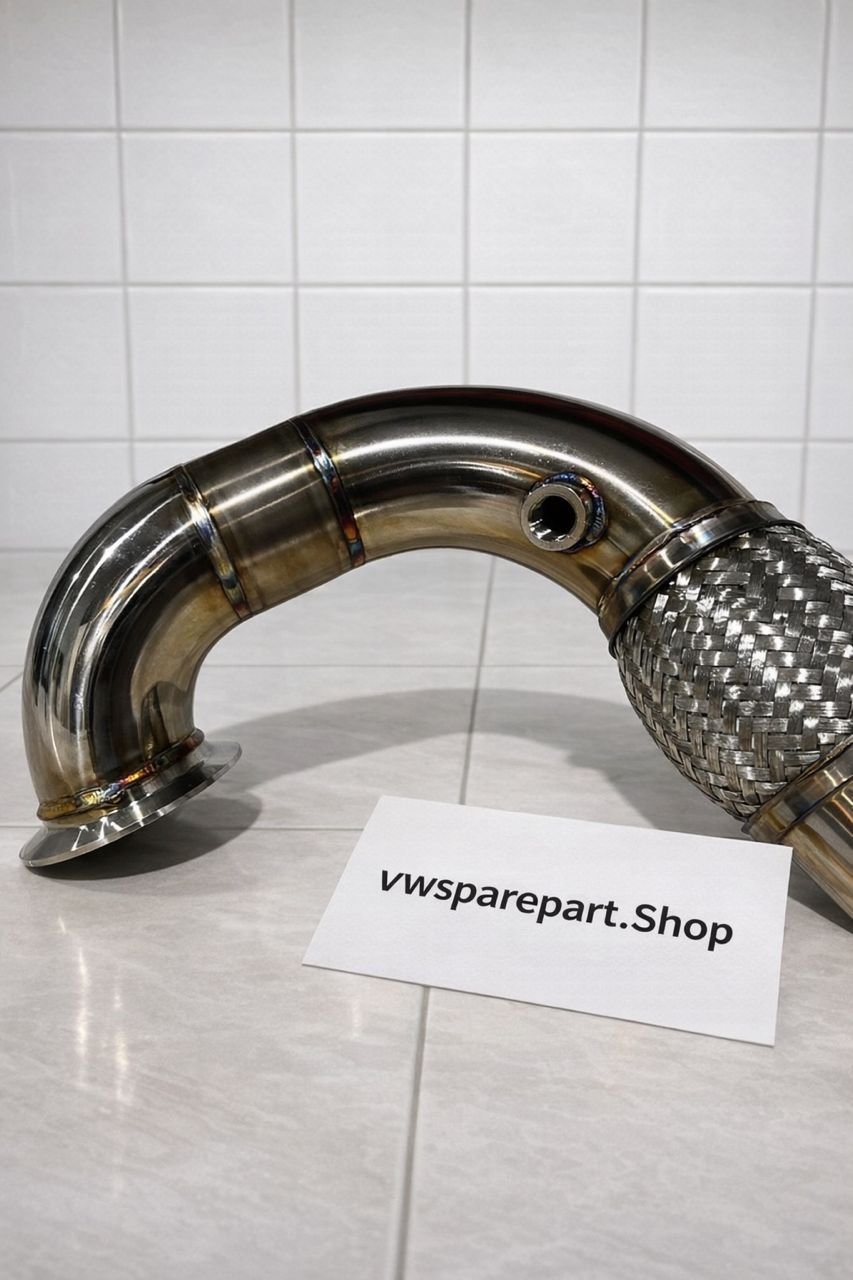
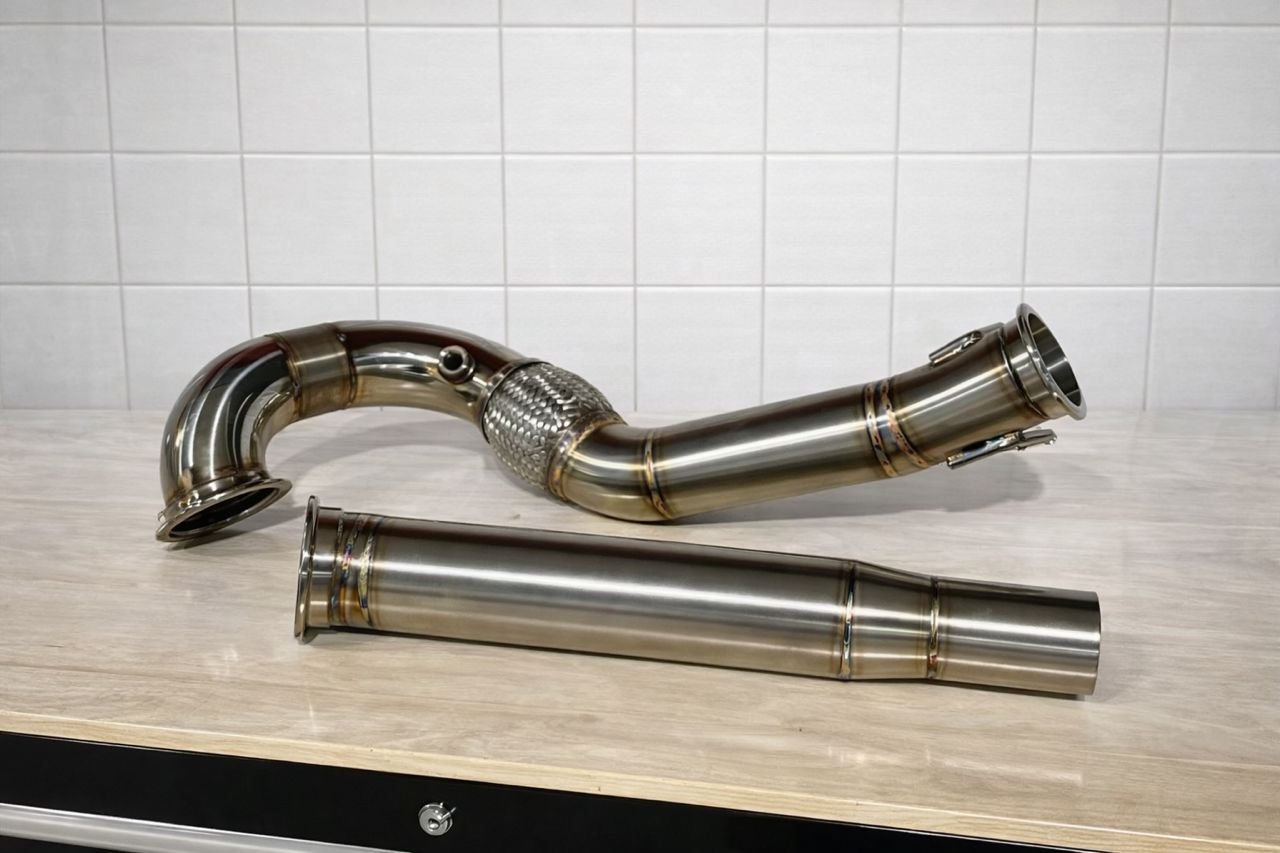
GTI DOWNPIPE – 3 STAINLESS TUBE

€250.00
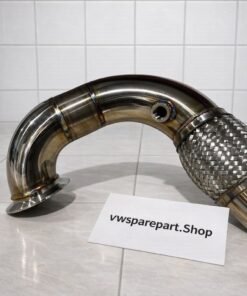
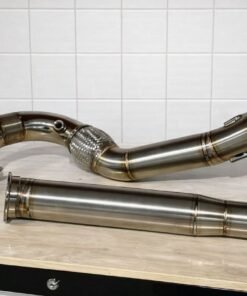
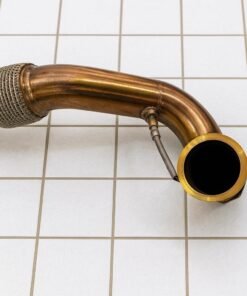
The GTI Downpipe – 3-Inch Stainless Steel Tube is engineered to unlock performance potential that factory exhaust components restrict. Designed for drivers who demand improved throttle response, stronger power delivery, and enhanced exhaust efficiency, this downpipe replaces the restrictive OEM unit with a high-flow, mandrel-bent stainless steel system optimized for turbocharged performance.
GTI Downpipe – 3-Inch Stainless Steel Performance Tube
Exhaust Flow Theory — How a Performance Downpipe Improves Turbo Efficiency
To understand why a downpipe upgrade makes such a noticeable difference in a turbocharged GTI, it helps to look at how exhaust flow affects engine performance. While many upgrades focus on air intake or tuning, exhaust efficiency plays an equally critical role. The GTI Downpipe – 3-Inch Stainless Steel Performance Tube is engineered around this principle, addressing the most restrictive section of the exhaust system gti downpipe 3 stainless tube.
The Role of the Downpipe in a Turbo System
In a turbocharged engine, exhaust gases drive the turbine wheel, which in turn compresses intake air. After spinning the turbine, those exhaust gases must exit the system quickly and smoothly. The downpipe is the first section of exhaust immediately after the turbocharger, making it a key bottleneck if poorly designed.
Factory downpipes are often narrow and heavily restricted. These limitations exist to reduce noise and meet emissions standards. However, they also increase backpressure, which slows exhaust flow.
Reducing this restriction allows the turbo to operate more efficiently.
Backpressure and Its Impact on Performance
Backpressure occurs when exhaust gases cannot escape quickly enough. Excessive backpressure forces the engine to work harder to push gases out of the combustion chamber.
As backpressure increases, turbo efficiency decreases. The turbine requires more energy to spin, which can delay boost response.
By installing a 3-inch stainless steel downpipe, backpressure is significantly reduced. Consequently, exhaust gases flow more freely, and the turbo reaches target boost sooner.
Turbo Spool and Throttle Response
One of the most immediate benefits of a high-flow downpipe is improved turbo spool. With less resistance after the turbine, the turbocharger accelerates more quickly.
Drivers often notice sharper throttle response, particularly at lower RPMs. This improvement makes the GTI feel more eager and responsive during everyday driving.
Rather than waiting for boost, power delivery feels more immediate.
Power Gains Across the RPM Range
While peak horsepower gains matter, usable power is equally important. A performance downpipe improves flow throughout the RPM range, not just at the top end.
Mid-range torque becomes more accessible. Acceleration feels smoother and more consistent.
As a result, the GTI feels stronger in real-world driving conditions.
Heat Management and Exhaust Efficiency
Restricted exhaust systems trap heat near the turbocharger. Excessive heat can affect performance and component longevity.
A stainless steel downpipe helps manage heat by allowing gases to exit more efficiently. Lower backpressure reduces thermal stress on the turbo.
Improved heat management supports reliability.
The Importance of Diameter
The 3-inch diameter is chosen to balance flow and drivability. Larger diameters support increased exhaust volume without introducing turbulence.
While smaller pipes can restrict flow, overly large systems may reduce exhaust velocity. A 3-inch downpipe strikes an optimal balance for GTI applications.
This sizing supports both stock and modified setups.
Mandrel Bends and Flow Consistency
Flow efficiency depends not only on diameter but also on bend quality. Mandrel bending ensures the internal diameter remains constant through curves.
Unlike crush-bent pipes, mandrel-bent sections do not introduce pinch points. As a result, exhaust flow remains smooth and uninterrupted.
This consistency translates into reliable performance gains.
Supporting ECU Tuning
A performance downpipe often pairs well with ECU tuning. Reduced exhaust restriction allows the engine to take advantage of increased boost and optimized fueling.
While the downpipe delivers gains on its own, tuning can unlock its full potential.
This synergy appeals to enthusiasts planning future upgrades.
Why the Downpipe Is a Foundational Upgrade
Many performance builds begin with the downpipe because it improves efficiency at the source. Instead of adding power through forced changes, it removes a major restriction.
The GTI Downpipe – 3-Inch Stainless Steel Performance Tube exemplifies this philosophy.
By improving exhaust flow, it enhances how the entire system works together.
Stainless Steel Materials, Welding Quality, and Heat Resistance
Exhaust components operate in one of the harshest environments on a vehicle. Extreme heat, constant vibration, and exposure to moisture demand materials that can withstand long-term stress. The GTI Downpipe – 3-Inch Stainless Steel Performance Tube is engineered with these challenges in mind, using high-grade stainless steel and precision fabrication techniques to deliver both performance and durability.
Understanding material quality explains why this downpipe performs reliably over time.
Why Stainless Steel Is the Preferred Choice
Stainless steel is widely regarded as the ideal material for performance exhaust systems. Unlike mild steel, stainless steel resists corrosion caused by moisture, road salt, and condensation inside the exhaust.
Because corrosion is minimized, structural integrity is maintained over time. This ensures the downpipe continues to perform as intended even after years of use.
Durability supports consistent results.
Heat Resistance Under Turbocharged Conditions
Turbocharged engines generate significant heat, particularly near the turbo outlet. Exhaust temperatures can rise quickly under boost.
Stainless steel maintains strength at high temperatures, reducing the risk of warping or cracking. As a result, the downpipe retains its shape and fitment under repeated heat cycles.
This stability protects both performance and reliability.
Maintaining Exhaust Flow Integrity
As materials degrade, internal surfaces can roughen, disrupting exhaust flow. Stainless steel retains a smoother internal surface compared to lesser materials.
Because of this, exhaust gases continue to flow efficiently. Performance gains are preserved rather than diminished.
Flow integrity matters over the long term.
Welding Quality and Structural Strength
Welding plays a critical role in exhaust durability. Poor welds can crack under vibration or heat stress.
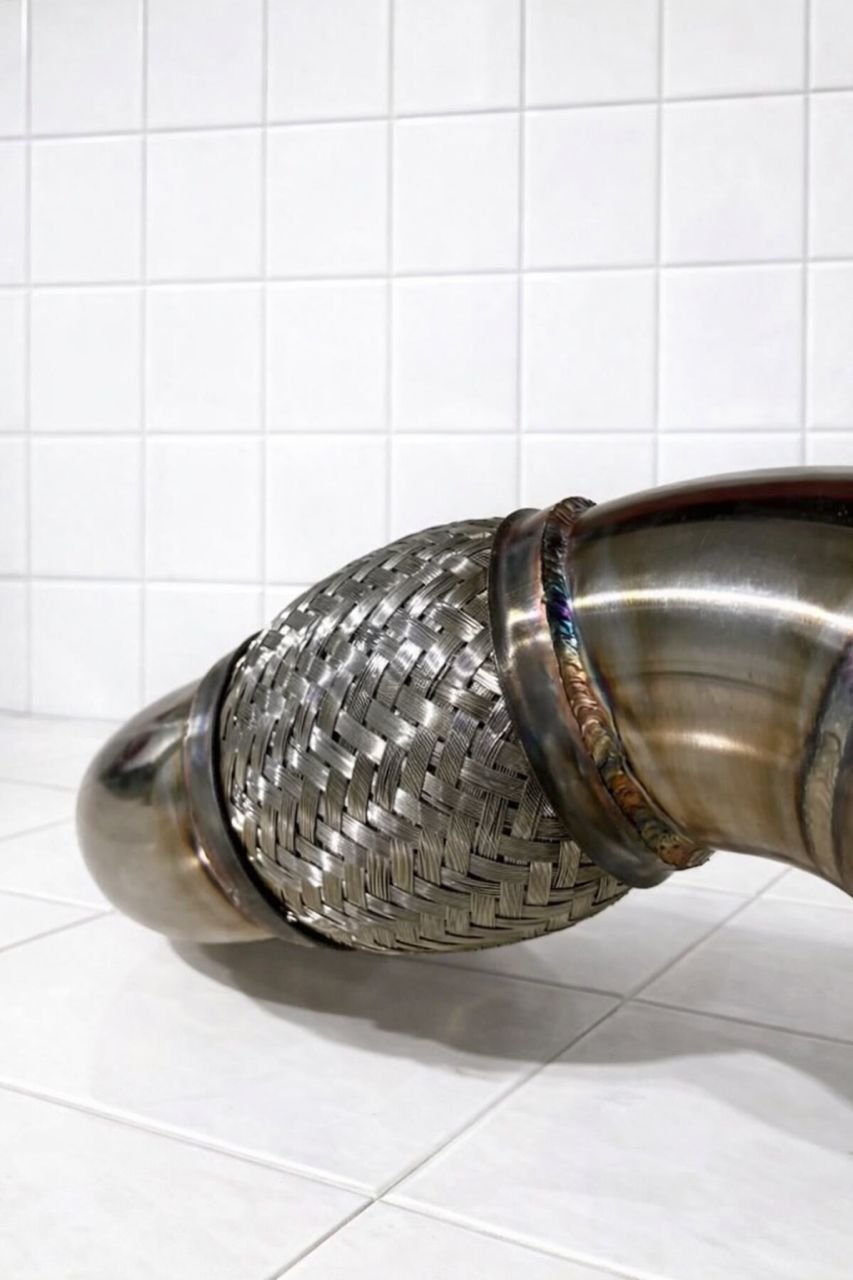
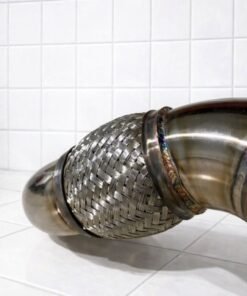
The GTI downpipe features precision welds designed to withstand constant expansion and contraction. Weld points are reinforced to maintain alignment and prevent leaks.
Strong welds support consistent exhaust performance.
Preventing Exhaust Leaks
Exhaust leaks not only reduce performance but can also trigger error codes or unwanted noise.
Proper welding and flange construction minimize the risk of leaks. Flanges remain flat, ensuring a secure seal against adjoining components.
A proper seal preserves both power and sound quality.
Mandrel-Bent Tubing for Consistent Strength
Mandrel bending preserves wall thickness throughout the pipe. This consistency prevents weak points that could fail under stress.
Unlike crush-bent sections, mandrel bends maintain uniform strength and flow.
This fabrication method supports both performance and longevity.
Resistance to Fatigue and Vibration
Performance driving introduces increased vibration. Exhaust components must withstand constant movement without fatigue failure.
Stainless steel’s flexibility allows it to absorb vibration rather than crack. Combined with proper mounting points, this reduces stress on the system.
Fatigue resistance improves reliability.
Environmental Exposure and Longevity
Exhaust systems are exposed to water, dirt, and road debris. Stainless steel resists oxidation and surface damage.
As a result, the downpipe maintains a clean appearance and functional integrity over time.
This resilience enhances value.
Supporting Aggressive Driving and Daily Use
Whether driven daily or pushed hard on spirited runs, the downpipe must perform consistently.
Stainless steel construction ensures it handles both conditions without compromise.
Versatility matters for enthusiasts.
Why Material Quality Impacts Performance
Performance gains are only meaningful if they last. Inferior materials may deliver short-term improvements but fail prematurely.
The GTI Downpipe – 3-Inch Stainless Steel Performance Tube is built to deliver lasting performance through quality materials and construction.
An Investment in Reliability
Choosing a stainless steel downpipe is an investment in reliability as much as performance.
By prioritizing material integrity, this downpipe ensures that performance gains remain consistent for the life of the component.
Sound Characteristics, Exhaust Tone, and Daily Drivability
While performance gains often drive downpipe upgrades, sound and drivability play an equally important role in long-term satisfaction. The GTI Downpipe – 3-Inch Stainless Steel Performance Tube is designed to enhance exhaust tone without sacrificing daily usability. Instead of creating excessive noise, it refines the sound profile while supporting smoother power delivery.
This section explores how the downpipe affects sound and what drivers can expect in real-world use.
How a Downpipe Changes Exhaust Sound
The downpipe sits closest to the turbocharger, which means changes here have a noticeable impact on exhaust tone. Factory downpipes restrict sound as much as they restrict flow.
By increasing diameter and reducing restriction, a performance downpipe allows exhaust pulses to travel more freely. As a result, the sound becomes deeper and more pronounced.
Tone changes are immediate and noticeable.
Deeper, More Aggressive Tone
A 3-inch stainless steel downpipe typically produces a deeper exhaust note compared to stock. Low-frequency tones are enhanced, giving the GTI a sportier character.
Acceleration sounds fuller, while deceleration produces a sharper edge. This change adds excitement without requiring a full exhaust replacement.
The result feels purposeful rather than excessive.
Turbo Sounds and Character
Improved exhaust flow also affects turbo sounds. With reduced restriction, turbo spool and blow-off noises may become more audible.
Some drivers notice a clearer turbo whistle or sharper release when lifting off the throttle.
These sounds emphasize the turbocharged nature of the GTI.
Balancing Sound and Comfort
One concern among daily drivers is excessive noise or drone. The downpipe itself does not create drone; rather, drone depends on the rest of the exhaust system.
When paired with a quality cat-back system or factory exhaust, sound remains controlled at cruising speeds.
This balance allows drivers to enjoy improved sound without fatigue.
Cold Starts and Idle Behavior
Cold starts may be louder due to increased exhaust flow. However, sound levels typically settle once the engine warms.
At idle, the exhaust note remains smooth rather than raspy. Stainless steel construction helps maintain a refined tone.
Idle behavior stays civilized gti downpipe 3 stainless tube.
Highway Driving and Cabin Noise
At highway speeds, exhaust tone becomes less intrusive. With proper exhaust pairing, cabin noise remains manageable.
Because the downpipe improves flow rather than amplifying sound artificially, noise does not spike unexpectedly.
Long drives remain comfortable gti downpipe 3 stainless tube.
Sound Evolution With Other Modifications
The downpipe acts as a foundation for future exhaust upgrades gti downpipe 3 stainless tube. Adding a cat-back system, resonator gti downpipe 3 stainless tube, or muffler will further shape the sound.
Because the downpipe provides consistent flow, these additions integrate smoothly gti downpipe 3 stainless tube.
Flexibility supports customization gti downpipe 3 stainless tube.
Impact on Driving Feel
Improved exhaust flow enhances throttle response. This improvement affects driving feel as much as sound.
Acceleration feels more immediate. Gear changes feel crisper gti downpipe 3 stainless tube.
These subtle changes improve engagement gti downpipe 3 stainless tube.
Everyday Usability Matters
A performance upgrade should enhance daily driving rather than detract from it. The GTI downpipe achieves this by delivering noticeable gains without overwhelming noise.
This balance appeals to enthusiasts who drive their cars regularly.
Choosing the Right Exhaust Pairing
Sound characteristics depend on system pairing. For a refined setup, pairing the downpipe with a resonated exhaust is recommended.
This combination maintains performance gains while controlling volume.
Personal preference guides selection.
Sound as Part of the Performance Experience
Sound is an emotional aspect of driving. The GTI Downpipe – 3-Inch Stainless Steel Performance Tube enhances this experience by adding depth and character without sacrificing comfort.
It transforms the GTI’s voice into one that reflects its performance potential.
Fitment, Installation Process, and Compatibility
A performance upgrade is only as effective as its fitment. The GTI Downpipe – 3-Inch Stainless Steel Performance Tube is engineered to integrate seamlessly with the vehicle, ensuring that improved exhaust flow does not come at the cost of installation headaches or long-term issues. Precision fitment, proper alignment, and compatibility with factory components all play a critical role in delivering reliable performance.
This section outlines what to expect during installation and how the downpipe fits into different setups.
Vehicle Compatibility and Platform Focus
This downpipe is designed specifically for VW GTI platforms that use turbocharged exhaust layouts. The geometry, flange placement, and mounting points are aligned with factory specifications.
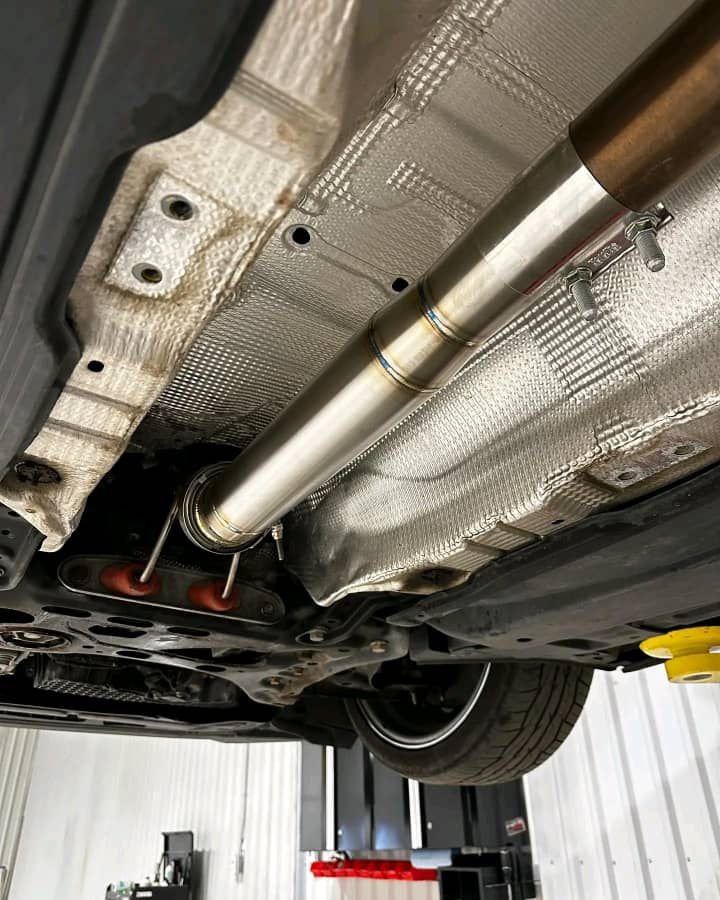
Because of this precision, the downpipe bolts directly to the turbo outlet and mates cleanly with the existing exhaust system.
Platform-specific design minimizes guesswork.
Direct Bolt-On Fitment
A direct bolt-on design simplifies installation. Factory mounting points are retained, and no cutting or welding is required.
This approach allows experienced DIY installers and professional shops to complete the installation efficiently.
Time savings translate to reduced labor costs.
Clearance and Underbody Integration
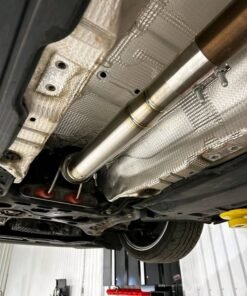
Proper clearance is essential for preventing vibration and contact with surrounding components. The downpipe is shaped to follow factory routing, maintaining safe distances from heat shields, subframes, and drivetrain parts.
This clearance prevents rattles and long-term wear.
Underbody integration remains clean.
Flanges and Connection Points
Flange quality affects sealing and alignment. Precision-machined flanges ensure a flat mating surface, reducing the risk of exhaust leaks.
When tightened correctly, connections remain secure under heat cycling and vibration.
A reliable seal preserves performance.
Oxygen Sensor Placement
Modern GTI platforms rely on oxygen sensors for engine management. The downpipe includes provisions for proper sensor placement gti downpipe 3 stainless tube.
Sensor bungs are positioned to maintain accurate readings. This supports proper engine operation and tuning.
Correct placement reduces potential errors gti downpipe 3 stainless tube.
Installation Time and Skill Level
Installation time varies based on experience and tools. For professionals, the process is straightforward. For experienced enthusiasts gti downpipe 3 stainless tube, the job can be completed with basic tools and a lift or jack stands.
However, working near the turbocharger requires caution due to heat exposure gti downpipe 3 stainless tube.
Preparation improves safety gti downpipe 3 stainless tube.
Gaskets and Hardware Considerations
Reusing factory gaskets may be possible, but new gaskets are often recommended to ensure a proper seal.
Quality hardware helps prevent loosening over time.
Attention to detail during installation pays dividends.
Compatibility With Stock and Aftermarket Exhausts
The downpipe is designed to work with factory exhaust systems as well as many aftermarket cat-back setups.
This compatibility allows drivers to upgrade in stages rather than replacing everything at once.
Flexibility supports customization.
ECU Tuning Considerations
While the downpipe can be installed without tuning, ECU calibration may be recommended to optimize performance and avoid warning lights.
Proper tuning ensures the engine takes full advantage of improved exhaust flow gti downpipe 3 stainless tube.
This step maximizes gains gti downpipe 3 stainless tube.
Emissions and Regional Compliance
Emissions regulations vary by region. Some downpipes are intended for off-road or track use only.
It is important to verify local laws before installation gti downpipe 3 stainless tube.
Compliance matters.
A Straightforward Upgrade Path
The GTI Downpipe – 3-Inch Stainless Steel Performance Tube is designed to make performance upgrades accessible without unnecessary complexity.
With proper fitment and installation, it delivers reliable gains while integrating smoothly into the GTI platform.
Long-Term Reliability, Maintenance, and Ownership Experience
Performance upgrades should not feel temporary. While short-term gains are exciting, long-term reliability ultimately determines whether an upgrade was worthwhile. The GTI Downpipe – 3-Inch Stainless Steel Performance Tube is designed to deliver consistent performance over years of use, not just immediate results. From daily commuting to spirited driving, this downpipe supports ownership without added stress.
This section explores what owners can expect over time.
Built for Repeated Heat Cycles tiguan volkswagen vw
Turbocharged engines generate extreme heat, especially near the turbo outlet. Exhaust components expand and contract repeatedly during normal driving.
The stainless steel construction of this downpipe is selected to withstand these cycles without deforming. Because thermal stability is maintained, fitment remains consistent.
As a result, performance does not degrade due to material fatigue.
Resistance to Cracking and Warping
Inferior exhaust components may crack or warp under stress. These failures often occur at weld points or tight bends.
This downpipe uses reinforced welds and mandrel-bent tubing to reduce stress concentrations. Consequently, structural integrity is preserved even under aggressive use gti downpipe 3 stainless tube.
Durability supports peace of mind gti downpipe 3 stainless tube.
Maintaining Exhaust Seals Over Time
Exhaust leaks often develop as components settle or hardware loosens. Precision flanges and consistent wall thickness help maintain a proper seal gti downpipe 3 stainless tube.
When installed correctly, the downpipe maintains tight connections despite vibration gti downpipe 3 stainless tube.
This stability protects both sound quality and performance gti downpipe 3 stainless tube.
Minimal Maintenance Requirements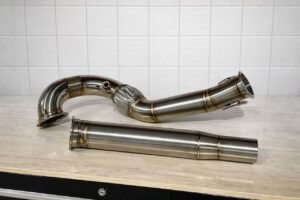
Once installed, the downpipe requires minimal maintenance. There are no moving parts or service intervals to manage.
Periodic visual inspections during routine maintenance are sufficient. Checking for loose hardware or unusual noise helps ensure continued reliability.
Simplicity enhances ownership.
Corrosion Resistance in Real Conditions
Exposure to moisture and road salt accelerates corrosion in exhaust systems. Stainless steel resists oxidation far better than mild steel.
Even in harsh climates, surface corrosion remains minimal. Internal flow surfaces stay smooth.
Longevity adds value.
Supporting Daily Driving
Many GTI owners use their vehicles daily. A performance upgrade must support this reality.
The downpipe does not compromise drivability gti downpipe 3 stainless tube. Cold starts, highway cruising, and stop-and-go traffic remain manageable.
Performance enhancements integrate smoothly into everyday use gti downpipe 3 stainless tube.
Performance That Feels Consistent volkswagen gti
Over time, some upgrades lose their impact as components degrade. A stainless steel downpipe maintains flow characteristics throughout its lifespan gti downpipe 3 stainless tube.
Throttle response and turbo efficiency remain consistent. Drivers continue to feel the benefits long after installation.
Consistency reinforces satisfaction gti downpipe 3 stainless tube.
Compatibility With Future Upgrades
As ownership evolves, additional modifications may be added. This downpipe supports future changes without becoming a limiting factor.
Whether paired with tuning, intercoolers, or upgraded exhaust systems, it remains relevant gti downpipe 3 stainless tube.
Scalability protects investment gti downpipe 3 stainless tube.
Ownership Confidence golf gti
Knowing that a component is built to last changes how it is enjoyed gti downpipe 3 stainless tube. Drivers can push the car without worrying about premature failure gti downpipe 3 stainless tube.
This confidence enhances the driving experience gti downpipe 3 stainless tube.
Value Beyond Performance Numbers
Performance metrics matter, but reliability defines true value. A downpipe that delivers gains while maintaining durability offers more than peak horsepower.
It supports long-term enjoyment.
A Foundation You Can Trust volkswagen
The GTI Downpipe – 3-Inch Stainless Steel Performance Tube is not just an upgrade—it is a foundation for performance ownership.
By prioritizing material quality, fitment, and durability, it delivers gains that last as long as the GTI itself.
Be the first to review “GTI DOWNPIPE – 3 STAINLESS TUBE”
Related products
Exhaust
Exhaust
Exhaust
Exhaust

Exhaust
Exhaust
Reviews
There are no reviews yet.