
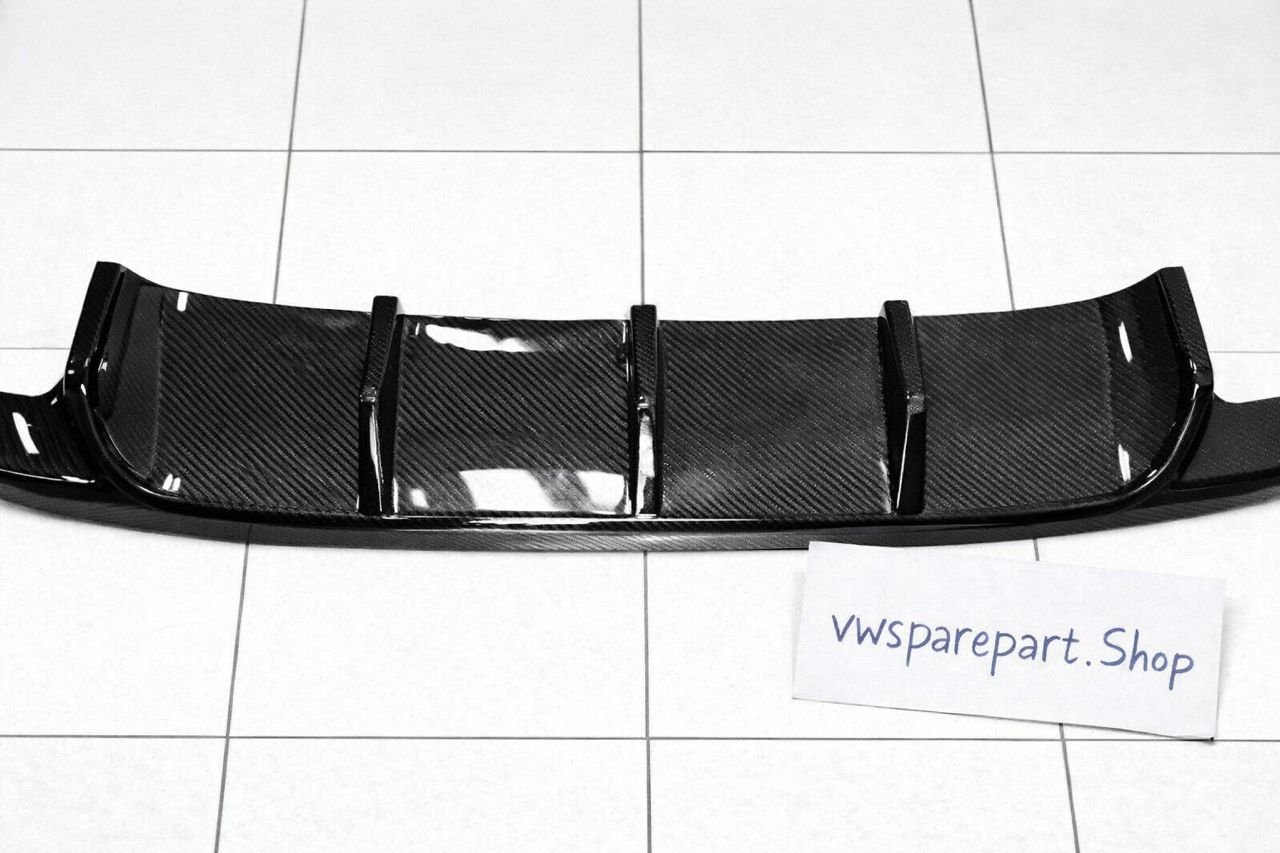
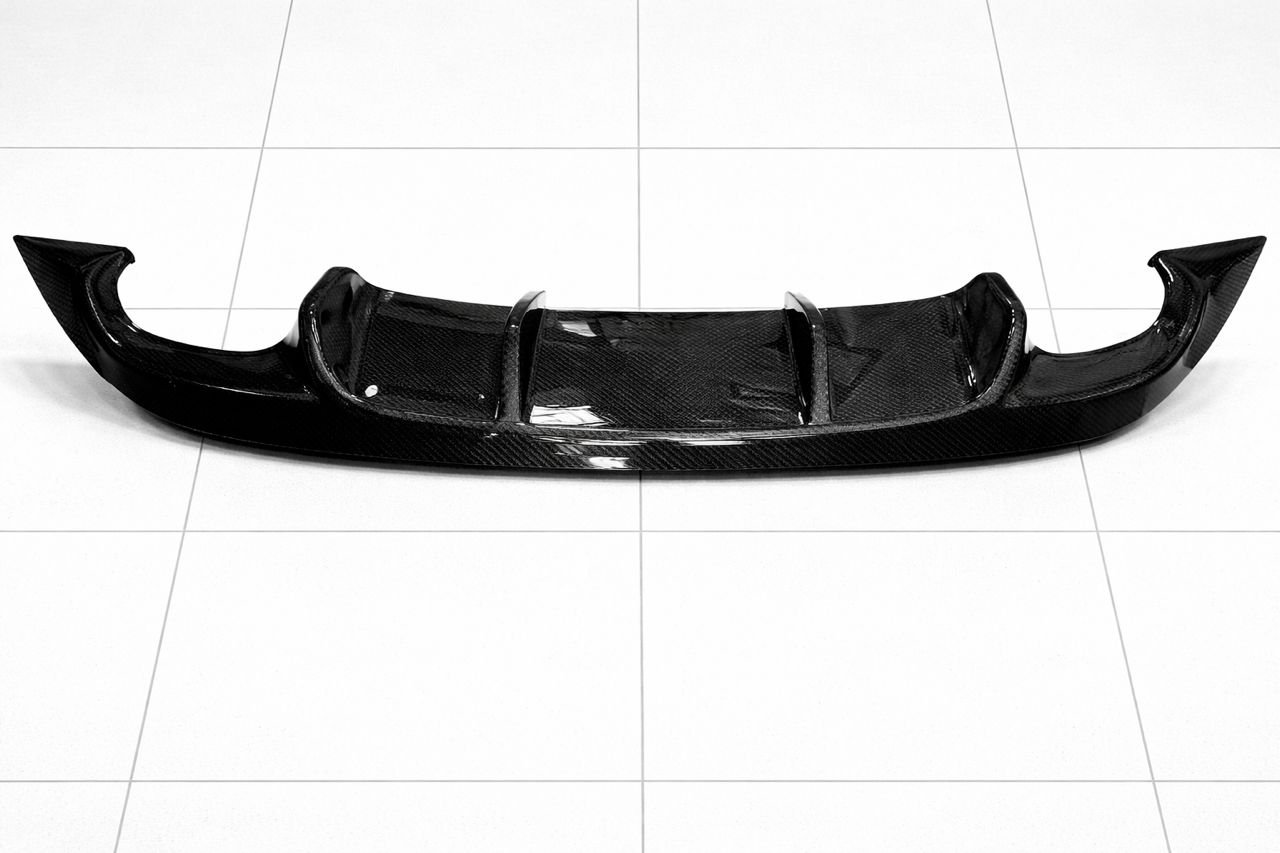
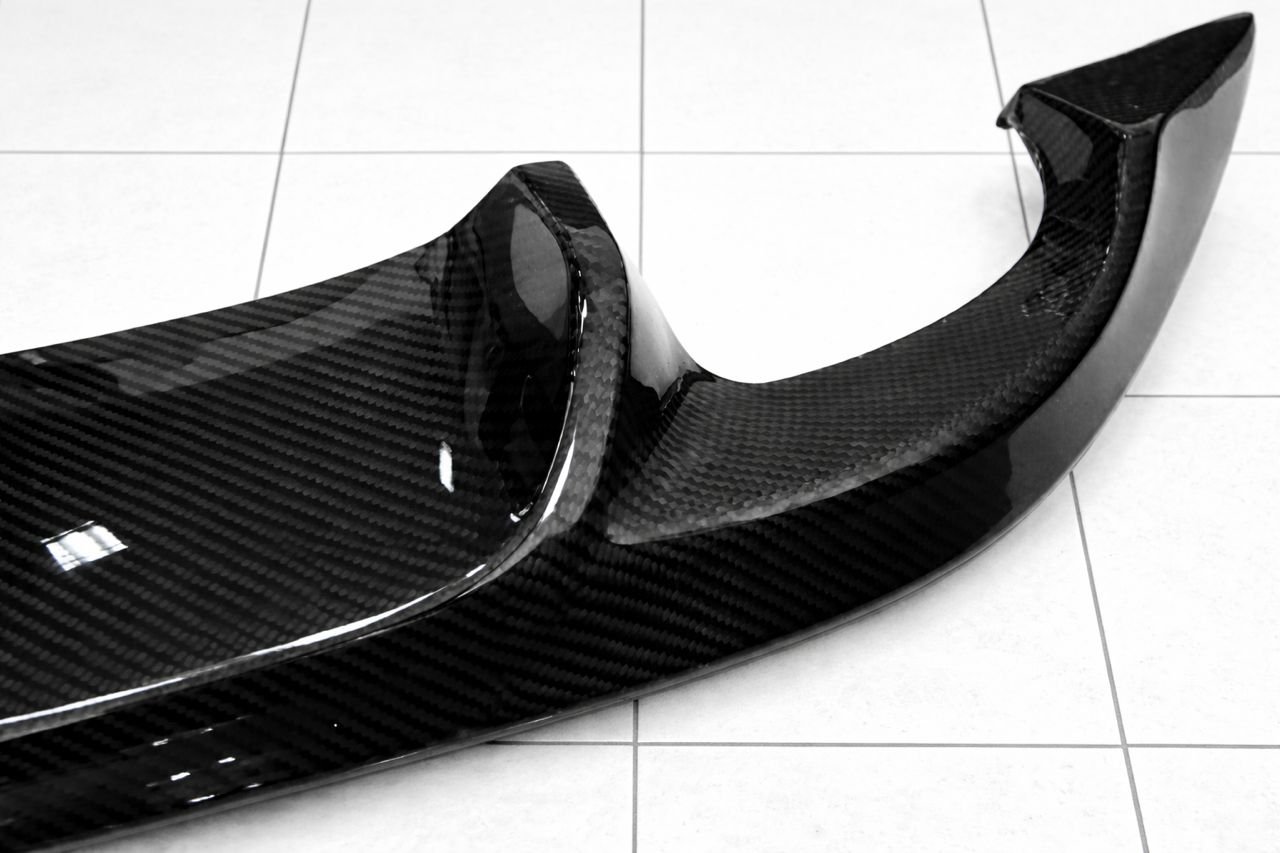
Carbon Fibre Diffuser for VW Golf MK7.5 TSI
€300.00
The Carbon Fibre Diffuser for VW Golf MK7.5 TSI has been developed to deliver a refined balance between performance-driven aerodynamics and premium visual enhancement. Designed specifically for the MK7.5 platform, this diffuser integrates seamlessly with the factory rear bumper while introducing a sharper, more purposeful aesthetic that complements the vehicle’s sporty character.
Description
Carbon Fibre Rear Diffuser for VW Golf MK7.5 TSI – Precision Fit, Enhanced Aerodynamics, Premium Finish
Design Philosophy, Vehicle Integration, and Visual Impact
The Carbon Fibre Diffuser for VW Golf MK7.5 TSI has been developed with a clear design philosophy centered on precision integration, visual enhancement, and functional intent. Rather than existing as a standalone styling add-on, the diffuser has been engineered to work in harmony with the vehicle’s original design language. Every contour, angle, and surface transition has been shaped to complement the MK7.5 platform while elevating its rear-end presence carbon fibre diffuser vw golf mk7.
A core objective of the design process has been cohesion. The Golf MK7.5 TSI features clean, balanced lines that blend everyday usability with understated sportiness. To respect this identity, the diffuser avoids excessive complexity. Instead, it introduces sharper definition in areas where airflow naturally exits the underside of the vehicle. As a result, the rear profile appears more planted and purposeful without feeling overdesigned carbon fibre diffuser vw golf mk7.
Carbon fibre was selected as the primary material because it aligns perfectly with this philosophy. Its visual texture adds depth and contrast carbon fibre diffuser vw golf mk7, yet its appearance remains inherently performance-oriented. Unlike painted plastic alternatives, carbon fibre communicates intent immediately. Consequently, the diffuser enhances the vehicle’s sporting character even when viewed from a distance carbon fibre diffuser vw golf mk7.
Integration with the factory rear bumper has been treated as a critical requirement. The diffuser follows OEM bumper geometry closely carbon fibre diffuser vw golf mk7, ensuring that transitions appear seamless rather than forced. Because the edges and mounting zones align naturally with factory contours, the final installation looks cohesive. This integration prevents the common aftermarket issue where components appear attached rather than designed carbon fibre diffuser vw golf mk7.
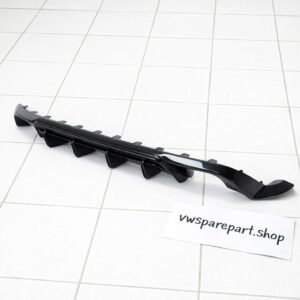
Visual balance is further reinforced through the diffuser fin layout. The fins are spaced and proportioned to add structure without overwhelming the rear design carbon fibre diffuser vw golf mk7. Instead of creating unnecessary visual noise, they guide the eye horizontally and vertically, reinforcing width and stability. As a result, the vehicle appears lower and more aggressive while maintaining elegance carbon fibre diffuser vw golf mk7.
Another important aspect of visual impact is proportion. The diffuser extends just enough to create depth without reducing practicality. Ground clearance remains usable, which ensures that the enhancement does not compromise everyday driving. This measured approach allows the diffuser to function as a daily-driven upgrade rather than a purely aesthetic statement carbon fibre diffuser vw golf mk7.
The carbon fibre weave pattern also contributes to visual refinement. High-quality weave alignment ensures consistency across the surface, which enhances perceived quality. When light interacts with the clear-coated finish, subtle reflections highlight the contours of the diffuser. Therefore, the component maintains interest under varying lighting conditions without appearing flashy.
The diffuser has been designed to complement multiple trim levels and exterior colors. Carbon fibre’s neutral yet premium appearance pairs well with both light and dark paint finishes. This versatility ensures that the upgrade remains visually cohesive regardless of vehicle specification. As a result, owners are not restricted to specific color schemes or themes.
Design decisions have also accounted for exhaust integration. The diffuser’s shape accommodates factory exhaust configurations while remaining compatible with common aftermarket systems. This consideration prevents visual conflict between components and supports future modifications. Consequently, the diffuser remains relevant as the vehicle evolves.
From a styling perspective, the diffuser reinforces the vehicle’s performance cues. Rear-end design often defines how a car is perceived dynamically. By adding definition and structure, the diffuser communicates motion and intent even when the vehicle is stationary. This effect enhances overall presence without relying on exaggerated elements.
The design philosophy extends beyond aesthetics into perceived build quality. Clean edges, consistent curvature, and precise fitment all contribute to a premium feel. These details influence how the product is perceived both during installation and in long-term ownership. Therefore, the diffuser feels like a considered upgrade rather than an impulsive accessory.
Another differentiating factor is restraint. Many aftermarket diffusers rely on extreme shapes or oversized fins to stand out. In contrast, this design emphasizes proportion and harmony. This restraint ensures that the diffuser remains visually appealing over time rather than becoming dated. As trends shift, balanced design retains relevance longer.
The carbon fibre diffuser also enhances the visual connection between the vehicle’s lower elements. Side skirts, wheels, and rear bumper all contribute to stance perception. By anchoring the rear visually, the diffuser helps unify these elements. As a result, the entire vehicle appears more cohesive and grounded.
From a practical design standpoint, the diffuser avoids unnecessary protrusions. This approach minimizes risk during parking and everyday driving. Owners benefit from enhanced appearance without increased anxiety over clearance. Consequently, usability and aesthetics coexist effectively.
The design philosophy also reflects attention to ownership experience. A component that looks integrated and refined enhances pride of ownership. Each time the vehicle is approached or viewed from behind, the diffuser reinforces the sense of customization and quality. Over time, this satisfaction becomes a meaningful part of the upgrade.
As Section 1 concludes, the role of thoughtful design in differentiating the Carbon Fibre Diffuser for VW Golf MK7.5 TSI becomes clear. Through balanced styling, precise integration, and material choice, the diffuser enhances the vehicle’s appearance while respecting its original identity. In the next section, attention will shift toward material construction and carbon fibre manufacturing processes, examining how structural quality supports both aesthetics and durability.
Carbon Fibre Construction, Material Quality, and Manufacturing Precision carbon fibre diffuser mk7 wv
The Carbon Fibre Diffuser for VW Golf MK7.5 TSI derives much of its value from the quality of materials used and the precision of its manufacturing process. While visual appeal is immediately noticeable, long-term satisfaction depends on structural integrity, surface finish, and resistance to real-world conditions. For this reason, material selection and production standards have been treated as central components of the diffuser’s overall design rather than secondary considerations.
Carbon fibre has been chosen specifically for its strength-to-weight efficiency. Compared to traditional plastics or metals, carbon fibre offers exceptional rigidity while remaining lightweight. This combination allows the diffuser to maintain its shape and alignment over time without adding unnecessary mass to the rear of the vehicle. As a result, the component supports performance-oriented goals while remaining suitable for daily use.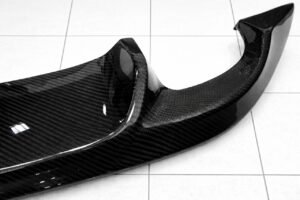
The manufacturing process begins with carefully layered carbon fibre sheets. These layers are oriented strategically to ensure structural strength in key stress areas. Instead of relying on random layering, fibre direction is controlled to enhance durability. Consequently, the diffuser resists flexing and deformation under aerodynamic load and environmental stress.
Resin infusion and curing are performed under controlled conditions. This step is critical, because inconsistent curing can lead to weak points, surface imperfections, or long-term degradation. By maintaining precise temperature and pressure during curing, the carbon fibre structure achieves uniform density and strength. Therefore, the finished product delivers consistent quality across the entire surface.
Surface finish is another defining element. A high-quality clear coat is applied to protect the carbon fibre weave from UV exposure, moisture, and minor abrasions. This protective layer not only preserves structural integrity but also enhances visual depth. As light reflects across the surface, the weave remains crisp and defined rather than dull or uneven.
Attention to weave alignment further distinguishes the diffuser. Symmetry and consistency across the panel contribute significantly to perceived quality. When weave patterns flow smoothly without distortion, the component appears refined and intentional. This detail matters, because inconsistencies are easily noticeable on carbon fibre parts.
Edge finishing has also been refined to ensure clean transitions. Rough edges or uneven trims can detract from both aesthetics and safety. To avoid these issues, edges are smoothed and reinforced during production. As a result, the diffuser feels solid and well-finished during handling and installation.
The manufacturing process also prioritizes dimensional accuracy. Carbon fibre components can vary slightly if molds are not precise. To mitigate this risk, production molds are designed to match OEM bumper contours closely. This precision ensures consistent fitment across units. Therefore, installers can expect predictable alignment without modification.
Another important aspect of material quality is heat resistance. The rear diffuser is exposed to heat from exhaust components and road surfaces. Carbon fibre’s thermal stability makes it well-suited for this environment. Consequently, the diffuser maintains structural integrity even under prolonged exposure to elevated temperatures.
Environmental durability is equally important. Road debris, moisture, and temperature fluctuations all affect exterior components. Carbon fibre’s resistance to corrosion provides an advantage over metal alternatives. As a result, the diffuser remains visually appealing and structurally sound over time with proper care.
Weight efficiency also contributes to the overall driving experience. While the diffuser’s primary role is aerodynamic and aesthetic, minimizing added weight supports balanced handling. By avoiding unnecessary mass at the rear, the vehicle’s dynamics remain closer to factory intent. This subtle benefit aligns with enthusiast expectations.
Manufacturing precision extends to mounting areas. Reinforced mounting points ensure that the diffuser remains securely attached without stress fractures. This reinforcement reduces the risk of loosening or damage over time. Consequently, long-term reliability is improved.
Another benefit of high-quality carbon fibre construction is vibration resistance. Inferior materials can resonate or flex at speed, creating noise or discomfort. By maintaining rigidity, the diffuser avoids these issues. Therefore, the upgrade enhances appearance without introducing unwanted side effects carbon fibre diffuser vw golf mk7.
From an ownership perspective, material quality influences maintenance requirements. A properly finished carbon fibre surface is easier to clean and maintain than porous plastics. Routine care helps preserve appearance without specialized treatment. This practicality supports long-term satisfaction.
The production process also reflects consistency standards. Each diffuser is manufactured to the same specifications, reducing variation between units. This consistency supports confidence during purchase and installation. Over time, predictable quality strengthens trust in the product carbon fibre diffuser vw golf mk7.
In the broader context of aftermarket upgrades, material quality often separates premium components from short-term solutions. By investing in carbon fibre construction and controlled manufacturing, the diffuser delivers value beyond initial appearance. This investment pays dividends in durability and refinement carbon fibre diffuser vw golf mk7.
As Section 2 concludes, it becomes clear that construction quality underpins every other benefit of the Carbon Fibre Diffuser for VW Golf MK7.5 TSI. Material selection, weave precision, and manufacturing discipline ensure that the diffuser performs reliably while maintaining its premium appearance. In the next section, focus will shift toward aerodynamic function and airflow management, examining how design and material choices translate into functional performance benefits carbon fibre diffuser vw golf mk7.
Quality Assurance, Fitment Accuracy, and Long-Term Reliability carbon fibre diffuser golf mk7 tsi
The Carbon Fibre Diffuser for VW Golf MK7.5 TSI has been engineered with a strong emphasis on quality assurance and dimensional accuracy, recognizing that premium materials alone do not guarantee a premium result. In the aftermarket automotive space, long-term satisfaction is determined by how reliably a component fits, performs, and endures real-world conditions. For this reason, quality control has been integrated into every stage of development and production carbon fibre diffuser vw golf mk7.
Fitment accuracy is a primary focus. A rear diffuser must align precisely with the factory bumper to avoid gaps, misalignment, or tension at mounting points. To achieve this, measurements are taken directly from the MK7.5 TSI rear bumper geometry carbon fibre diffuser vw golf mk7, and production molds are refined to mirror OEM tolerances. As a result, the diffuser integrates cleanly without the need for trimming, drilling, or forced adjustment.
Consistency across units is also critical. Even small dimensional variations can cause installation difficulties or visual imperfections. Therefore, each diffuser is checked against defined tolerances before leaving production. This verification process ensures that customers receive a component that performs as expected, regardless of production batch carbon fibre diffuser vw golf mk7.
Mounting point reinforcement plays a key role in long-term reliability. Carbon fibre, while strong, can be stressed if mounting zones are not properly engineered. To prevent this issue, load-bearing areas are reinforced during manufacturing. Consequently, stress is distributed evenly rather than concentrated at a single point. This approach reduces the risk of cracking or loosening over time carbon fibre diffuser vw golf mk7.
Installation confidence is another outcome of quality assurance. When a diffuser fits as intended, installation becomes straightforward and predictable. This reliability benefits both professional installers and experienced enthusiasts carbon fibre diffuser vw golf mk7. As a result, the upgrade process feels controlled rather than uncertain carbon fibre diffuser vw golf mk7.
Vibration resistance has also been evaluated. Rear diffusers are exposed to airflow, road vibration, and exhaust resonance. If these forces are not accounted for, unwanted noise or movement can occur. Through structural reinforcement and precise fitment, the diffuser remains stable at speed. Therefore, driving comfort is preserved carbon fibre diffuser vw golf mk7.
Long-term exposure testing further informs reliability. Carbon fibre components must withstand temperature changes, moisture, and road debris. By validating materials and finishes against these conditions, the diffuser is prepared for daily driving environments. Consequently, cosmetic degradation and structural fatigue are minimized carbon fibre diffuser vw golf mk7.
Another important consideration is compatibility with factory and aftermarket exhaust systems. Misalignment in this area can compromise both appearance and safety. The diffuser’s design maintains appropriate clearance and spacing to accommodate common configurations. This foresight ensures that future modifications do not require replacement or adjustment of the diffuse carbon fibre diffuser vw golf mk7r.
Quality assurance also extends to visual inspection carbon fibre diffuser vw golf mk7. Surface consistency, weave alignment, and clear coat uniformity are evaluated to maintain a premium appearance carbon fibre diffuser vw golf mk7. These visual checks ensure that the diffuser meets aesthetic expectations as well as functional requirements carbon fibre diffuser vw golf mk7.
From an ownership perspective, reliability influences perceived value. A component that remains secure, aligned, and visually appealing over time reinforces confidence in the upgrade decision. This confidence contributes to overall satisfaction and long-term appreciation of the vehicle carbon fibre diffuser vw golf mk7.
The diffuser’s durability also reduces maintenance concerns. When materials and fitment are correct, fewer adjustments are required after installation. This stability supports a “fit and forget” ownership experience, which aligns with expectations for premium exterior upgrades carbon fibre diffuser vw golf mk7.
Another benefit of strict quality control is reduced installation risk. Components that fit correctly place less stress on surrounding bumper elements. This protection helps preserve factory parts and reduces the likelihood of secondary damage. Therefore, the upgrade remains reversible and non-invasive.
The emphasis on quality assurance reflects a broader design philosophy. Rather than prioritizing speed to market, the diffuser prioritizes refinement and reliability. This approach ensures that the component remains relevant and desirable over time rather than becoming a short-lived modification.
In the context of resale value, quality fitment matters significantly. Clean integration and preserved factory lines enhance the vehicle’s appearance without signaling poor modification practices. As a result, the diffuser adds appeal rather than limiting future options.
Consistency in quality also supports brand trust. When customers receive a product that meets expectations consistently, confidence grows. Over time, this trust becomes a key differentiator in a competitive market.
As Section 2 concludes, it becomes clear that quality assurance and fitment precision are essential to the value of the Carbon Fibre Diffuser for VW Golf MK7.5 TSI. Through controlled manufacturing, reinforced mounting, and rigorous inspection, the diffuser delivers reliability that matches its visual appeal. In the next section, attention will shift toward aerodynamic principles and airflow behavior, examining how design and placement contribute to functional performance benefits.
Aerodynamic Function, Airflow Management, and Performance Influence carbon fibre diffuser golf mk7
The Carbon Fibre Diffuser for VW Golf MK7.5 TSI is not designed purely as a cosmetic enhancement; it incorporates aerodynamic principles intended to influence how air behaves at the rear of the vehicle. While everyday road driving does not demand extreme aerodynamic devices, thoughtful airflow management can still contribute to stability, efficiency, and a more performance-oriented driving feel. For this reason, aerodynamic function has been integrated deliberately rather than symbolically.
A rear diffuser operates by managing the airflow exiting from beneath the vehicle. As air travels under the car, turbulence naturally forms when it meets the open rear area. Without control, this turbulence increases drag and disrupts airflow stability wv. The diffuser addresses this issue by guiding air upward and outward in a controlled manner. Consequently, airflow separation is reduced, and rear-end stability is supported.
The diffuser fins play a central role in this process. Their vertical orientation helps channel airflow into defined paths rather than allowing it to scatter unpredictably. This organization reduces chaotic pressure zones behind the vehicle. As a result, airflow exits more smoothly, which can contribute to a more planted feel at speed carbon fibre diffuser vw golf mk7.
Another aerodynamic benefit comes from pressure management. By encouraging a gradual expansion of airflow as it leaves the underside of the car, the diffuser helps reduce low-pressure wake zones. This reduction can improve overall airflow efficiency carbon fibre diffuser vw golf mk7. While the effect is subtle in daily driving, it aligns with the vehicle’s sporty engineering and enhances performance credibility carbon fibre diffuser vw golf mk7.
The shape and angle of the diffuser have been calibrated carefully. Excessively aggressive angles can disrupt airflow rather than improve it carbon fibre diffuser vw golf mk7. To avoid this issue, the diffuser maintains a moderate rake that supports controlled air expansion. This balance ensures that aerodynamic benefits are achieved without introducing instability carbon fibre diffuser vw golf mk7.
Carbon fibre construction further supports aerodynamic performance. Because the material allows for precise shaping and rigidity, the diffuser maintains its form under airflow pressure. Unlike flexible plastic components that can deform at speed, carbon fibre retains its geometry. Therefore, airflow behavior remains consistent rather than variable carbon fibre diffuser vw golf mk7.
The diffuser’s placement relative to the rear bumper is also significant. Proper alignment ensures that airflow from the underbody transitions smoothly into the diffuser channels. Misalignment could create turbulence or drag. By matching OEM bumper contours, the diffuser preserves airflow continuity.
Another important factor is exhaust interaction. Exhaust gases exit near the diffuser area and can disrupt airflow if not accounted for carbon fibre diffuser vw golf mk7. The diffuser design accommodates these flow patterns by maintaining appropriate clearance and channel spacing. As a result, exhaust flow integrates smoothly rather than interfering with aerodynamic function carbon fibre diffuser vw golf mk7.
While the Golf MK7.5 TSI is not a track-exclusive vehicle, it benefits from aerodynamic refinement at highway speeds. Improved airflow stability can contribute to a more confident driving feel, particularly during sustained cruising. This enhancement aligns with the vehicle’s dual role as both a daily driver and a sporty hatchback carbon fibre diffuser golf mk7 tsi.
Aerodynamic improvements also support visual performance cues. Components that function aerodynamically tend to look purposeful carbon fibre diffuser vw golf mk7. The diffuser’s fins and contours communicate motion and intent, reinforcing the vehicle’s dynamic identity carbon fibre diffuser vw golf mk7. This visual feedback complements functional benefits carbon fibre diffuser mk7.
Another subtle advantage is airflow cleanliness around the rear bumper. By managing turbulence, the diffuser can help reduce the accumulation of dirt and debris in certain conditions. While not a primary function, this effect contributes to cleaner rear surfaces over time carbon fibre diffuser vw golf mk7.
The diffuser’s aerodynamic role also integrates with other modifications. When paired with side skirts or front splitters, airflow balance is improved carbon fibre diffuser vw golf mk7. The diffuser completes the aerodynamic profile by addressing rear airflow carbon fibre diffuser golf mk7, ensuring that enhancements work together rather than independently carbon fibre diffuser vw golf mk7.
Importantly, aerodynamic influence has been applied conservatively. The diffuser does not aim to generate extreme downforce, which would require additional supporting modifications. Instead, it enhances efficiency and stability within the vehicle’s design envelope. This restraint preserves drivability and comfort.
From an engineering perspective, aerodynamic refinement supports consistency. A vehicle that feels stable at speed inspires confidence. Even modest improvements contribute to an overall sense of control. Therefore, the diffuser enhances the driving experience without demanding changes in driving style.
The design also avoids negative aerodynamic side effects. Overly aggressive diffusers can increase drag or noise. By maintaining balanced geometry, the diffuser avoids these drawbacks. As a result, fuel efficiency and cabin comfort remain unaffected.
As Section 3 concludes, it becomes clear that aerodynamic function is a meaningful component of the Carbon Fibre Diffuser for VW Golf MK7.5 TSI. Through controlled airflow management, structural rigidity, and precise placement, the diffuser supports stability and efficiency while reinforcing performance identity. In the next section, focus will shift toward installation considerations, compatibility, and ownership experience, examining how the diffuser integrates into real-world use and long-term maintenance.
Reviews
There are no reviews yet.