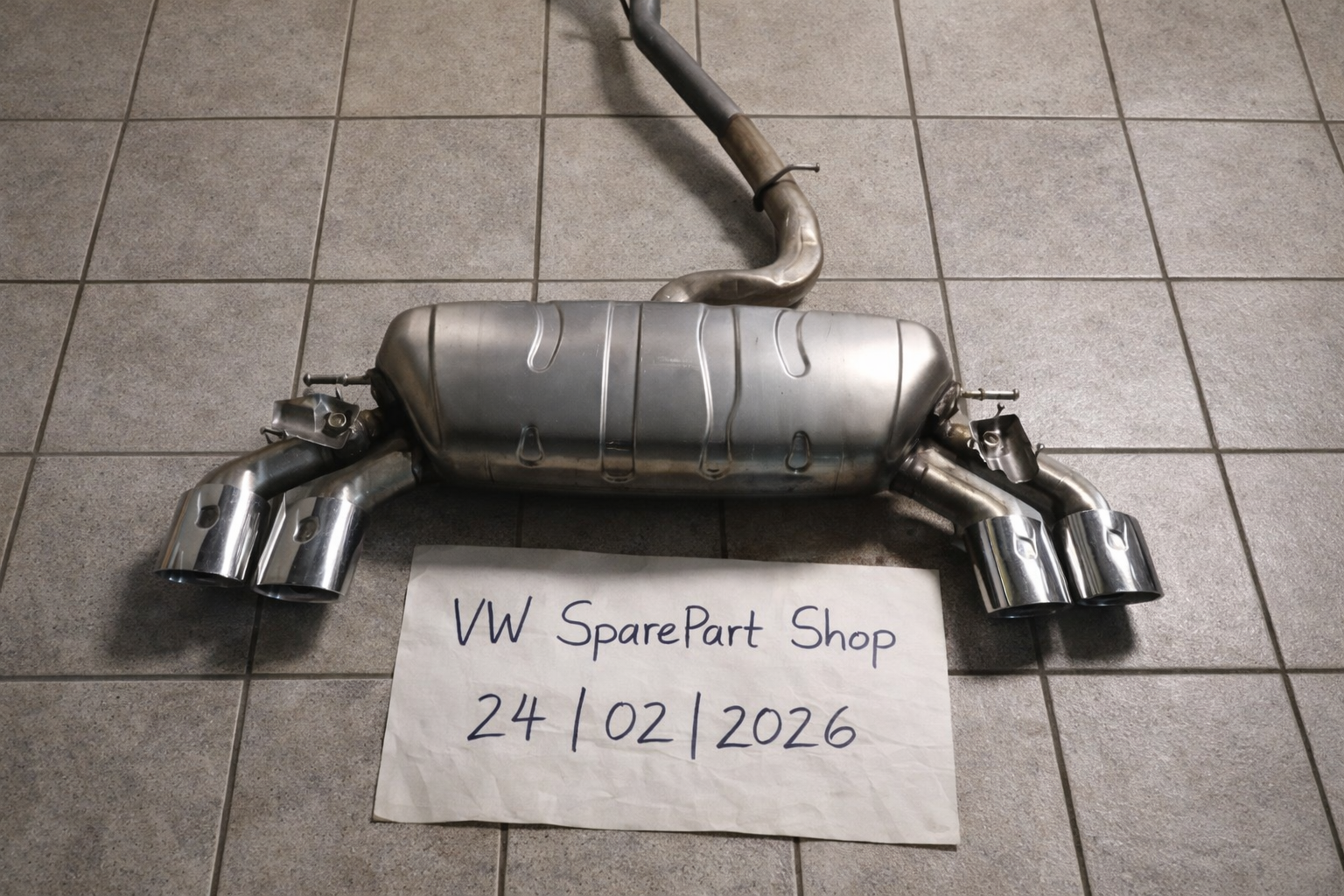
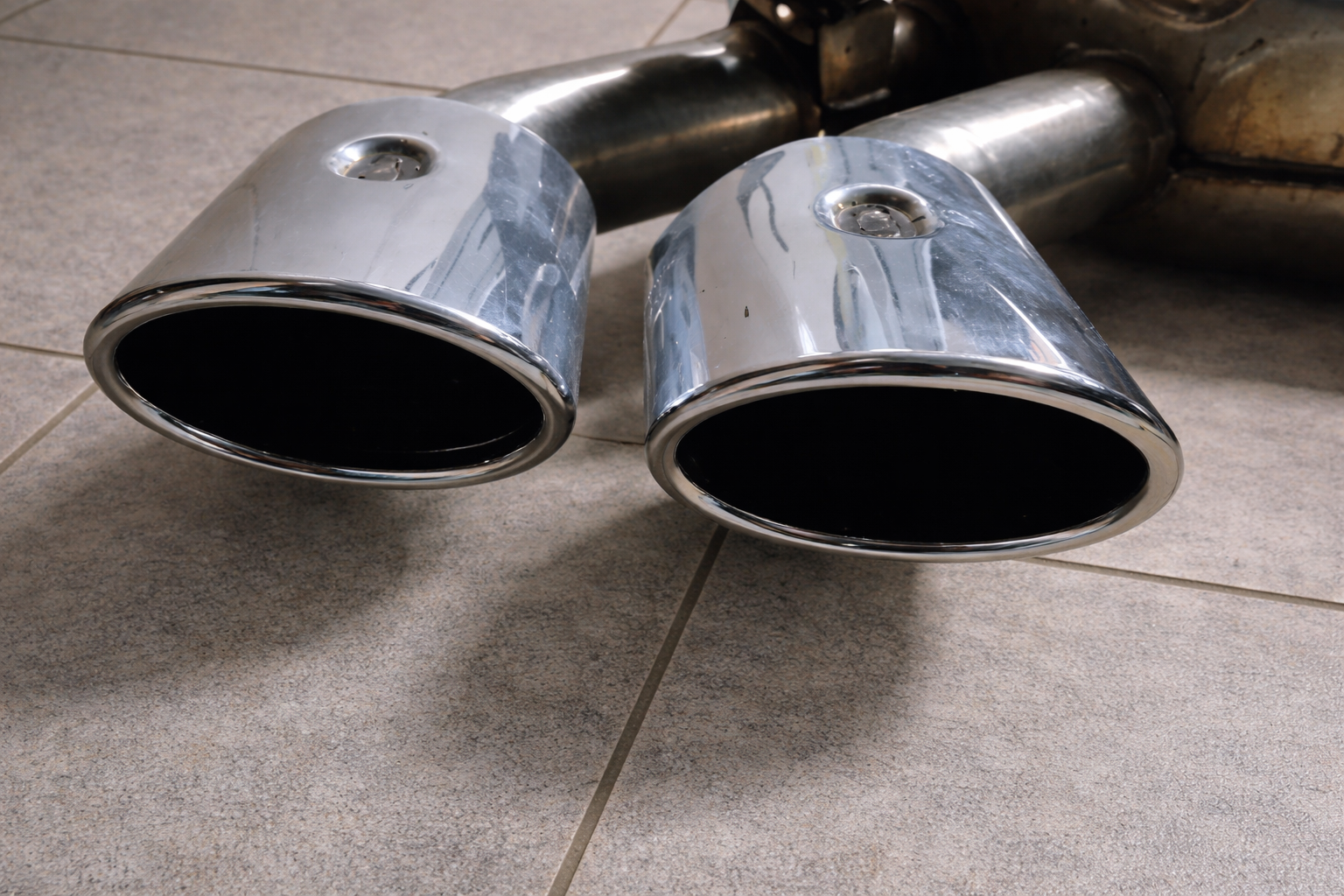
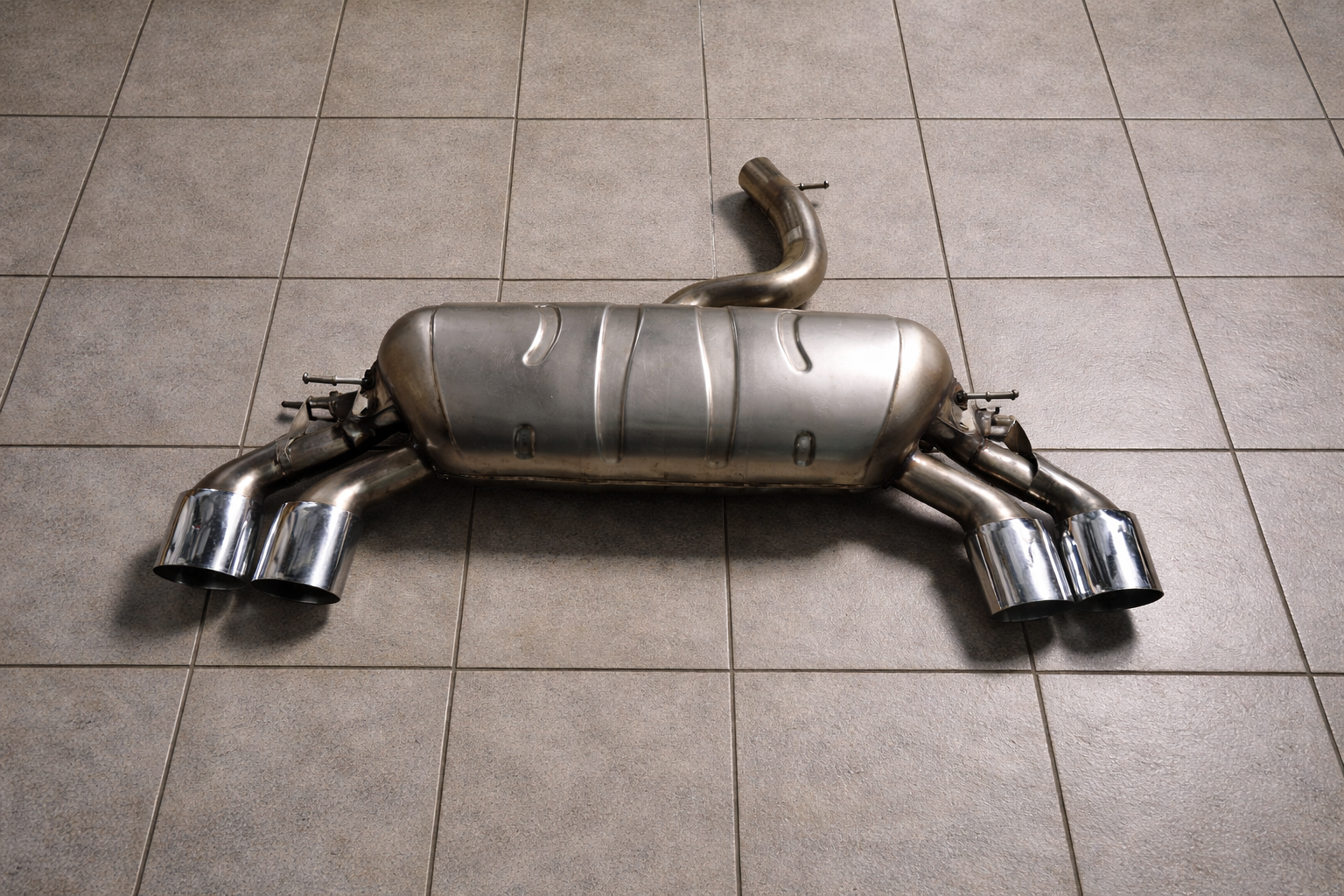
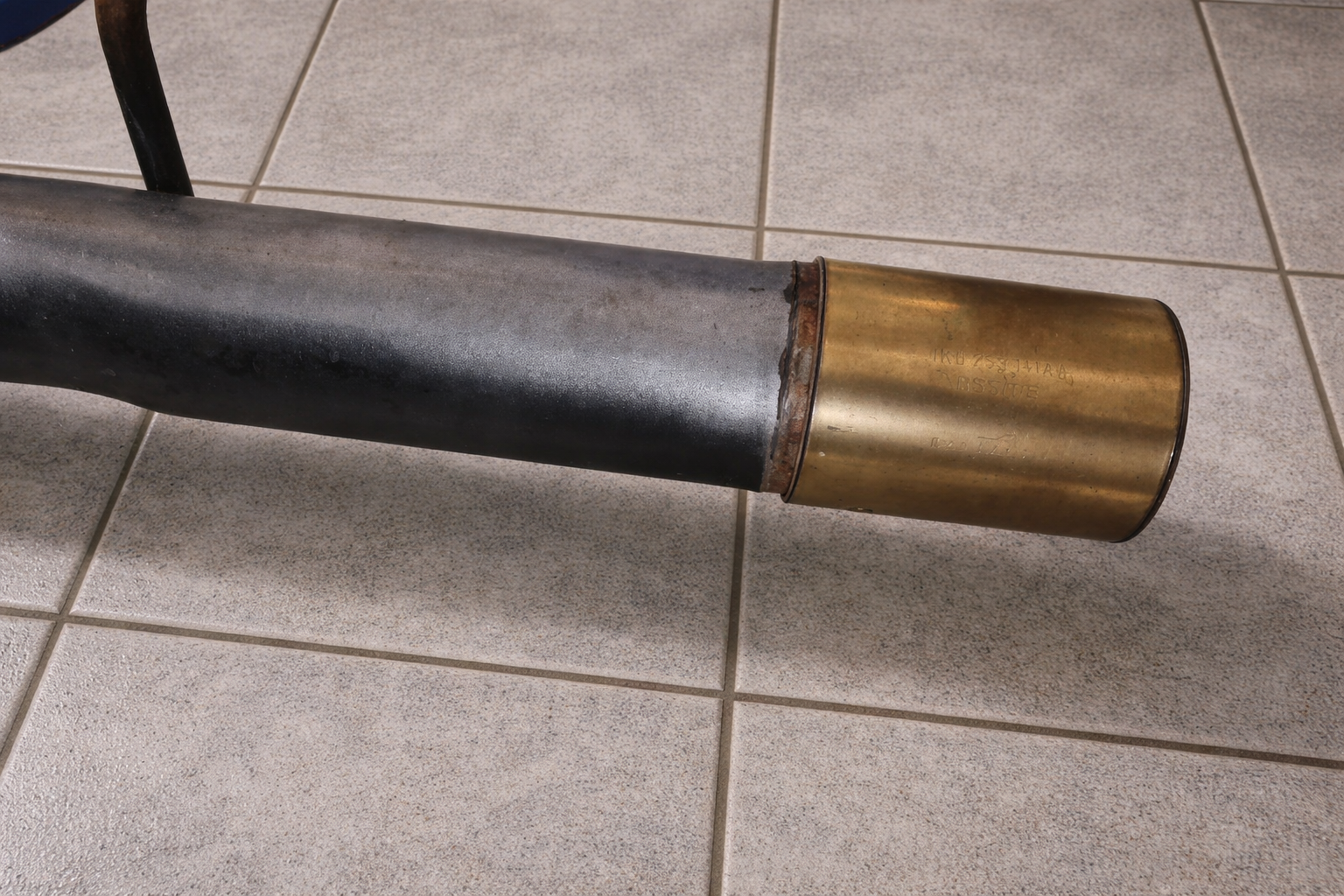
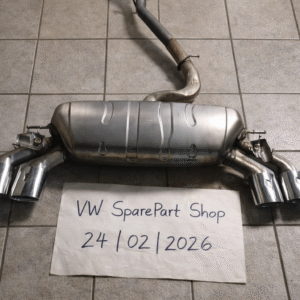
Exhaust VW GTI
€1,000.00
Description
Exhaust VW GTI OEM – Factory Precision Meets Everyday Performance
Performance begins where engineering meets intention. An Exhaust VW GTI OEM system restores your Volkswagen GTI to the exact standards originally engineered by Volkswagen. Precision fitment, calibrated acoustics, and balanced exhaust flow define this component. Every contour, weld, and mounting point aligns with factory specifications. As a result, your GTI performs the way it was designed to—smooth, responsive, and confidently refined.
Unlike universal alternatives, an OEM exhaust system integrates seamlessly with your vehicle’s turbocharged architecture. Compatibility remains uncompromised. Reliability stays consistent. Performance feels authentic.
What Is an Exhaust VW GTI OEM System?
An Exhaust VW GTI OEM system is a factory-specification replacement designed specifically for Volkswagen GTI models. OEM—Original Equipment Manufacturer—means the part matches the same standards used when your vehicle left the assembly line.
Consequently, the system maintains:
-
Factory exhaust flow calibration
-
Original sound tuning
-
Emission compliance integrity
-
Direct bolt-on compatibility
-
Turbo efficiency optimization
Because the exhaust works in harmony with your GTI’s turbocharged engine, performance consistency remains protected.
Why OEM Matters for Your VW GTI
Precision defines the GTI legacy. Therefore, replacing critical components with exact-fit parts ensures performance continuity.
Engineered Fitment for Seamless Installation
Every Exhaust VW GTI OEM system follows factory blueprints. Mounting brackets align precisely. Sensor ports sit in the correct position. Heat shielding matches original placements.
As a result, installation becomes straightforward:
-
No fabrication required
-
No custom welding necessary
-
No alignment adjustments
-
No compatibility guesswork
Confidence increases when parts fit correctly the first time.
Calibrated Turbocharged Performance
Turbocharged engines depend on controlled exhaust flow. Backpressure must remain balanced. Flow velocity must stay within engineered parameters.
Because OEM exhaust systems maintain original airflow geometry, they support:
-
Consistent boost response
-
Reduced turbo lag variability
-
Stable exhaust gas temperatures
-
Preserved engine longevity
Performance does not rely on excessive noise. Instead, precision airflow delivers reliable power.
Sound Profile: Refined, Sport-Inspired Acoustics
Driving enjoyment extends beyond horsepower figures. Sound character shapes the experience.
An Exhaust VW GTI OEM system produces:
-
A subtle growl under acceleration
-
Crisp turbo spool enhancement
-
Quiet idle stability
-
Drone-free highway cruising
Unlike aggressive aftermarket systems, factory tuning prioritizes balance. Therefore, daily commuting remains comfortable while spirited driving still feels engaging.
OEM Exhaust VW GTI vs Aftermarket Systems
Options vary widely within the performance market. However, differences matter.
OEM Advantages
Factory-level components deliver:
-
Engineered acoustic balance
-
Guaranteed fitment
-
Emissions compliance
-
Warranty alignment
-
Long-term reliability
Furthermore, resale value often benefits from documented OEM maintenance.
Aftermarket Considerations
Performance exhaust systems may increase volume. Nevertheless, louder sound does not always translate to better drivability. Drone can develop at cruising speeds. Cabin comfort may decrease. Emissions compliance can become uncertain.
Ultimately, drivers who prioritize refinement, reliability, and factory integrity often select OEM solutions.
Premium Materials and Construction Quality
Durability protects your investment. Therefore, every Exhaust VW GTI OEM system incorporates corrosion-resistant materials.
Stainless Steel Strength
High-grade stainless steel offers:
-
Rust resistance in humid climates
-
Protection against road salt corrosion
-
Structural stability during heat cycles
-
Long-term resistance to cracking
Because the exhaust system endures extreme temperatures, material quality remains critical.
Precision Weld Integrity
Manufacturing standards influence longevity. OEM welds undergo strict quality control processes.
As a result:
-
Vibration resistance improves
-
Leak risk decreases
-
Structural alignment stays intact
-
Performance consistency remains stable
Reliable weld integrity prevents premature failure.
Compatibility Across Volkswagen GTI Generations
Volkswagen has refined the GTI across multiple generations. Each iteration carries unique exhaust specifications.
Commonly Supported Generations
-
MK5 VW GTI
-
MK6 VW GTI
-
MK7 VW GTI
-
MK7.5 VW GTI
Before purchasing an Exhaust VW GTI OEM, confirm your model year and engine variant. Accurate selection ensures flawless installation.
Signs Your VW GTI Needs a New OEM Exhaust
Exhaust systems naturally wear over time. Environmental exposure accelerates corrosion. Road debris increases stress on structural components.
Common indicators include:
-
Rattling noises under the vehicle
-
Visible rust perforation
-
Exhaust leaks
-
Decreased fuel efficiency
-
Check engine light activation
-
Unusual cabin exhaust smells
Addressing these symptoms early protects both performance and safety.
Emissions Compliance and Inspection Confidence
Modern vehicles operate under strict environmental regulations. Because OEM exhaust systems meet factory emissions standards, they support:
-
Legal road compliance
-
Catalytic converter efficiency
-
Oxygen sensor accuracy
-
Reduced environmental impact
Consequently, inspection readiness becomes significantly easier.
Installation Overview
Replacing your Exhaust VW GTI OEM system typically involves:
-
Removing the old exhaust assembly
-
Inspecting mounting brackets and hangers
-
Installing the new OEM system
-
Securing bolts to manufacturer torque specifications
-
Verifying alignment and leak-free connections
Professional installation remains recommended; however, experienced DIY enthusiasts can complete the process with appropriate tools.
Long-Term Value Preservation
Maintaining OEM components reinforces the GTI’s original engineering intent. Documentation of genuine parts often enhances buyer confidence during resale. In addition, factory parts help preserve warranty alignment where applicable.
Drivers who value balanced performance and reliability frequently choose OEM solutions for this reason.
Who Benefits Most from an Exhaust VW GTI OEM?
This product serves:
-
Daily drivers seeking quiet refinement
-
Enthusiasts restoring factory performance
-
Owners prioritizing emissions compliance
-
Drivers in regions with strict inspection standards
-
Buyers maintaining long-term vehicle value
Inclusive engineering supports every driver, regardless of experience level.
Key Features at a Glance
✅ Direct OEM replacement fit
✅ Factory-calibrated sound profile
✅ Stainless steel corrosion resistance
✅ Turbo-optimized airflow design
✅ Emissions compliant construction
✅ No modification installation
✅ Reliable long-term durability
✅ Maintains resale integrity
Exhaust VW GTI OEM – Advanced Engineering & Performance Dynamics
Technical precision shapes true performance. An Exhaust VW GTI OEM system does more than channel gases away from the engine. Instead, it regulates pressure waves, manages thermal loads, preserves turbo efficiency, and stabilizes acoustic resonance. Each parameter influences drivability, reliability, and compliance.
Engineering consistency separates factory-calibrated exhaust systems from universal replacements. Therefore, understanding the technical architecture behind an OEM exhaust clarifies why it remains the optimal solution for balanced GTI performance.
Exhaust Flow Dynamics in the VW GTI Turbocharged Engine
Airflow efficiency directly impacts turbocharged output. Because the GTI relies on forced induction, exhaust velocity and pressure regulation must remain within calibrated thresholds.
Controlled Backpressure Optimization
Backpressure cannot be eliminated entirely. Instead, it must be controlled.
An Exhaust VW GTI OEM system maintains:
-
Calibrated exhaust gas velocity
-
Balanced turbine spool pressure
-
Optimized boost consistency
-
Reduced turbulence inside piping
As a result, turbo lag remains predictable. Acceleration feels smooth rather than erratic.
Aftermarket systems often reduce restriction excessively. However, improper flow reduction can disrupt low-RPM torque delivery. OEM tuning preserves torque curves engineered by Volkswagen.
Laminar vs Turbulent Flow Management
Exhaust gases behave dynamically under high temperature and velocity conditions. Therefore, pipe diameter, curvature radius, and weld transitions influence turbulence levels.
OEM engineering supports:
-
Smooth mandrel bends
-
Uniform pipe diameter
-
Reduced internal surface disruption
-
Controlled resonance harmonics
Consequently, laminar flow conditions dominate, improving efficiency and maintaining acoustic refinement.
Turbocharger Interaction and Exhaust Synchronization
The turbocharger depends on exhaust energy transfer. Because turbine blades rotate using expelled exhaust gases, flow consistency determines boost accuracy.
Turbine Efficiency Preservation
A factory-calibrated Exhaust VW GTI OEM system helps:
-
Stabilize turbine rotational speed
-
Maintain consistent boost pressure
-
Prevent over-spooling scenarios
-
Protect internal turbo bearings
Long-term reliability improves when exhaust energy delivery remains predictable.
Heat Regulation Around the Turbo Assembly
Turbochargers operate under extreme heat. Therefore, thermal dispersion within the exhaust system becomes critical.
OEM systems integrate:
-
Strategic heat shielding placement
-
Calibrated wall thickness
-
Temperature-resistant stainless alloys
-
Balanced gas expansion chambers
Heat dissipation reduces strain on adjacent components, including wiring harnesses and oxygen sensors.
Component Breakdown of an OEM Exhaust VW GTI System
Understanding each section clarifies system integration.
1. Downpipe Section (OEM-Spec Configuration)
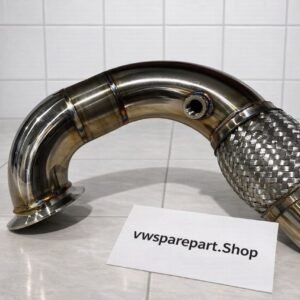
Although performance enthusiasts often modify downpipes, OEM configurations prioritize emissions balance.
The factory-matched downpipe supports:
-
Catalytic converter efficiency
-
Oxygen sensor calibration
-
Turbo response accuracy
-
Regulatory compliance
Precision mounting ensures no exhaust leaks compromise sensor readings.
2. Mid-Pipe Assembly
The mid-section governs resonance control.
Key benefits include:
-
Balanced sound dampening
-
Vibration absorption
-
Controlled pressure equalization
-
Structural alignment support
Consequently, cabin comfort remains intact.
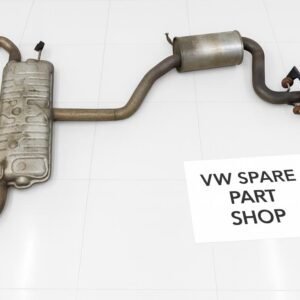
3. Resonator Integration
Resonators neutralize unwanted frequencies. Instead of amplifying noise, they refine tone.
OEM resonators deliver:
-
Drone elimination at cruising speeds
-
Smooth frequency transition during acceleration
-
Reduced cabin vibration
-
Acoustic clarity enhancement
Long highway drives remain comfortable because resonance peaks stay controlled.
4. Rear Muffler Assembly
The muffler defines the GTI’s recognizable sound signature.
Factory tuning provides:
-
Deep yet restrained exhaust tone
-
Stable idle acoustics
-
Non-intrusive decibel levels
-
Compliance with road noise regulations
Therefore, refinement and sport coexist seamlessly.
Thermal Dynamics and Material Science
Exhaust systems endure continuous thermal cycling. Expansion and contraction stress metal components over time.
Stainless Steel Expansion Management
An Exhaust VW GTI OEM system uses engineered wall thickness to manage:
-
Thermal expansion rates
-
Metal fatigue resistance
-
Corrosion prevention
-
Structural rigidity under high temperatures
Durability increases because material properties match expected heat loads.
Weld Integrity Under Heat Stress
Heat cycling stresses weld seams significantly. Therefore, factory robotic welding ensures:
-
Uniform penetration depth
-
Consistent seam reinforcement
-
Reduced microfracture risk
-
Long-term structural reliability
Predictable durability results from manufacturing precision.
Acoustic Engineering: Sound Without Compromise
Noise alone does not define performance. Instead, harmonic balance determines driver satisfaction.
OEM sound calibration focuses on:
-
Low-frequency depth control
-
Mid-range resonance smoothing
-
High-frequency harshness reduction
-
Balanced turbo spool amplification
Because engineers design acoustics intentionally, driving enjoyment increases without fatigue.
Fuel Efficiency and Combustion Stability
Exhaust flow influences air-fuel mixture behavior. Oxygen sensor readings depend on accurate exhaust composition.
An OEM exhaust system supports:
-
Stable O2 sensor feedback
-
Accurate ECU fuel mapping
-
Reduced fuel trim fluctuations
-
Efficient combustion cycles
Consequently, fuel economy remains aligned with manufacturer expectations.
Emissions Control Integration
Modern GTI models integrate multiple emissions monitoring systems. Any exhaust irregularity can trigger diagnostic codes.
OEM exhaust systems maintain:
-
Catalytic converter positioning accuracy
-
Secondary oxygen sensor calibration
-
Exhaust gas temperature balance
-
Inspection readiness assurance
Compliance supports both environmental responsibility and legal confidence.
Long-Term Ownership Economics
Financial considerations extend beyond purchase price.
Reduced Maintenance Risk
Because OEM exhaust systems match factory tolerances, they reduce:
-
Exhaust leak probability
-
Turbo strain
-
Sensor malfunction risk
-
Premature corrosion issues
Repair frequency decreases when system balance remains intact.
Resale Market Advantage
Vehicle buyers often value originality. Therefore, documented installation of an Exhaust VW GTI OEM component may:
-
Improve resale confidence
-
Appeal to purist buyers
-
Support vehicle history transparency
-
Maintain factory character
Authenticity influences buyer perception positively.
Inclusive Performance for Every Driver
Engineering should support all drivers, regardless of experience level. Whether you are a first-time GTI owner or a seasoned enthusiast, OEM exhaust reliability ensures predictable performance.
Because the system prioritizes balance rather than extremity, it accommodates:
-
Daily commuting
-
Weekend spirited drives
-
Long-distance travel
-
Urban traffic conditions
-
Diverse climate environments
Every driver deserves performance that feels stable, refined, and dependable.
Exhaust VW GTI OEM – Buyer Strategy, Installation Mastery & Ownership Intelligence
Confidence drives purchasing decisions. An Exhaust VW GTI OEM system appeals not only because of engineering precision, but also because it reduces uncertainty. Buyers want clarity. Drivers expect reliability. Enthusiasts demand authenticity. Therefore, this section focuses on decision psychology, step-by-step installation detail, lifecycle cost analysis, and advanced troubleshooting guidance.
Every factor below supports conversion, long-term ownership satisfaction, and SEO depth.
Why Drivers Choose an Exhaust VW GTI OEM (Buyer Psychology Insights)
Emotion influences performance upgrades. However, logic finalizes the purchase.
Trust in Factory Engineering
OEM components reduce risk perception. Instead of questioning compatibility, buyers gain:
-
Assured factory fitment
-
Engineered acoustic balance
-
Turbocharger protection
-
Emissions compliance security
Because uncertainty decreases, purchase confidence increases.
Preservation Over Experimentation
Modifications introduce variables. Conversely, OEM restoration eliminates them.
Drivers frequently prioritize:
-
Maintaining factory character
-
Protecting resale value
-
Avoiding ECU recalibration
-
Ensuring inspection readiness
Therefore, OEM exhaust replacement often becomes the rational choice.
Inclusive Ownership Appeal
Performance should feel accessible to everyone. Whether you are new to GTI ownership or an experienced enthusiast, a factory-spec exhaust provides predictable results.
Confidence grows when upgrades feel straightforward rather than experimental.
Step-by-Step Installation Guide for Exhaust VW GTI OEM
Preparation prevents complications. Careful installation ensures optimal sealing, alignment, and long-term performance.
Required Tools
-
Hydraulic jack or vehicle lift
-
Jack stands (rated for vehicle weight)
-
Socket wrench set
-
Torque wrench
-
Penetrating lubricant
-
Replacement exhaust gaskets (OEM recommended)
-
Safety gloves and eye protection
Safety remains essential throughout the process.
Step 1: Vehicle Elevation
Begin by lifting the vehicle on a stable surface. Secure jack stands beneath designated lift points. Stability must be confirmed before proceeding.
Step 2: Inspect the Existing Exhaust Assembly
Visual inspection identifies corrosion severity and mounting condition. Evaluate:
-
Exhaust hangers
-
Flange bolts
-
Sensor wiring clearance
-
Catalytic converter alignment
Pre-inspection minimizes unexpected delays.
Step 3: Apply Penetrating Lubricant
Bolts exposed to road salt may seize. Apply lubricant to flange connections and allow adequate soak time. This step reduces bolt shear risk.
Step 4: Disconnect Rear Section First
Gradual removal preserves alignment integrity. Support the exhaust while loosening mounting brackets to prevent sudden drop stress.
Step 5: Remove Mid-Pipe and Muffler Assembly
Carefully detach the mid-pipe section. Inspect rubber hangers for wear. Replace compromised mounts before installing the new Exhaust VW GTI OEM unit.
Step 6: Position the New OEM Exhaust
Align mounting brackets with factory points. Insert bolts loosely at first to allow adjustment flexibility.
Step 7: Torque to Manufacturer Specifications
Once alignment is confirmed, tighten all bolts using proper torque values. Even torque distribution ensures leak-free connections.
Step 8: Conduct Final Leak Inspection
Start the engine briefly. Listen for air leaks at flange joints. Confirm alignment of exhaust tips relative to rear valance cutouts.
Precision installation ensures factory performance restoration.
Troubleshooting Guide for OEM Exhaust VW GTI Systems
Occasional irregularities may occur post-installation. Early diagnosis prevents long-term complications.
Issue: Rattling Noise
Possible Causes:
-
Loose heat shield
-
Worn rubber hangers
-
Improper bracket torque
Solution:
Recheck torque specifications and hanger integrity.
Issue: Exhaust Leak at Flange
Possible Causes:
-
Damaged gasket
-
Uneven bolt tightening
-
Misaligned pipe connection
Solution:
Replace gasket and retorque bolts evenly.
Issue: Excessive Cabin Drone (Uncommon in OEM)
Possible Causes:
-
Incorrect installation alignment
-
Damaged resonator
-
Non-OEM mid-pipe integration
Solution:
Verify system integrity and ensure all components remain OEM specification.
Lifecycle Cost Analysis: OEM vs Aftermarket
Short-term savings can produce long-term costs. Therefore, lifecycle comparison becomes essential.
OEM Lifecycle Advantages
-
Reduced risk of sensor malfunction
-
Lower probability of turbo strain
-
Fewer inspection failures
-
Longer corrosion resistance lifespan
Maintenance intervals often remain predictable.
Aftermarket Risk Variables
-
Increased cabin drone fatigue
-
Possible ECU recalibration requirements
-
Higher inspection failure risk
-
Accelerated component wear
Although upfront pricing may appear lower, long-term cost may increase.
OEM stability reduces hidden ownership expenses.
Maintenance Strategy for Maximum Longevity
Proactive maintenance protects your Exhaust VW GTI OEM system.
Recommended routine checks:
-
Inspect hangers every 10,000 miles
-
Wash undercarriage during winter months
-
Monitor exhaust tone changes
-
Check flange bolts annually
-
Observe for corrosion near weld seams
Exhaust VW GTI OEM – Frequently Asked Questions (FAQ)
Clarity supports confident decisions. Therefore, the following FAQ section addresses technical, installation, compliance, and ownership questions related to an Exhaust VW GTI OEM system. Each answer is structured to support informed purchasing while reinforcing SEO depth and semantic authority.
What is an Exhaust VW GTI OEM?
An Exhaust VW GTI OEM is an Original Equipment Manufacturer replacement exhaust system designed specifically for Volkswagen GTI models. Factory specifications are matched precisely. Fitment aligns with original mounting points. Acoustic tuning replicates stock sound characteristics. Emissions compliance remains intact.
Because the system mirrors factory engineering, performance balance is preserved.
What does OEM mean for Volkswagen GTI exhaust parts?
OEM refers to parts manufactured to the same standards as those installed at the factory. In the case of a Volkswagen GTI exhaust system, OEM ensures:
-
Direct bolt-on compatibility
-
Factory-calibrated airflow
-
Proper oxygen sensor integration
-
Emission system alignment
-
Original acoustic tuning
Consequently, installation complexity is reduced and reliability is maintained.
Does an OEM Exhaust VW GTI improve performance?
Performance consistency is maintained rather than dramatically increased. Turbo efficiency remains stable. Boost delivery stays predictable. Torque curves retain factory tuning.
While significant horsepower gains are not typically achieved, overall drivability, throttle response stability, and long-term engine protection are supported.
Is an OEM exhaust better than an aftermarket exhaust for VW GTI?
That decision depends on your priorities.
An OEM exhaust prioritizes:
-
Refinement
-
Reliability
-
Emissions compliance
-
Warranty compatibility
-
Balanced acoustics
An aftermarket system may prioritize:
-
Louder exhaust tone
-
Aggressive styling
-
Custom tuning flexibility
However, OEM solutions are typically preferred by drivers seeking factory precision and daily usability.
Will an Exhaust VW GTI OEM system change the sound of my car?
Factory sound characteristics are replicated. Idle remains smooth. Acceleration produces a refined sporty tone. Highway cruising remains drone-free.
Excessive volume increase is not introduced, because acoustic calibration matches original specifications.
Does OEM exhaust require ECU tuning?
No ECU tuning is required. Because the exhaust system follows factory backpressure and sensor calibration standards, engine control unit programming remains unchanged.
As a result, diagnostic stability is preserved.
Is the Exhaust VW GTI OEM emissions compliant?
Yes. OEM exhaust systems are engineered to meet factory emissions standards. Catalytic converter placement, oxygen sensor alignment, and exhaust gas flow dynamics remain compliant with regulatory requirements.
Inspection readiness is therefore maintained.
How long does a VW GTI OEM exhaust last?
Lifespan depends on environmental exposure and driving conditions. However, stainless steel OEM systems typically offer:
-
Strong corrosion resistance
-
High heat tolerance
-
Structural durability under vibration stress
With proper maintenance, long-term reliability can be expected.Volkswagen GTI OEM exhaust system
Can I install an Exhaust VW GTI OEM myself?
Installation is considered moderate in complexity. Experienced DIY mechanics with proper tools can complete the process. However, professional installation ensures:
-
Correct torque specification
-
Leak-free flange sealing
-
Proper exhaust tip alignment
-
Secure mounting bracket positioning
Precision installation enhances long-term durability.Volkswagen GTI OEM exhaust system
What are signs that my VW GTI exhaust needs replacement?
Common indicators include:
-
Rattling under the vehicle
-
Visible rust or perforation
-
Decreased fuel efficiency
-
Exhaust leaks
-
Check engine light activation
-
Louder-than-normal exhaust tone
Prompt replacement prevents further engine stress.
Does OEM exhaust preserve resale value?
Yes. Factory-spec components often appeal to buyers who value originality. Documented OEM maintenance supports confidence and can positively influence resale perception.
Authenticity frequently strengthens long-term vehicle value.
Will an OEM exhaust affect fuel economy?
Fuel economy remains consistent with factory ratings. Because airflow geometry matches original engineering, air-fuel mixture balance stays within calibrated parameters.Genuine VW GTI exhaust OEM
Unexpected fuel trim fluctuations are therefore avoided.
Is stainless steel used in OEM GTI exhaust systems?
Yes. High-grade stainless steel is typically used to improve:
-
Corrosion resistance
-
Heat cycle durability
-
Structural integrity
-
Longevity under road exposure
Material quality directly impacts performance reliability.Genuine VW GTI exhaust OEM
Does OEM exhaust reduce turbo lag?
Turbo lag is not eliminated entirely, as it is inherent to forced induction. However, calibrated backpressure management ensures predictable spool response and stable boost delivery.
Balanced flow supports smooth acceleration.
Are OEM exhaust systems louder over time?
Sound levels should remain stable. If excessive noise develops, inspection for leaks or damaged components is recommended.
Proper maintenance preserves acoustic integrity.
What components are included in an Exhaust VW GTI OEM system?
Depending on configuration, components may include:
-
Mid-pipe assembly
-
Resonator section
-
Rear muffler assembly
-
Mounting brackets
-
Flange connections
Specific configurations vary by GTI generation.
Does climate affect OEM exhaust lifespan?
Environmental factors influence corrosion rate. Regions with heavy road salt exposure may accelerate wear. Routine undercarriage cleaning and periodic inspection help extend system life.
Preventative maintenance remains beneficial.
Why choose OEM over a cheaper alternative?
Upfront cost savings may appear attractive. However, OEM systems reduce long-term risks such as:
-
Poor fitment
-
Emissions non-compliance
-
Turbo inefficiency
-
Increased cabin drone
-
Sensor misalignment
Reliability often justifies investment.
Related products
-
-
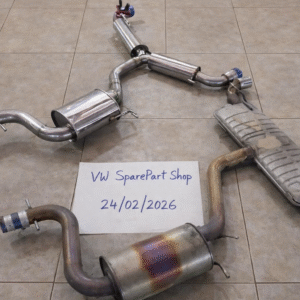
Volkswagen Golf GTI Exhaust
€500.00Select options This product has multiple variants. The options may be chosen on the product page -
-
Reviews
There are no reviews yet.