
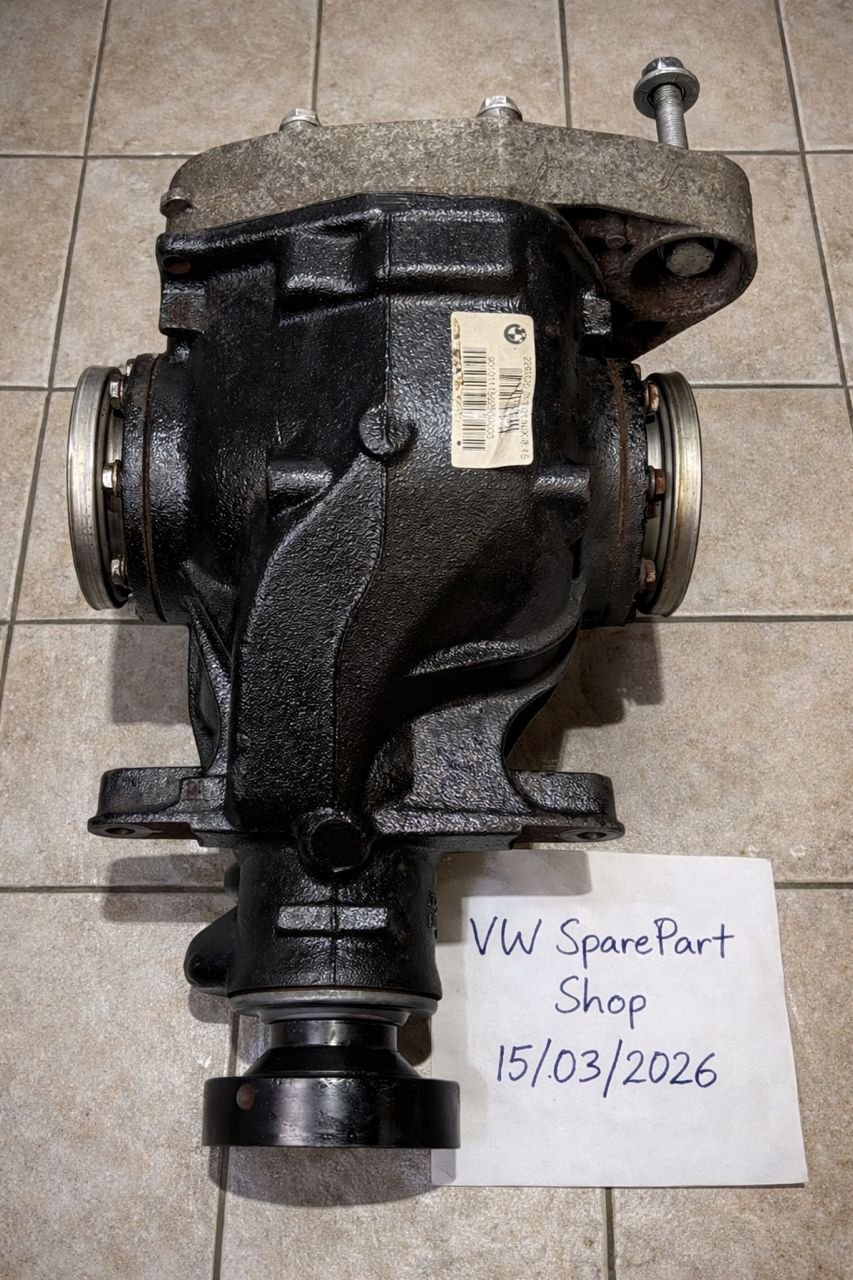
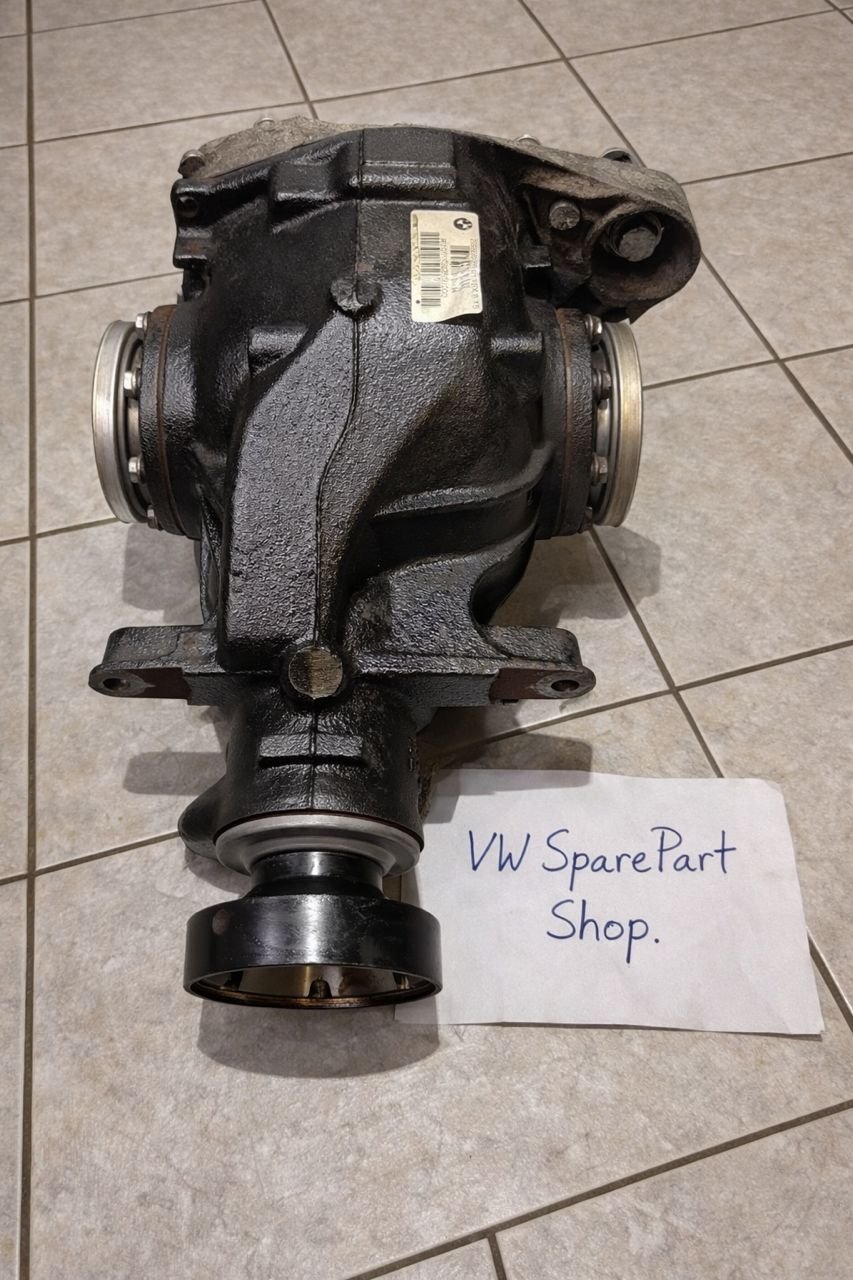
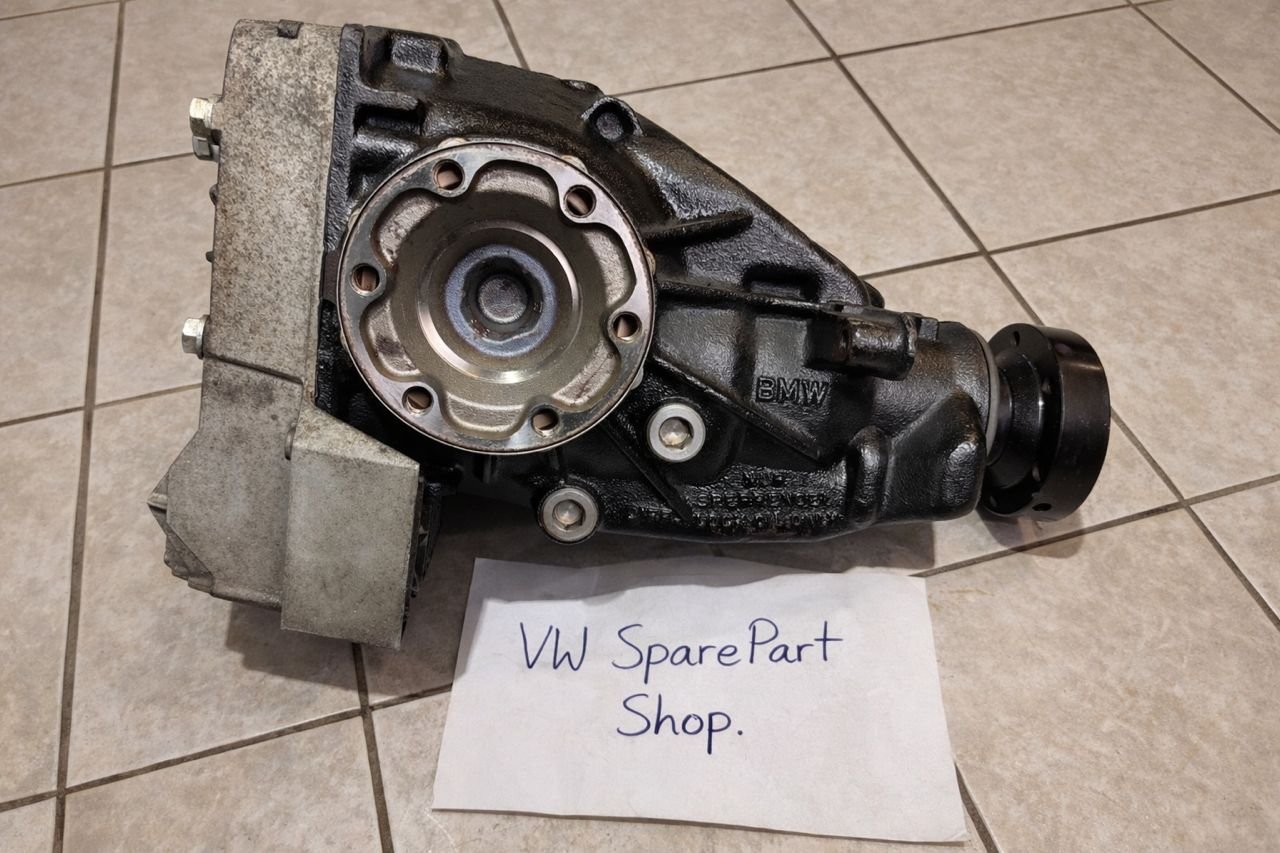
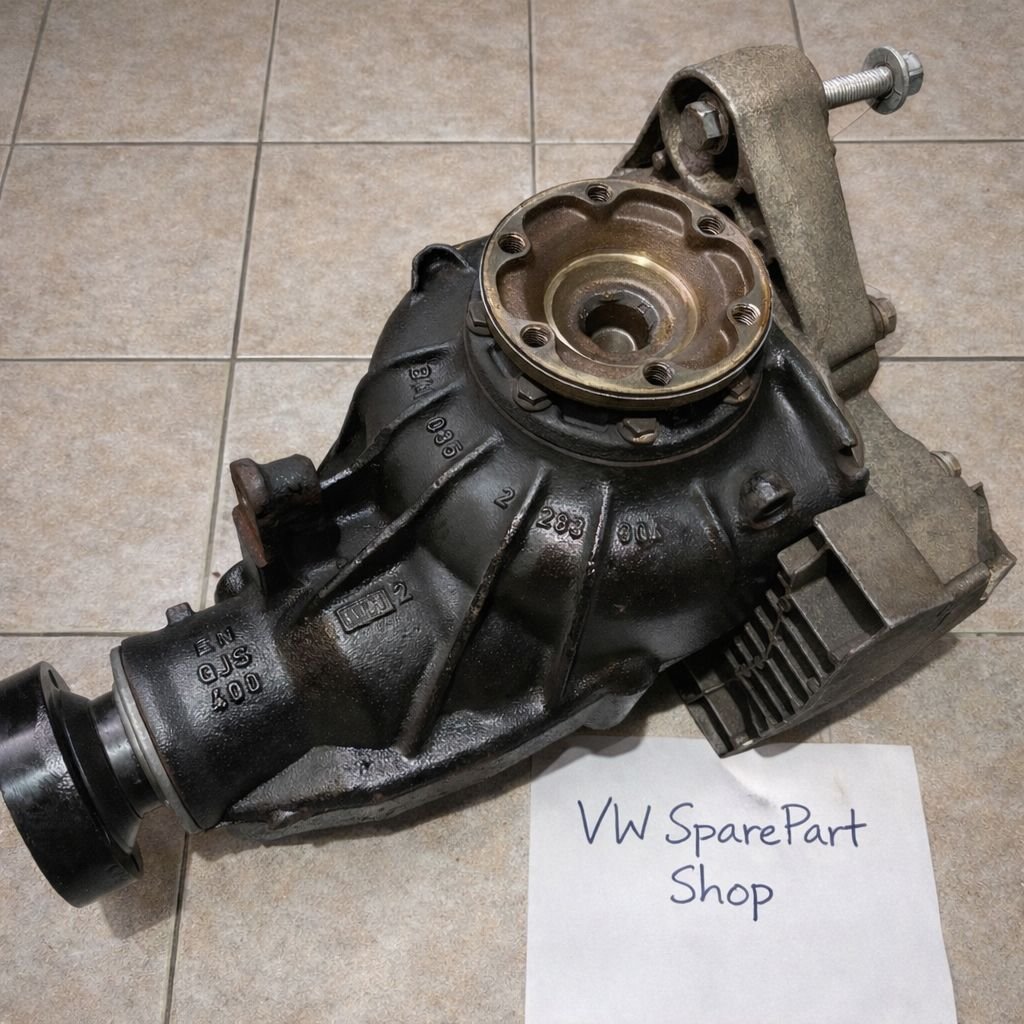
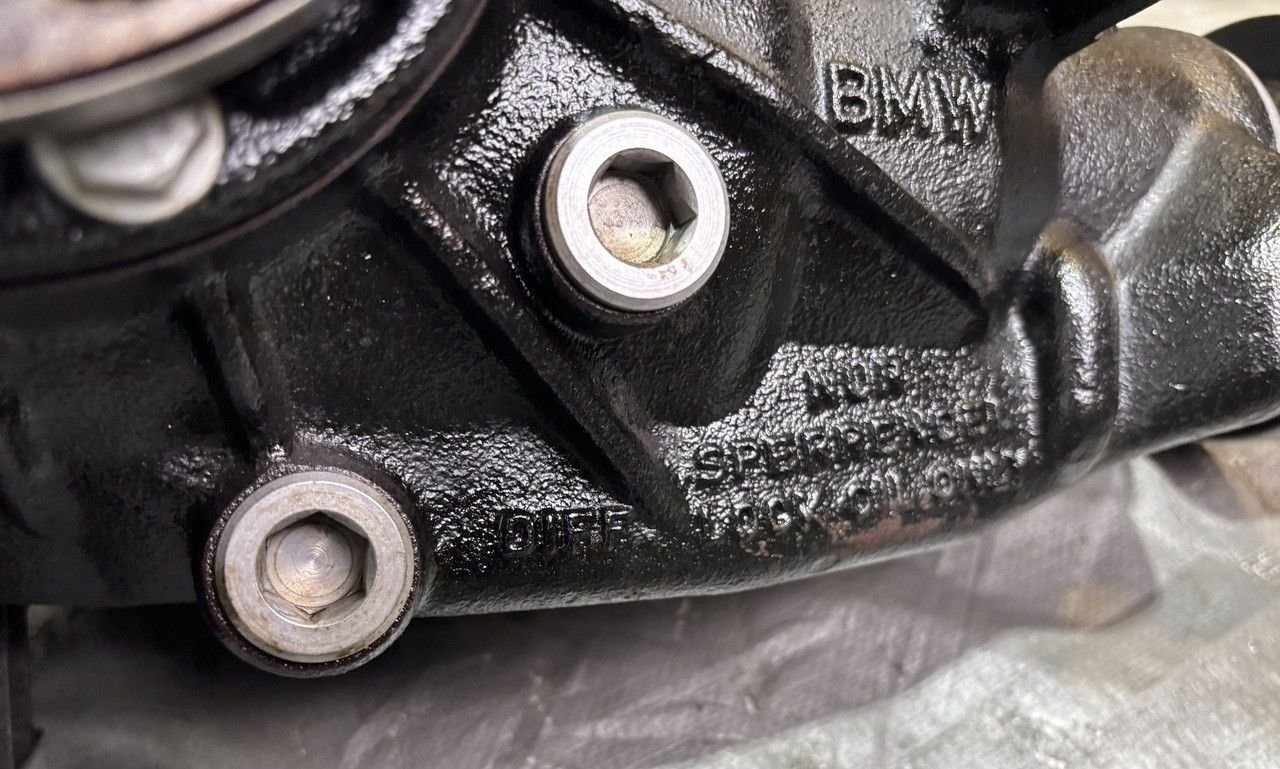
2008-2013 E90 E92 BMW M3 Limited Slip Differential / 3.15 / Automatic / 109K E9M06
€500.00
The 2008–2013 E90 E92 BMW M3 Limited Slip Differential 3.15 is a critical drivetrain component designed to maximize traction, enhance cornering stability, and deliver the performance expected from BMW’s legendary M3 platform. Engineered specifically for the high-performance E90 and E92 generation M3 models, this OEM differential plays a crucial role in translating engine power into controlled acceleration and responsive handling.
Description
2008–2013 E90 E92 BMW M3 Limited Slip Differential 3.15 – OEM Performance Differential for Automatic M3 Models (109K Miles)
Understanding the Role of the BMW M3 Limited Slip Differential
The limited slip differential serves as one of the most important components in the drivetrain of the BMW E90 and E92 M3. While many drivers focus primarily on the engine and transmission, the differential plays a critical role in how power is delivered to the road. Consequently, it directly influences traction, handling, and overall driving performance.
The Function of a Differential in Rear-Wheel-Drive Vehicles
In a rear-wheel-drive vehicle such as the BMW M3, the differential transfers engine torque from the driveshaft to the rear wheels. However, the rear wheels must rotate at different speeds when the vehicle turns. During a corner, the outside wheel travels a longer distance than the inside wheel. Therefore, each wheel must rotate independently.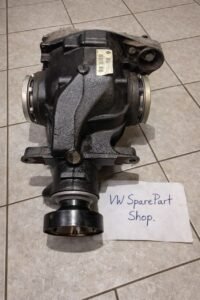
The differential allows this difference in wheel speed to occur smoothly. Without a differential, the wheels would be forced to rotate at the same speed. Consequently, tire wear would increase and turning would become difficult.
However, a standard open differential has a limitation. When one wheel loses traction, the system sends most of the engine’s power to that slipping wheel. As a result, the vehicle may struggle to accelerate effectively.
Why BMW Uses a Limited Slip Differential
To address this limitation, BMW equips performance models such as the M3 with a limited slip differential (LSD). Unlike an open differential, the LSD distributes torque more intelligently between both wheels.
When one wheel begins to slip, the limited slip mechanism transfers additional torque to the wheel with greater traction. Consequently, both wheels continue to contribute to forward motion.
This capability becomes especially valuable during high-performance driving conditions, including:
-
Rapid acceleration
-
Aggressive cornering
-
Low-traction road surfaces
Because torque distribution remains balanced, drivers can apply throttle more confidently while maintaining control.
The Importance of the 3.15 Gear Ratio
The 3.15 gear ratio of this BMW M3 differential represents a carefully chosen balance between acceleration and cruising efficiency. Gear ratio refers to the relationship between the rotation of the driveshaft and the rotation of the wheels.
Lower numerical ratios typically favor higher top speed and reduced engine RPM at highway speeds. Meanwhile, higher ratios emphasize quicker acceleration.
The 3.15 ratio used in the E90 and E92 M3 automatic models offers a balanced configuration. Consequently, drivers benefit from responsive acceleration while maintaining comfortable cruising performance during highway driving.
Integration with the BMW M3 Performance Platform
The 2008–2013 BMW M3 features one of BMW’s most celebrated performance drivetrains. The naturally aspirated S65 V8 engine produces significant horsepower and torque. However, that power must be managed carefully to maintain stability.
The limited slip differential helps achieve this balance. Because torque distribution remains controlled, the M3 can accelerate aggressively without sacrificing traction.
Additionally, the differential supports the M3’s precise handling characteristics. During cornering, the LSD helps stabilize the rear axle by distributing torque appropriately between the wheels.
Enhancing Driving Confidence
Drivers often notice the benefits of a limited slip differential during spirited driving. When exiting a corner, applying throttle can sometimes cause wheel slip in vehicles without LSD systems. However, the BMW M3 limited slip differential helps maintain traction during these situations.
Consequently, the vehicle accelerates smoothly rather than losing grip. This improvement enhances driver confidence and control.
Moreover, the LSD contributes to the balanced handling that makes the M3 a favorite among driving enthusiasts.
Long-Term Durability and Performance
BMW engineered the E9x M3 differential to withstand the high-performance demands of the vehicle. The internal gears, clutches, and housing have been constructed from durable materials designed for longevity.
Because of this robust design, the differential can perform reliably over many miles when maintained properly. However, as mileage increases, components may eventually wear. Therefore, replacing the differential with an OEM unit can help restore drivetrain performance.
Ultimately, the 2008–2013 E90 E92 BMW M3 Limited Slip Differential 3.15 plays a vital role in maintaining the performance and driving character of the M3 platform.
Key Features and Technical Specifications of the 2008–2013 E90 E92 BMW M3 Limited Slip Differential 3.15 (≈700 words)
The 2008–2013 E90 E92 BMW M3 Limited Slip Differential 3.15 incorporates several advanced engineering features that enhance traction, improve stability, and maintain the dynamic performance expected from BMW’s M division vehicles. Because the drivetrain plays a central role in transferring engine power to the road, the differential must operate with precision and durability. Therefore, BMW designed this limited slip differential with carefully engineered components that support both everyday driving and performance-oriented use.
Factory OEM Engineering
One of the most significant advantages of the BMW M3 limited slip differential lies in its OEM factory design. BMW engineers developed this component specifically for the E90 and E92 M3 platforms. Consequently, it integrates seamlessly with the vehicle’s drivetrain, suspension geometry, and electronic systems.
Because the differential follows factory specifications, drivers can expect the same performance characteristics that the vehicle delivered when new. Moreover, OEM components often provide a higher level of reliability compared with aftermarket alternatives. As a result, many enthusiasts prefer original BMW drivetrain parts when restoring or repairing their vehicles.
3.15 Gear Ratio for Balanced Performance
The 3.15 gear ratio represents one of the defining specifications of this differential. Gear ratios influence how engine torque is delivered to the wheels. Lower ratios emphasize top speed, while higher ratios improve acceleration.
BMW selected the 3.15 ratio for many automatic transmission E90 and E92 M3 models because it balances both performance factors effectively. Consequently, the vehicle maintains strong acceleration while also providing comfortable cruising speeds on highways.
Additionally, this gear ratio helps preserve the engine’s natural power curve. Because the ratio aligns with the characteristics of the S65 V8 engine, drivers experience smooth power delivery across the RPM range.
Limited Slip Mechanism
The limited slip function remains the core performance feature of this differential. Standard open differentials allow each wheel to rotate independently, which is necessary during cornering. However, open differentials may send excessive power to a slipping wheel when traction becomes limited.
The BMW M3 limited slip differential addresses this issue through an internal clutch-based system. When one wheel begins to lose traction, the mechanism transfers additional torque to the wheel with better grip. Consequently, both rear wheels contribute to forward motion.
This torque redistribution significantly improves traction during acceleration. Furthermore, it enhances stability when exiting corners or driving on uneven road surfaces.
High-Strength Differential Housing
Durability plays a crucial role in drivetrain performance. The E9x M3 differential housing has been constructed from high-strength materials designed to withstand the stresses associated with high-performance driving.
The housing protects the internal gears, bearings, and clutch mechanisms from external forces and road conditions. Additionally, it helps maintain proper alignment between drivetrain components.
Because the housing remains structurally rigid, gear engagement occurs smoothly. Consequently, the differential operates quietly and efficiently even under demanding conditions.
Precision Gear Assembly
Inside the differential, a set of precision-machined gears manages torque distribution between the rear wheels. These gears have been engineered with tight tolerances to ensure smooth operation.
When the engine delivers power through the driveshaft, the differential gears redirect torque toward the rear axle shafts. Consequently, the rear wheels receive balanced power during acceleration.
Additionally, the gear assembly allows the wheels to rotate at different speeds when the vehicle turns. Therefore, cornering performance remains smooth and controlled.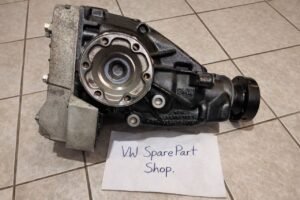
Compatibility with Automatic Transmission Models
This BMW M3 limited slip differential has been configured specifically for vehicles equipped with automatic transmissions. Because automatic drivetrain systems operate differently from manual configurations, proper compatibility becomes essential.
The differential integrates with the automatic transmission drivetrain components used in the 2008–2013 BMW E90 and E92 M3. Consequently, the vehicle maintains its intended gear ratios and drivetrain behavior after installation.
Furthermore, this compatibility ensures that electronic stability and traction systems continue functioning properly.
Approximate Mileage and Condition
This differential assembly has approximately 109,000 miles, which represents moderate usage for an OEM drivetrain component. Many BMW drivetrain parts are designed to operate reliably over long service intervals. Therefore, a well-maintained differential can continue performing effectively even at higher mileage.
Additionally, replacing a worn or damaged differential with a compatible OEM unit often restores drivetrain smoothness. Consequently, drivers may notice improved traction and reduced mechanical noise after installation.
Restoring Original BMW Driving Dynamics
The 2008–2013 E90 E92 BMW M3 Limited Slip Differential 3.15 plays a vital role in maintaining the vehicle’s signature driving characteristics. Because the component manages torque distribution between the rear wheels, it directly influences acceleration and handling.
Moreover, the differential works in conjunction with the M3’s suspension and chassis design. This coordination helps deliver the balanced performance that defines BMW’s M series vehicles.
Ultimately, the combination of OEM engineering, precision gears, and limited slip functionality allows this differential to restore factory-level performance in compatible BMW M3 models.
Performance and Handling Benefits of the 2008–2013 E90 E92 BMW M3 Limited Slip Differential 3.15
The 2008–2013 E90 E92 BMW M3 Limited Slip Differential 3.15 plays a central role in defining the performance characteristics of the E9x generation M3. While the powerful S65 V8 engine often receives the most attention, the differential ensures that this power reaches the road efficiently. Therefore, it directly influences traction, acceleration, and overall vehicle stability.
Because BMW designed the M3 platform as a performance-oriented sports sedan and coupe, every drivetrain component was engineered with precision. Consequently, the limited slip differential works alongside the transmission, suspension, and chassis systems to create the balanced driving experience for which the M3 is known.
Improved Traction During Acceleration
One of the most important benefits of the BMW M3 limited slip differential involves improved traction during acceleration. In a conventional open differential, torque is distributed equally between both wheels. However, if one wheel begins to slip, the majority of the engine’s power may be directed to that wheel.
This situation often results in reduced acceleration because the wheel with less traction spins instead of gripping the road.
The limited slip differential addresses this issue by redistributing torque between the rear wheels. When one wheel loses traction, the internal clutch mechanism directs more power to the wheel with better grip. Consequently, both wheels continue contributing to forward motion.
As a result, drivers experience stronger acceleration and better traction when launching the vehicle or applying throttle aggressively.
Enhanced Cornering Performance
Cornering performance represents another area where the E90 E92 M3 limited slip differential provides a significant advantage. During a turn, the inside and outside wheels travel different distances. Therefore, they must rotate at different speeds.
While a standard differential allows this speed difference, it does not actively manage torque distribution. However, the limited slip differential balances the torque between both wheels while still allowing independent wheel speeds.
Consequently, the rear wheels maintain traction throughout the corner. This balance allows the vehicle to exit turns more effectively because power can be applied earlier without losing grip.
Additionally, the differential improves stability when accelerating out of a corner. Because torque remains distributed between both wheels, the vehicle maintains better control during spirited driving.
Balanced Power Delivery
The 3.15 gear ratio of this BMW M3 differential contributes to balanced power delivery. Gear ratios determine how engine torque is transferred through the drivetrain. A well-matched ratio allows the engine to operate within its optimal power range.
BMW selected the 3.15 ratio to complement the characteristics of the S65 V8 engine. Consequently, the vehicle benefits from strong mid-range acceleration while maintaining comfortable highway cruising.
This balance makes the M3 suitable for both everyday driving and performance-focused use. Drivers can enjoy responsive acceleration without sacrificing long-distance comfort.
Stability in Low-Traction Conditions
Road conditions can change quickly, especially during wet or uneven driving environments. When traction decreases, vehicles equipped with open differentials may struggle to maintain control.
However, the limited slip differential improves stability in these situations. Because torque is directed toward the wheel with greater traction, the vehicle maintains forward momentum even when one wheel encounters reduced grip.
Consequently, drivers experience improved confidence when accelerating on slippery surfaces. Additionally, the differential works alongside the vehicle’s traction control systems to maintain stability.
Enhanced Driver Control
Performance driving requires precise control over the vehicle’s behavior. The BMW M3 limited slip differential supports this level of control by managing torque distribution in real time.
When the driver applies throttle while exiting a corner, the differential ensures that power reaches both rear wheels appropriately. Consequently, the vehicle accelerates smoothly rather than spinning a single tire.
This balanced power delivery allows drivers to maintain control over the vehicle’s rear end. Therefore, the M3 remains stable during aggressive driving while still delivering thrilling performance.
Supporting the M3’s Performance Heritage E90 E92 BMW Limited Slip Differential
The 2008–2013 BMW M3 continues BMW’s long tradition of building performance-focused vehicles. Every component of the drivetrain contributes to the vehicle’s dynamic capabilities. Consequently, the limited slip differential plays a crucial role in maintaining this heritage.
Because the differential improves traction, cornering stability, and acceleration, it complements the powerful engine and responsive chassis. As a result, the M3 delivers the engaging driving experience expected from BMW’s M division.
Additionally, the differential helps maintain predictable handling characteristics. Drivers therefore benefit from consistent vehicle behavior during both everyday driving and performance situations.
Restoring Performance with an OEM Differential
Over time, drivetrain components may experience wear due to mileage and stress. When a differential becomes worn, drivers may notice noise, vibration, or reduced traction performance.
Replacing a worn unit with a 2008–2013 E90 E92 BMW M3 Limited Slip Differential 3.15 can restore the vehicle’s original performance characteristics. Because the component matches factory specifications, it integrates seamlessly with the existing drivetrain.
Consequently, drivers regain the balanced acceleration and confident handling that define the BMW M3 driving experience.
Performance Benefits That Define the M3 Experience E90 E92 BMW M3 Limited Slip Differential
The BMW M3 limited slip differential represents a vital part of the vehicle’s high-performance drivetrain. Through intelligent torque distribution and a carefully selected gear ratio, the differential enhances both traction and stability.
Moreover, it ensures that the powerful S65 engine’s output reaches the road effectively. Consequently, drivers enjoy the dynamic handling and responsive acceleration that have made the E9x M3 a respected performance platform.
Ultimately, the 2008–2013 E90 E92 BMW M3 Limited Slip Differential 3.15 supports the precision engineering and driving excitement that define BMW’s M series vehicles.
Performance and Handling Benefits of the 2008–2013 E90 E92 BMW M3 Limited Slip Differential 3.15
The 2008–2013 E90 E92 BMW M3 Limited Slip Differential 3.15 plays a central role in defining the performance characteristics of the E9x generation M3. While the powerful S65 V8 engine often receives the most attention, the differential ensures that this power reaches the road efficiently. Therefore, it directly influences traction, acceleration, and overall vehicle stability m3 limited slip differential.
Because BMW designed the M3 platform as a performance-oriented sports sedan and coupe, every drivetrain component was engineered with precision. Consequently, the limited slip differential works alongside the transmission, suspension, and chassis systems to create the balanced driving experience for which the M3 is known.
Improved Traction During Acceleration
One of the most important benefits of the BMW M3 limited slip differential involves improved traction during acceleration. In a conventional open differential, torque is distributed equally between both wheels. However, if one wheel begins to slip, the majority of the engine’s power may be directed to that wheel.
This situation often results in reduced acceleration because the wheel with less traction spins instead of gripping the road m3 limited slip differential.
The limited slip differential addresses this issue by redistributing torque between the rear wheels. When one wheel loses traction, the internal clutch mechanism directs more power to the wheel with better grip. Consequently, both wheels continue contributing to forward motion m3 limited slip differential.
As a result, drivers experience stronger acceleration and better traction when launching the vehicle or applying throttle aggressively m3 limited slip differential.
Enhanced Cornering Performance 2008-2013 E90 E92 BMW M3 Limited Slip Differential
Cornering performance represents another area where the E90 E92 M3 limited slip differential provides a significant advantage. During a turn, the inside and outside wheels travel different distances. Therefore, they must rotate at different speeds.
While a standard differential allows this speed difference, it does not actively manage torque distribution. However, the limited slip differential balances the torque between both wheels while still allowing independent wheel speeds.
Consequently, the rear wheels maintain traction throughout the corner. This balance allows the vehicle to exit turns more effectively because power can be applied earlier without losing grip.
Additionally, the differential improves stability when accelerating out of a corner. Because torque remains distributed between both wheels, the vehicle maintains better control during spirited driving.
Balanced Power Delivery
The 3.15 gear ratio of this BMW M3 differential contributes to balanced power delivery. Gear ratios determine how engine torque is transferred through the drivetrain. A well-matched ratio allows the engine to operate within its optimal power range.
BMW selected the 3.15 ratio to complement the characteristics of the S65 V8 engine. Consequently, the vehicle benefits from strong mid-range acceleration while maintaining comfortable highway cruising.
This balance makes the M3 suitable for both everyday driving and performance-focused use. Drivers can enjoy responsive acceleration without sacrificing long-distance comfort.
Stability in Low-Traction Conditions
Road conditions can change quickly, especially during wet or uneven driving environments. When traction decreases, vehicles equipped with open differentials may struggle to maintain control.
However, the limited slip differential improves stability in these situations. Because torque is directed toward the wheel with greater traction, the vehicle maintains forward momentum even when one wheel encounters reduced grip.
Reviews
There are no reviews yet.