
VW GOLF MK7 MK7.5 RHD FRONT DASH DASHBOARD PANEL BARE
€250.00
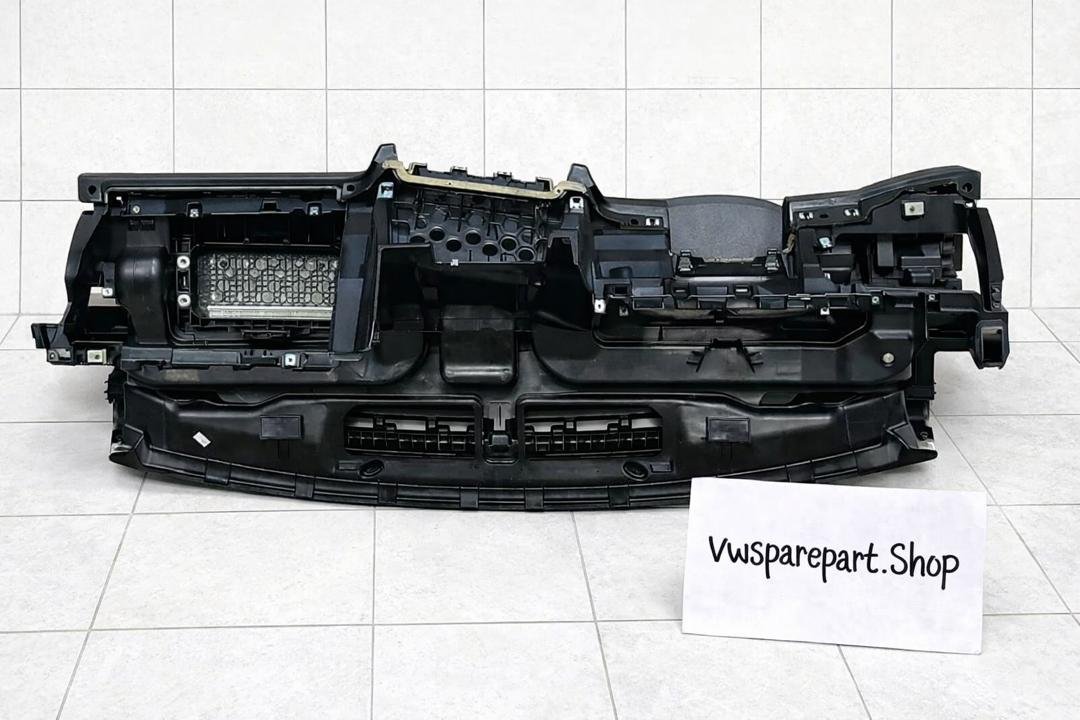
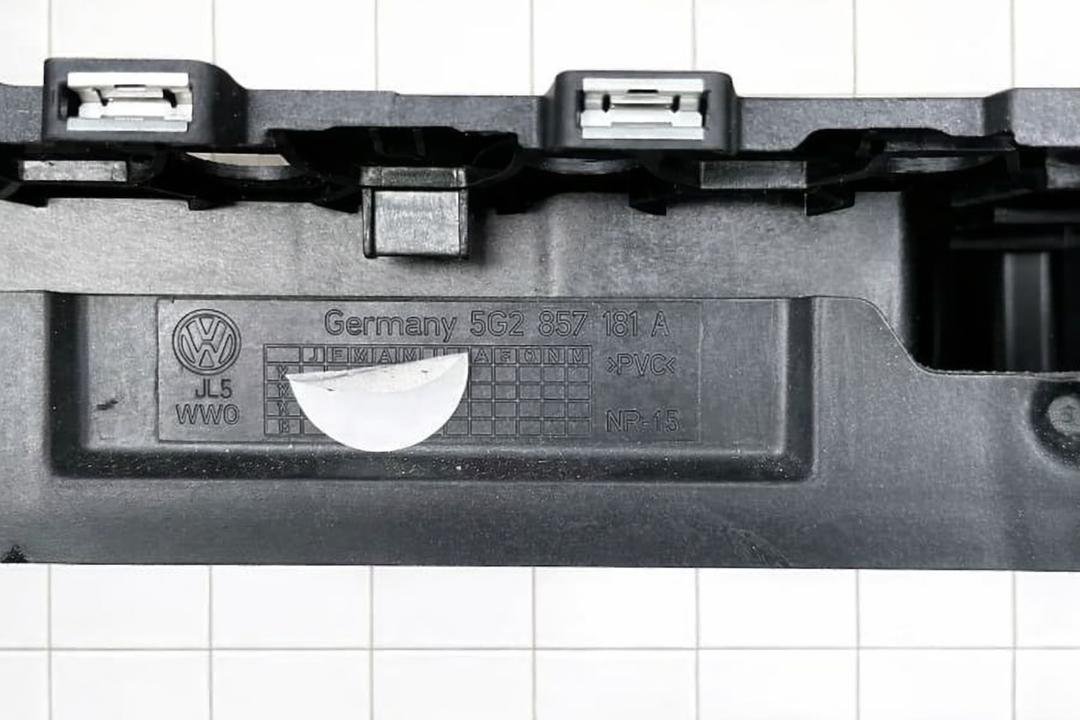
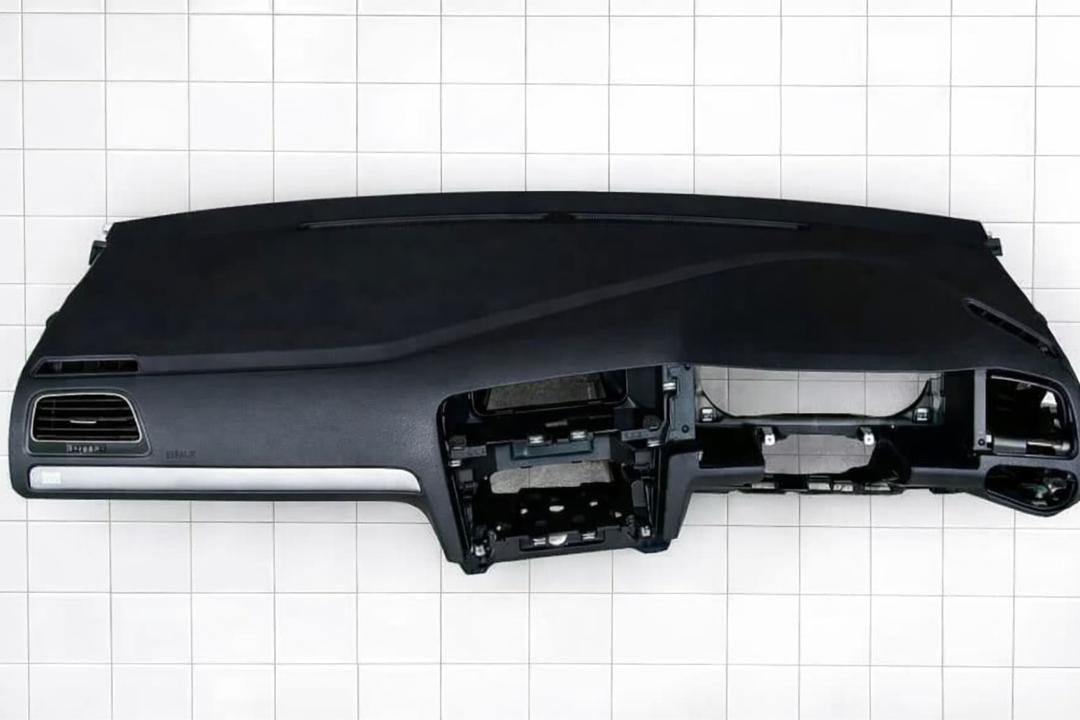
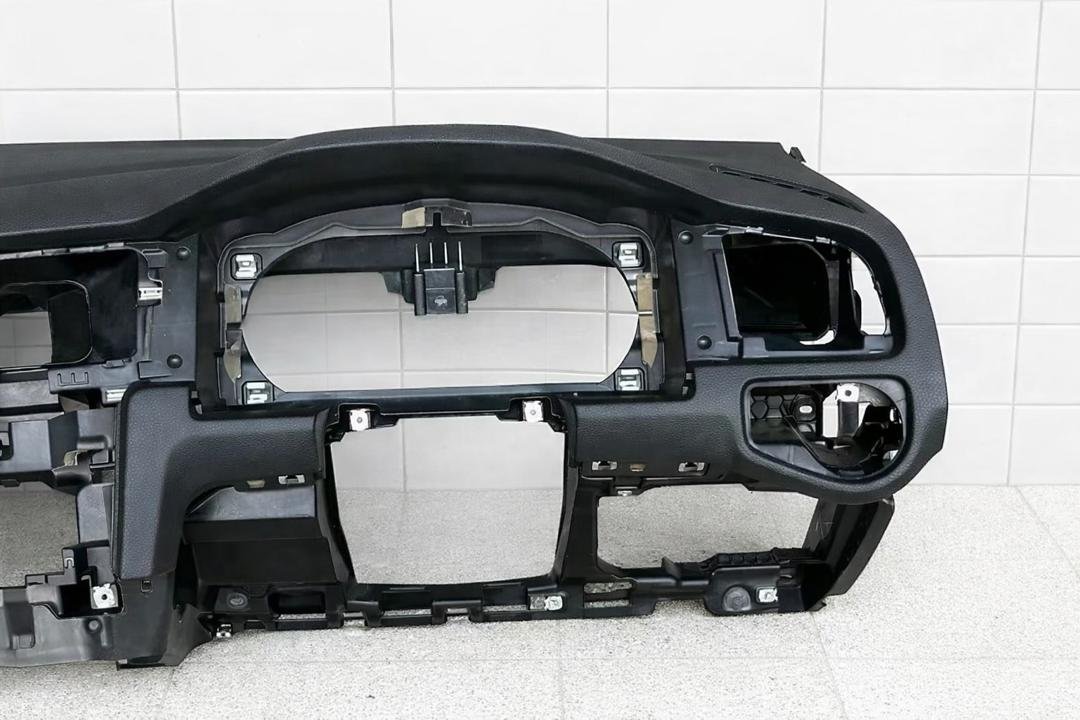
The VW Golf Mk7 / Mk7.5 RHD Front Dash Dashboard Panel – Bare is a genuine OEM interior structural component designed for right-hand-drive vehicles. This dashboard panel serves as the core foundation of the Golf’s interior layout, supporting critical systems such as ventilation ducting, infotainment mounting, instrument cluster integration, and airbag housing.
Description
VW Golf Mk7 / Mk7.5 RHD Front Dash Dashboard Panel – Bare OEM Interior Component
RHD Interior Architecture, LHD Differences, and Why Correct Orientation Matters
Interior architecture in modern vehicles is engineered around the driver’s position. In the Volkswagen Golf Mk7 and Mk7.5, this architecture changes significantly between right-hand-drive (RHD) and left-hand-drive (LHD) configurations. The VW Golf Mk7 / Mk7.5 RHD Front Dash Dashboard Panel – Bare is specifically designed to support that RHD layout without compromise mk7 5 rhd dashboard panel bare mk7 5 rhd dashboard panel bare.
Understanding these differences explains why correct orientation is critical.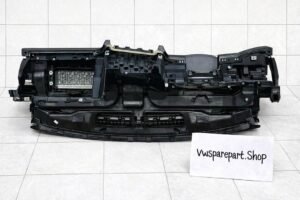
RHD vs LHD: More Than a Mirror Image
At first glance, RHD and LHD dashboards may appear to be simple mirror images. However, the internal structure tells a very different story.
In RHD vehicles, the steering column, pedal box, and driver airbag are positioned on the right side. This changes how the dashboard shell is molded, reinforced, and mounted. Airbag deployment zones, HVAC routing, and instrument alignment all shift accordingly.
Because of this, an LHD dashboard cannot be adapted safely for RHD use.
Steering Column and Structural Alignment
The dashboard panel supports the steering column through precise mounting locations and reinforcement points. In RHD models, these reinforcements are placed on the right side of the panel mk7 5 rhd dashboard panel bare.
This positioning ensures that steering loads are distributed correctly through the dashboard structure. If an incorrect dashboard orientation is used, alignment issues and structural weakness can occur mk7 5 rhd dashboard panel bare.
Therefore, using a dedicated RHD dashboard panel is essential for safety and durability mk7 5 rhd dashboard panel bare.
Instrument Cluster Positioning
The instrument cluster sits directly in front of the driver. In RHD vehicles, the cluster opening and mounting geometry are positioned on the right side of the dashboard shell mk7 5 rhd dashboard panel bare.
This placement affects not only visibility but also how wiring, sensors, and airflow are routed behind the dash. The OEM RHD panel ensures that these systems align naturally mk7 5 rhd dashboard panel bare.
As a result, installation remains clean and functional mk7 5 rhd dashboard panel bare.
Airbag Geometry and Safety Integration
Airbag systems are engineered to deploy within specific clearances and angles. The dashboard panel plays a critical role in this system mk7 5 rhd dashboard panel bare.
In RHD Golfs, the driver airbag mounts on the right side mk7 5 rhd dashboard panel bare, while the passenger airbag is positioned accordingly on the left. The internal reinforcement and tear seams within the dashboard shell are engineered for this layout.
Using an incorrect dashboard panel could compromise airbag deployment paths. Therefore mk7 5 rhd dashboard panel bare, OEM RHD design is non-negotiable mk7 5 rhd dashboard panel bare.
HVAC Routing and Airflow
HVAC ducting is routed behind the dashboard to deliver air evenly across the cabin. In RHD models, duct routing differs due to steering column placement and pedal assembly.
The dashboard shell provides molded channels and mounting points that guide airflow correctly. Using an RHD-specific panel ensures that airflow remains balanced and efficient.
This precision supports climate comfort and defrost performance.
Center Console and Interior Symmetry
The dashboard does not exist in isolation. It must align with the center console, door cards, and lower trim panels.
RHD dashboards are molded to meet these components at correct angles. This alignment ensures consistent gaps and visual balance across the interior.
Incorrect orientation would disrupt symmetry and create fitment issues.
Wiring and Electronics Management
Modern Golfs rely heavily on integrated electronics. Wiring looms, control modules, and sensors are routed behind the dashboard shell.
The RHD panel includes molded channels and anchor points designed for these looms. This prevents pinching, abrasion, and interference mk7 5 rhd dashboard panel bare.
Proper routing improves reliability and serviceability.
Why OEM RHD Panels Are Essential
Aftermarket dashboards rarely replicate the internal architecture required for RHD vehicles. Even minor deviations can cause long-term problems.
OEM panels maintain factory tolerances and safety standards. This ensures that systems function as designed.
Because of this, professional repair facilities insist on OEM RHD dashboards.
Correct Orientation Preserves Interior Integrity
Using the correct VW Golf Mk7 / Mk7.5 RHD Front Dash Dashboard Panel – Bare preserves interior integrity, safety performance, and driving ergonomics mk7 5 rhd dashboard panel bare.
Rather than forcing compatibility, the panel fits naturally mk7 5 rhd dashboard panel bare.
Foundation for the Entire Interior
The dashboard shell forms the backbone of the interior. Every component depends on its accuracy.
Choosing the correct RHD OEM panel ensures that the rest of the interior installs cleanly and functions correctly.
Mk7 vs Mk7.5 Interior Differences, Compatibility, and Trim-Level Considerations
The Volkswagen Golf Mk7 and Mk7.5 share a common interior foundation, yet important refinements were introduced during the Mk7.5 facelift. When selecting a VW Golf Mk7 / Mk7.5 RHD Front Dash Dashboard Panel – Bare, understanding these similarities and differences ensures correct fitment, functionality, and visual consistency.
Although the dashboard shell remains largely unchanged, supporting components and trim configurations can vary.
Shared Interior Architecture Across Generations
Volkswagen engineered the Mk7 and Mk7.5 Golf platforms with a shared interior structure. This design choice allowed Volkswagen to update technology and styling without redesigning the entire cabin mk7 5 rhd dashboard panel bare.
As a result, the core dashboard panel — including its structural mounting points, HVAC routing, and airbag housing — remains consistent across both generations mk7 5 rhd dashboard panel bare.
This compatibility is what allows a single OEM dashboard shell to serve both Mk7 and Mk7.5 models when paired with the correct components.
Key Differences Introduced in the Mk7.5
While the dashboard shell itself did not change significantly, the Mk7.5 facelift introduced updates to:
-
Infotainment systems
-
Digital instrument clusters (where equipped)
-
Trim finishes and accent materials
-
Control layouts and button designs
These updates affect what attaches to the dashboard, not the dashboard structure itself.
Therefore, the bare dashboard panel continues to function as a universal foundation.
Infotainment System Compatibility
One of the most visible differences between Mk7 and Mk7.5 interiors is the infotainment system. Mk7 models typically use earlier-generation displays, while Mk7.5 models may feature larger or updated screens.
The dashboard shell supports both layouts because the mounting structure behind the display remains unchanged. However, the trim bezel and display unit must match the vehicle’s original specification.
Using the correct trim ensures a clean finish.
Instrument Cluster Considerations
Some Mk7.5 models introduced digital instrument clusters. While the display itself differs, the mounting position within the dashboard remains consistent.
The OEM RHD dashboard panel supports both analog and digital clusters when used with the appropriate brackets and trim.
This flexibility simplifies upgrades and repairs.
Trim Levels and Interior Variations
Volkswagen offered multiple trim levels across Mk7 and Mk7.5 generations. These trims affect surface finishes, materials, and color schemes.
However, trim level differences do not alter the dashboard shell itself. Instead, they change:
-
Decorative trims
-
Soft-touch overlays
-
Control panel designs
The bare dashboard panel allows reuse of these trim-specific components.
Air Vent and Control Layouts
Vent designs and control panel layouts evolved slightly with the Mk7.5 update. Nevertheless, their mounting points remain standardized.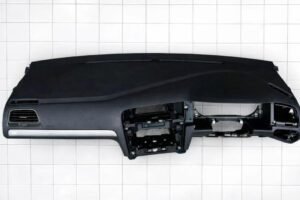
This means that vents and controls attach securely to the same dashboard shell regardless of generation.
Proper component matching ensures factory appearance.
Steering Wheel and Control Integration
Steering wheel designs and multifunction controls also evolved between generations. These changes do not affect dashboard fitment directly.
The dashboard panel accommodates steering column shrouds and controls consistently across both Mk7 and Mk7.5 models.
This compatibility preserves ergonomic alignment.
Choosing the Correct Configuration
When replacing a dashboard, it is essential to match the shell with the vehicle’s original configuration. While the shell supports multiple setups, using correct trims and components ensures the best result.
Confirming model year, trim level, and equipment before installation avoids mismatches.
Why a Bare Dashboard Is Preferred
Supplying the dashboard in bare form allows installers to transfer original components rather than adapting mismatched assemblies.
This approach preserves:
-
Original wiring compatibility
-
Correct trim alignment
-
Factory interior appearance
Professional repair facilities prefer bare dashboards for this reason.
A Flexible Foundation for Multiple Variants
The VW Golf Mk7 / Mk7.5 RHD Front Dash Dashboard Panel – Bare serves as a flexible foundation across generations and trims.
Its OEM design supports updates while maintaining core compatibility.
Compatibility Without Compromise
By using a shared dashboard shell, Volkswagen ensured longevity and adaptability in the Golf platform.
This OEM panel reflects that design philosophy, delivering compatibility without compromise.
Bare Dashboard Scope, Included Structure, and Components to Be Transferred
When purchasing a dashboard panel, understanding what is included — and what is not — is essential. The VW Golf Mk7 / Mk7.5 RHD Front Dash Dashboard Panel – Bare is supplied as a structural shell only. This approach is intentional and aligns with professional repair and restoration standards.
Knowing the scope of a bare dashboard ensures proper preparation and avoids installation delays.
What “Bare Dashboard Panel” Means
A bare dashboard panel refers to the main molded dashboard shell without any attached trim, electronics, or accessories. It forms the foundation onto which all other dashboard components are installed.
This panel includes:
-
The full structural dashboard shell
-
Factory-molded mounting points
-
Internal reinforcement ribs
-
HVAC duct routing channels
-
Airbag housing structure
It does not include any cosmetic or functional add-ons.
Components Not Included
The bare dashboard panel does not include:
-
Driver or passenger airbags
-
Wiring looms
-
Air vents or duct inserts
-
Infotainment systems
-
Instrument cluster or binnacle
-
Climate control modules
-
Decorative trims or overlays
These components are intended to be transferred from the original dashboard or replaced separately.
Why Dashboards Are Supplied Bare
Dashboards are supplied bare to ensure compatibility across trims and configurations. Including pre-installed components would limit flexibility and increase the risk of mismatched equipment.
By supplying a bare shell, installers can reuse original components that are already matched to the vehicle’s VIN and equipment level.
This approach reduces waste and improves accuracy.
Structural Features Included in the Shell
The dashboard shell includes all structural features required to support the interior. Reinforcement zones are integrated to support airbags and steering column loads.
Mounting bosses and brackets are molded into the panel, ensuring secure attachment of transferred components.
This structure is engineered to maintain rigidity while minimizing weight.
Airbag Housing and Safety Zones
Airbag housings are an integral part of the dashboard shell. The bare panel includes reinforced areas and deployment seams designed to work with factory airbag modules.
These areas must remain unmodified to ensure correct airbag operation.
OEM construction ensures compliance with safety standards.
HVAC Ducting Pathways
Although vents and ducts are not included, the dashboard shell provides molded channels for HVAC routing. These channels guide airflow to vents and defrost outlets.
Correct routing ensures balanced airflow and effective climate control.
Using an OEM shell preserves this design.
Wiring Management and Cable Routing
Modern dashboards support extensive wiring. The shell includes molded guides and attachment points to route wiring looms safely.
These features prevent chafing, pinching, or interference with moving components.
This organization improves reliability and serviceability.
Reusing Original Components
Transferring original components ensures compatibility and preserves factory calibration. Components such as sensors and control modules are already matched to the vehicle.
Reusing them reduces the need for reprogramming.
This approach also maintains interior consistency.
Preparation Before Installation
Before installation, transferred components should be inspected and cleaned. Replacing worn clips or fasteners improves fitment.
Organizing components ahead of time streamlines installation.
Preparation minimizes downtime.
Professional Preference for Bare Panels
Professional workshops prefer bare dashboards because they allow controlled assembly. This reduces errors and ensures all components are installed correctly.
Insurance repairs often require OEM bare panels for this reason.
Flexibility Across Configurations
The bare dashboard panel supports various configurations without modification. This flexibility makes it suitable for multiple trim levels and equipment packages.
Foundation for a Factory-Correct Interior
Ultimately, the bare dashboard panel serves as the foundation of the interior. Every component depends on its accuracy.
The VW Golf Mk7 / Mk7.5 RHD Front Dash Dashboard Panel – Bare delivers that accuracy without compromise.
Installation Process, Safety Considerations, and Professional Recommendations
Installing a dashboard panel is one of the most involved interior procedures on a modern vehicle. The VW Golf Mk7 / Mk7.5 RHD Front Dash Dashboard Panel – Bare is designed to install using factory methods, but because of its role in safety, electronics, and structural alignment, correct procedure is essential.
This section explains the installation process at a high level, highlights key safety considerations, and outlines best practices followed by professionals.
Pre-Installation Planning and Preparation
Before installation begins, proper planning is critical. The vehicle should be positioned indoors or in a clean, controlled environment. Interior components such as seats, center console, steering wheel, and lower dash panels typically need to be removed for access.
Because the dashboard interacts with airbags and electronics, the battery must be disconnected and allowed to discharge for a sufficient period. This step reduces the risk of accidental airbag deployment and electrical damage.
Careful labeling and organization of removed components simplifies reassembly later.
Removal of the Existing Dashboard volkswagen passat
Removing the existing dashboard requires patience and attention to detail. Fasteners are located across the windshield base, A-pillars, center tunnel, and lower supports.
Components should be removed gradually to avoid stressing wiring looms or airbag connectors. Because OEM dashboards are tightly integrated, forcing removal can damage brackets or mounting points.
Following factory service procedures minimizes risk.
Transferring Safety-Critical Components volkswagen cars
Airbags, sensors, and control modules must be transferred carefully. These components are calibrated to work with OEM mounting geometry.
The bare dashboard shell provides correct housing and reinforcement for these systems. During transfer, fasteners should be tightened to factory torque specifications to maintain safety performance.
Airbag modules should never be modified or altered during installation.
Installing the Bare Dashboard Panel
Once transferred components are ready, the bare dashboard shell is positioned into the cabin. Factory mounting points guide placement against the firewall, windshield base, and side supports.
Fasteners are installed loosely at first to allow alignment adjustments. Because the panel follows OEM geometry, it seats naturally without forcing.
Once alignment is confirmed, fasteners are tightened in sequence.
Electrical Reconnection and System Verification
After the dashboard is secured, wiring looms are routed through factory channels. Connectors must be fully seated to prevent faults mk7 5 rhd dashboard panel bare.
Before reassembling trim panels, electrical systems should be tested. This includes:
-
Instrument cluster operation
-
HVAC controls mk7 5 rhd dashboard panel bare
-
Infotainment power mk7 5 rhd dashboard panel bare
-
Warning lights and sensors mk7 5 rhd dashboard panel bare
Early testing prevents time-consuming rework later. mk7 5 rhd dashboard panel bare
Interior Reassembly and Final Fitment
Once systems are verified, trim panels, vents, and accessories are reinstalled. Panel gaps and alignment should be checked continuously during reassembly mk7 5 rhd dashboard panel bare.
Because the dashboard is OEM, trim pieces snap into place without modification . This consistency ensures a factory-correct appearance mk7 5 rhd dashboard panel bare.
Final inspection ensures that all fasteners are secure and components operate correctly mk7 5 rhd dashboard panel bare.
Safety and Airbag Compliance vw parts
Dashboards play a direct role in occupant safety. Improper installation can compromise airbag deployment paths or sensor accuracy mk7 5 rhd dashboard panel bare.
For this reason, many manufacturers recommend professional installation for dashboard replacement. Certified technicians follow procedures designed to protect both occupants and vehicle systems.
OEM dashboards are engineered to meet safety standards when installed correctly mk7 5 rhd dashboard panel bare.
Professional Installation Recommendation volkswagen atlas
Although experienced technicians and enthusiasts may perform this installation, professional installation is strongly recommended mk7 5 rhd dashboard panel bare.
Specialized tools, service information, and experience reduce risk. Additionally, professional installation may be required for insurance or warranty compliance mk7 5 rhd dashboard panel bare.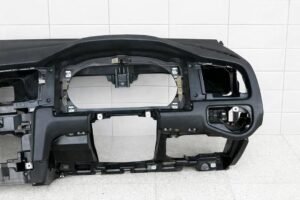
This recommendation prioritizes safety and long-term reliability. mk7 5 rhd dashboard panel bare
Long-Term Stability and Noise Prevention mk7 5 rhd dashboard panel bare
Correct installation also affects long-term comfort. Proper alignment prevents squeaks, rattles, and vibration.
OEM dashboards are designed to remain rigid when installed as intended. Correct torque and sequencing preserve that stability. mk7 5 rhd dashboard panel bare
Installation Confidence Through OEM Design volkswagen atlas
The VW Golf Mk7 / Mk7.5 RHD Front Dash Dashboard Panel – Bare installs predictably when factory procedures are followed. Mounting points align mk7 5 rhd dashboard panel bare, safety systems integrate correctly, and interior components fit as designed.
Rather than adapting the vehicle to the dashboard, the dashboard restores the vehicle to factory condition.
Reviews
There are no reviews yet.