
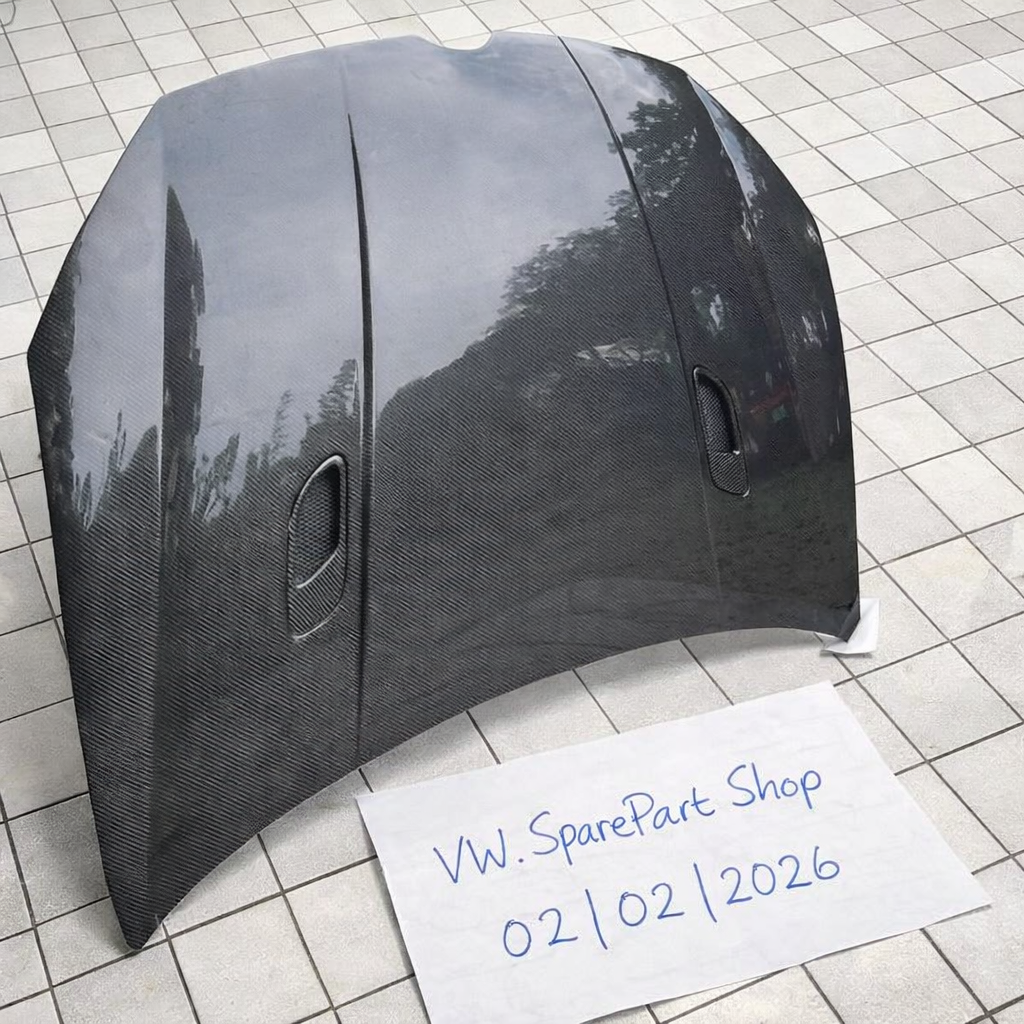
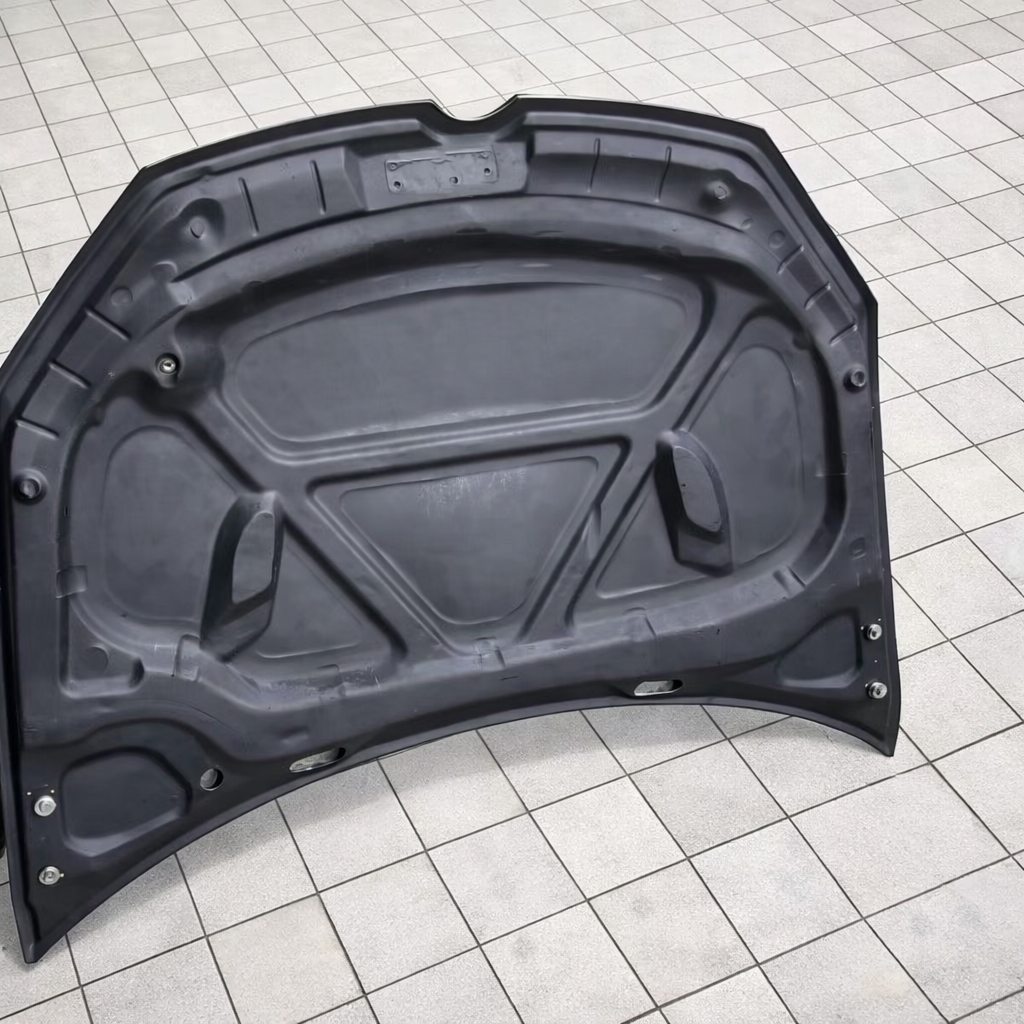
Volkswagen Carbon Bonnet
€600.00
Description
Volkswagen Carbon Bonnet – Premium Carbon Fiber Hood for Performance and Style
Introduction to the Volkswagen Carbon Bonnet
Modern automotive enthusiasts increasingly prioritize upgrades that deliver both performance improvements and visual impact. Among the most desirable modifications available for Volkswagen vehicles, the Volkswagen Carbon Bonnet stands out as a high-performance component engineered to enhance aesthetics, efficiency, and driving dynamics.
Unlike conventional steel hoods, a Volkswagen Carbon Bonnet is crafted using advanced carbon fiber materials that dramatically reduce weight while maintaining structural integrity. As a result, vehicle handling becomes more responsive, acceleration may improve, and overall driving performance feels sharper.
Moreover, carbon fiber has long been associated with professional motorsport engineering. Consequently, installing a Volkswagen carbon bonnet immediately communicates a high-performance identity while elevating the visual appeal of the vehicle.
Equally important, modern carbon fiber bonnets are designed to align with factory mounting points. Therefore, installation is typically straightforward, allowing Volkswagen owners to upgrade their vehicle without complex modifications.
Additionally, the exposed carbon fiber weave beneath a glossy protective finish creates a striking appearance. Because of this distinctive texture, the bonnet becomes one of the most visually compelling elements of the vehicle’s exterior.
Why Choose a Volkswagen Carbon Bonnet
Performance Benefits of Carbon Fiber Construction
Weight reduction plays a crucial role in vehicle performance. Therefore, replacing a factory hood with a Volkswagen Carbon Bonnet can contribute significantly to improved driving dynamics.
Traditional steel bonnets are considerably heavier. In contrast, carbon fiber materials provide exceptional strength while remaining remarkably lightweight. Consequently, the front-end weight of the vehicle is reduced.
Because the front of the vehicle influences handling characteristics, even modest weight reductions can improve cornering responsiveness and braking efficiency. Furthermore, reduced weight can support improved fuel economy during everyday driving.
Additionally, suspension components experience less strain when overall vehicle weight decreases. Over time, this reduction in stress can contribute to longer component lifespan.
For these reasons, performance enthusiasts frequently consider a Volkswagen Carbon Bonnet a foundational upgrade when optimizing their vehicle.
Motorsport-Inspired Styling
Beyond performance advantages, appearance remains an essential factor in vehicle customization. Fortunately, the Volkswagen Carbon Bonnet delivers a dramatic visual upgrade.
Carbon fiber features a distinctive woven pattern that becomes visible beneath a glossy clear coat. Because this pattern reflects light differently than painted metal surfaces, the bonnet instantly captures attention.
Furthermore, carbon fiber components have long been used in racing vehicles. Therefore, the installation of a carbon bonnet subtly reflects motorsport heritage.
In addition, many owners appreciate the contrast created between the carbon fiber hood and the surrounding body panels. As a result, the vehicle gains a more aggressive and performance-focused aesthetic.
Equally important, the bonnet can also be painted if a more subtle appearance is desired. Thus, customization options remain flexible depending on the owner’s styling preferences.
Key Features of the Volkswagen Carbon Bonnet
The Volkswagen Carbon Bonnet is designed to deliver exceptional quality, durability, and performance. The following highlights showcase the primary benefits that make this component a sought-after upgrade.
Highlighted Product Features
-
Premium carbon fiber construction engineered for maximum strength and reduced weight
-
Significant weight reduction compared to traditional steel hoods
-
Precision fitment designed specifically for Volkswagen vehicle platforms
-
UV-resistant clear coat finish protecting the carbon fiber weave
-
Enhanced vehicle handling and responsiveness through reduced front-end mass
-
Aggressive motorsport-inspired design improving visual appeal
-
Improved airflow characteristics supporting engine bay cooling
-
Corrosion-resistant materials for long-term durability
-
Factory mounting compatibility allowing straightforward installation
-
Show-quality carbon fiber weave pattern
Because these features combine structural engineering with visual design, the Volkswagen Carbon Bonnet delivers both practical and aesthetic value.
Advanced Carbon Fiber Materials
Understanding Carbon Fiber Technology
Carbon fiber represents one of the most advanced materials used in automotive manufacturing today. Unlike conventional metals, carbon fiber consists of ultra-thin strands of carbon atoms woven together to form an incredibly strong fabric.
Subsequently, this woven structure is combined with specialized resin systems during the manufacturing process. Once cured, the material becomes extremely rigid while remaining significantly lighter than steel or aluminum.
Consequently, a Volkswagen Carbon Bonnet benefits from a superior strength-to-weight ratio. This balance allows the bonnet to maintain durability while reducing unnecessary mass.
Additionally, layered fiber orientations distribute mechanical stress across the panel more evenly. Because of this structural design, carbon fiber components can withstand demanding driving conditions without compromising integrity.
Furthermore, modern manufacturing processes often utilize vacuum infusion or autoclave curing techniques. These methods remove trapped air and ensure consistent resin saturation throughout the material.
As a result, the final product achieves the high-quality finish and strength required for automotive applications.
Protective Clear Coat and Finish
While carbon fiber itself is durable, protective finishing is essential for preserving long-term appearance and performance.
Therefore, most Volkswagen Carbon Bonnet products are coated with an advanced UV-resistant clear coat.
This protective layer serves several important purposes:
First, ultraviolet radiation is prevented from damaging the resin structure. Consequently, discoloration and fading are significantly reduced.
Second, the clear coat enhances surface durability by protecting against scratches and environmental contaminants.
Third, the finish amplifies the visual depth of the carbon weave pattern. Because the fibers reflect light beneath the glossy coating, the bonnet gains a premium and sophisticated appearance.
With proper care and maintenance, this protective finish helps maintain showroom-level aesthetics for years.
Volkswagen Models Compatible with Carbon Bonnets
The Volkswagen Carbon Bonnet is commonly manufactured for several popular Volkswagen platforms. As a result, enthusiasts across multiple models can take advantage of this performance upgrade.
Common compatible models may include:
-
Volkswagen Golf GTI
-
Volkswagen Golf R
-
Volkswagen Scirocco
-
Volkswagen Jetta
-
Volkswagen Passat performance variants
-
Volkswagen Polo GTI
Because fitment varies depending on manufacturer specifications, vehicle owners are encouraged to confirm compatibility before purchasing.
Additionally, many aftermarket manufacturers design model-specific molds to ensure precise alignment with factory hinge points and latch mechanisms.
Therefore, installation can typically be completed without extensive structural modifications.
Aerodynamic Advantages of the Volkswagen Carbon Bonnet
Aerodynamics play a critical role in vehicle performance and stability. Consequently, many carbon fiber bonnets are engineered to optimize airflow.
Strategically integrated vents may be incorporated into certain designs. When airflow passes through these vents, heat generated within the engine bay can escape more efficiently.
As a result, engine temperatures may remain more stable during demanding driving conditions.
Furthermore, airflow management across the bonnet surface can help reduce front-end lift at higher speeds. Therefore, vehicle stability and control may improve.
Although aerodynamic gains vary depending on the specific design, the Volkswagen Carbon Bonnet often contributes to both cooling efficiency and performance optimization.
Installation Overview
Simple Bolt-On Installation
Installation of a Volkswagen Carbon Bonnet is generally straightforward due to compatibility with factory mounting locations.
Typical installation steps include:
-
Removing the original factory bonnet
-
Transferring hardware components such as hinges and latch mechanisms
-
Aligning the carbon bonnet with mounting points
-
Adjusting latch alignment for secure closure
-
Tightening hardware and verifying proper fitment
Because alignment is essential for safety and functionality, professional installation is often recommended. Nevertheless, experienced enthusiasts may complete the installation using standard automotive tools.
Additional Safety Considerations
Although carbon fiber bonnets are strong and durable, additional safety precautions may sometimes be recommended.
For instance, hood pins are frequently installed alongside aftermarket bonnets used in track environments. Because lightweight panels may experience aerodynamic pressure at high speeds, hood pins provide extra security.
Consequently, many performance communities consider hood pins a valuable safety enhancement when installing a Volkswagen Carbon Bonnet.
Performance Advantages of a Volkswagen Carbon Bonnet
Improved Power-to-Weight Ratio
Vehicle performance is strongly influenced by the relationship between engine power and total vehicle weight. Consequently, reducing weight has become one of the most effective strategies for improving driving dynamics.
A Volkswagen Carbon Bonnet significantly decreases the weight of the vehicle’s front section when compared with traditional steel panels. Because carbon fiber materials are engineered to be both lightweight and strong, they offer a superior strength-to-weight ratio.
Therefore, once a carbon bonnet is installed, the vehicle may benefit from improved acceleration response. In addition, braking performance may feel sharper because less mass must be slowed during deceleration.
Furthermore, improved weight distribution contributes to enhanced handling. When the front end becomes lighter, steering response often feels more precise during cornering.
As a result, drivers who install a Volkswagen Carbon Bonnet frequently notice a more agile and engaging driving experience.
Enhanced Vehicle Handling
Handling performance depends on several mechanical factors including suspension balance, tire grip, and weight distribution. Consequently, reducing weight in key areas can dramatically influence how a vehicle behaves on the road.
Because the bonnet sits over the front axle, replacing the original steel hood with a Volkswagen Carbon Bonnet reduces weight in a critical location. Therefore, the center of gravity may be slightly lowered.
Additionally, lighter front-end mass allows suspension components to respond more efficiently to road conditions. As a result, steering precision may improve and body roll can feel more controlled.
Moreover, track enthusiasts appreciate how lighter body panels can enhance vehicle balance during high-speed cornering.
For these reasons, performance upgrades often begin with carbon fiber components such as the Volkswagen Carbon Bonnet.
Volkswagen Carbon Bonnet vs Traditional Steel Bonnet
Weight Comparison
Traditional steel bonnets have been widely used in automotive manufacturing for decades. Although steel offers durability, it also adds significant weight to the vehicle.
By contrast, a Volkswagen Carbon Bonnet is engineered to reduce mass without compromising strength.
Typical Weight Comparison
-
Steel bonnet: 18–25 kg (approx.)
-
Aluminum bonnet: 12–16 kg (approx.)
-
Carbon fiber bonnet: 6–10 kg (approx.)
Because of this difference, replacing a factory steel hood with carbon fiber can remove up to 50% of the original weight.
Consequently, the benefits extend beyond aesthetics and contribute directly to improved vehicle performance.
Durability and Corrosion Resistance
Another advantage of carbon fiber construction is resistance to corrosion.
Steel panels are vulnerable to rust when exposed to moisture and road salt over time. Although protective coatings help reduce this risk, corrosion can still develop under certain conditions.
However, a Volkswagen Carbon Bonnet is manufactured using carbon fiber and resin materials that are naturally resistant to rust.
Therefore, long-term durability may be improved, particularly in climates where vehicles are frequently exposed to rain, humidity, or winter road treatments.
Additionally, the clear protective coating applied to carbon fiber helps shield the material from environmental exposure.
As a result, both structural integrity and visual appearance can be preserved for extended periods.
Design and Styling Benefits
Aggressive Motorsport Appearance
Vehicle customization often reflects the personality and preferences of the driver. Consequently, many Volkswagen enthusiasts seek upgrades that emphasize performance styling.
A Volkswagen Carbon Bonnet provides a distinctive appearance due to the unique carbon fiber weave pattern. Because the fibers are layered in intricate patterns, the finished surface creates depth and visual texture.VW carbon bonnet
Furthermore, the glossy clear coat enhances the contrast between light and shadow across the fiber pattern.
As a result, the bonnet becomes an immediate focal point of the vehicle’s design.
Additionally, motorsport influence is clearly communicated through carbon fiber components. Since racing vehicles frequently use carbon materials, installing a Volkswagen Carbon Bonnet subtly references high-performance engineering.VW carbon bonnet
Customization Possibilities
Vehicle owners often appreciate flexibility when modifying their cars. Fortunately, the Volkswagen Carbon Bonnet offers multiple customization options.
For instance, the bonnet may be left exposed to display the carbon fiber weave. Alternatively, the panel can be partially or fully painted to match the vehicle’s color scheme.
Common customization approaches include:
-
Exposed carbon center with painted edges
-
Fully painted bonnet with hidden carbon structure
-
Matte carbon fiber finish
-
Gloss carbon fiber motorsport style
Because carbon fiber surfaces can be refinished, the design can evolve alongside other vehicle modifications.
Manufacturing Process of the Volkswagen Carbon Bonnet
Precision Molding Techniques
The production of a Volkswagen Carbon Bonnet involves advanced manufacturing methods designed to ensure accuracy and structural consistency.
First, carbon fiber sheets are carefully layered within a precision mold that replicates the shape of the original factory bonnet. Subsequently, specialized resin is applied to bond the layers together.
Next, the panel undergoes controlled curing using vacuum infusion or autoclave processes. These techniques eliminate air pockets while ensuring the resin evenly saturates the fiber layers.
Consequently, the final component achieves exceptional rigidity and durability.
Furthermore, precision trimming and finishing processes are performed after curing to ensure accurate fitment.
Because of these advanced techniques, high-quality carbon bonnets are able to meet demanding automotive standards.
Quality Control and Inspection
Manufacturers typically implement strict inspection procedures to ensure consistent quality.
Each Volkswagen Carbon Bonnet may undergo several evaluation stages, including:
-
Structural integrity testing
-
Surface inspection for fiber consistency
-
Fitment verification
-
Clear coat finish evaluation
Because automotive components must meet safety and durability expectations, quality control is essential throughout the production process.
As a result, customers receive a product that performs reliably while maintaining premium appearance.
Heat Management Benefits
Improved Engine Bay Cooling
Engine performance can be affected by excessive heat buildup within the engine bay. Consequently, improved ventilation can contribute to better thermal management.
Some Volkswagen Carbon Bonnet designs incorporate integrated ventilation openings or heat extraction vents.
When airflow enters the front of the vehicle, hot air generated by the engine can escape through these openings.
Therefore, engine bay temperatures may remain more stable during aggressive driving conditions.
Additionally, improved heat dissipation may contribute to greater engine efficiency during performance driving.
Supporting High-Performance Modifications
Many Volkswagen owners modify their vehicles with performance upgrades such as turbochargers, intercoolers, or aftermarket exhaust systems.
Because these components can increase engine temperatures, improved airflow becomes increasingly important.
Installing a Volkswagen Carbon Bonnet with ventilation features can help support these upgrades by enhancing heat management.
Consequently, performance tuning modifications can operate more efficiently when proper cooling is maintained.
Environmental and Efficiency Benefits
Lightweight Materials and Fuel Efficiency
Fuel efficiency is influenced by multiple factors including aerodynamics, engine efficiency, and vehicle weight.
Although the difference may appear modest, reducing vehicle mass can contribute to improved fuel consumption over time.
Because a Volkswagen Carbon Bonnet weighs significantly less than steel alternatives, it supports a lighter vehicle profile.
Therefore, incremental efficiency gains may occur during everyday driving conditions.
Furthermore, lightweight components reduce mechanical strain on various vehicle systems, including suspension and braking components.
As a result, long-term vehicle efficiency may improve alongside performance enhancements.
Frequently Asked Questions About Volkswagen Carbon Bonnet
What Is a Volkswagen Carbon Bonnet?
A Volkswagen Carbon Bonnet is a lightweight hood made from carbon fiber materials instead of traditional steel or aluminum. Because carbon fiber offers a superior strength-to-weight ratio, the bonnet reduces front-end vehicle weight while maintaining structural durability. Consequently, vehicle performance, handling, and overall efficiency may improve.Volkswagen carbon fiber bonnet
Additionally, the distinctive carbon fiber weave provides a premium motorsport-inspired appearance that enhances the visual identity of Volkswagen vehicles.Volkswagen carbon hood
What Are the Benefits of Installing a Volkswagen Carbon Bonnet?
Several advantages are associated with installing a Volkswagen Carbon Bonnet, particularly for drivers seeking performance upgrades and styling improvements.Volkswagen carbon hood
Key Benefits
-
Reduced vehicle weight
-
Improved handling and responsiveness
-
Enhanced acceleration due to better power-to-weight ratio
-
Motorsport-inspired visual design
-
Increased resistance to rust and corrosion
-
Potential improvement in engine bay cooling
-
Premium carbon fiber aesthetics
Because these benefits combine performance and style, carbon bonnets are popular among Volkswagen enthusiasts and performance tuners.
Does a Carbon Bonnet Improve Vehicle Performance?
Yes, a Volkswagen Carbon Bonnet can improve vehicle performance by reducing weight in the front section of the vehicle. When front-end weight decreases, steering response and handling may improve.
Furthermore, reduced mass allows the vehicle to accelerate more efficiently and may slightly improve braking performance. Although the performance gains vary depending on the vehicle setup, carbon fiber components are widely used in motorsport for this reason.
Is a Volkswagen Carbon Bonnet Durable?
Carbon fiber materials are known for their exceptional strength and durability. Therefore, a Volkswagen Carbon Bonnet can withstand demanding driving conditions when manufactured using high-quality materials.
Additionally, protective clear coats are typically applied to prevent UV damage and surface wear. As a result, the bonnet maintains both structural integrity and appearance for extended periods when properly maintained.
Will the Carbon Bonnet Fit My Volkswagen Model?
Compatibility depends on the specific Volkswagen model and production year. Most manufacturers produce model-specific Volkswagen Carbon Bonnets designed for precise fitment.
Common compatible models may include:
-
Volkswagen Golf GTI
-
Volkswagen Golf R
-
Volkswagen Scirocco
-
Volkswagen Jetta
-
Volkswagen Polo GTI
-
Volkswagen Passat performance variants
Because fitment may vary between manufacturers, verifying compatibility before purchasing is recommended.
Can a Volkswagen Carbon Bonnet Be Painted?
Yes, a Volkswagen Carbon Bonnet can be painted if a custom appearance is preferred. Many vehicle owners choose to keep the carbon fiber exposed because the weave pattern provides a distinctive look.
However, painting the bonnet allows it to match the vehicle’s body color while still benefiting from the lightweight carbon fiber structure. Additionally, partial paint designs are also common for customized styling.
Does a Carbon Bonnet Require Special Maintenance?
Although carbon fiber is durable, regular maintenance helps preserve its appearance and performance.
Recommended Maintenance Practices
-
Wash with mild automotive shampoo
-
Avoid abrasive cleaning products
-
Apply protective wax or ceramic coating
-
Inspect mounting points periodically
-
Store the vehicle in covered areas when possible
Because protective clear coats shield the carbon fiber weave, proper care ensures long-term durability.
Are Hood Pins Necessary for a Volkswagen Carbon Bonnet?
Hood pins are sometimes recommended for additional safety, particularly in high-performance or track driving environments.VW carbon fiber hood upgrade
Although many Volkswagen Carbon Bonnets are designed to work with factory latch mechanisms, hood pins provide extra security by preventing unintended hood movement at high speeds.
Consequently, some drivers install hood pins for added peace of mind.
How Much Weight Can a Carbon Bonnet Save?
Weight savings depend on the specific vehicle model and bonnet design. However, replacing a traditional steel hood with a Volkswagen Carbon Bonnet can often reduce weight by 30% to 60%.
For example:
-
Steel bonnet: approximately 18–25 kg
-
Carbon fiber bonnet: approximately 6–10 kg
Because this reduction occurs in the front section of the vehicle, handling improvements may become noticeable.
Does a Volkswagen Carbon Bonnet Improve Fuel Efficiency?
Although the improvement may be modest, reducing vehicle weight can contribute to improved fuel efficiency.
Because the Volkswagen Carbon Bonnet reduces overall mass, the engine may require slightly less energy to move the vehicle. Consequently, incremental fuel efficiency gains may occur over time.
However, fuel consumption also depends on driving style, engine configuration, and other vehicle modifications.
Is Installation of a Volkswagen Carbon Bonnet Difficult?
Installation is generally straightforward because most carbon bonnets are designed to use factory mounting points.
Typical installation steps include:
-
Removing the original bonnet
-
Transferring hinges and latch hardware
-
Aligning the carbon bonnet
-
Securing mounting bolts
-
Adjusting latch alignment
Although experienced enthusiasts may perform the installation independently, professional installation is often recommended to ensure precise alignment and safety.
Is a Volkswagen Carbon Bonnet Worth the Investment?
For many Volkswagen owners, a Volkswagen Carbon Bonnet represents a valuable upgrade that enhances both performance and aesthetics.
Because the bonnet reduces weight, improves handling, and delivers an aggressive motorsport-inspired appearance, it appeals to drivers seeking both functionality and visual impact.
Additionally, carbon fiber components often increase the perceived value of a modified vehicle within enthusiast communities.
Where Can I Buy a High-Quality Volkswagen Carbon Bonnet?
High-quality Volkswagen Carbon Bonnets are available through specialized automotive performance retailers and aftermarket parts suppliers.
When purchasing, buyers should consider:
-
Manufacturer reputation
-
Material quality
-
Fitment accuracy
-
Warranty coverage
-
Customer reviews
Because these factors influence product reliability, purchasing from trusted automotive suppliers is recommended.
Additional information
| Model | Volkswagen Golf GTI, Volkswagen Golf R, Volkswagen Scirocco, Volkswagen Jetta, Volkswagen Passat performance variants, Volkswagen Polo GTI |
|---|
Related products
-
Brand New VW AG Akrapovic Exhaust
€600.00Select options This product has multiple variants. The options may be chosen on the product page -
-

-
Reviews
There are no reviews yet.