
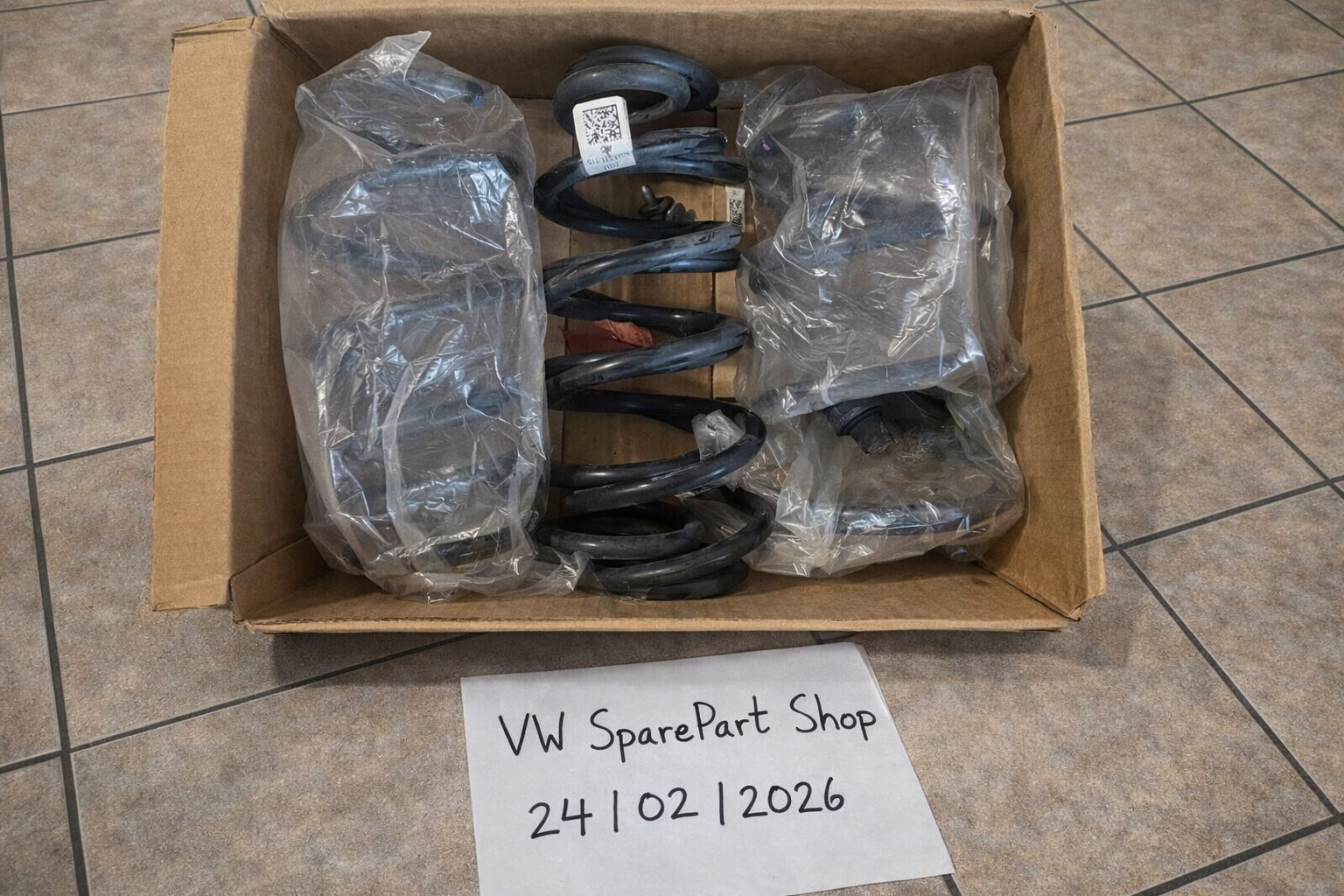
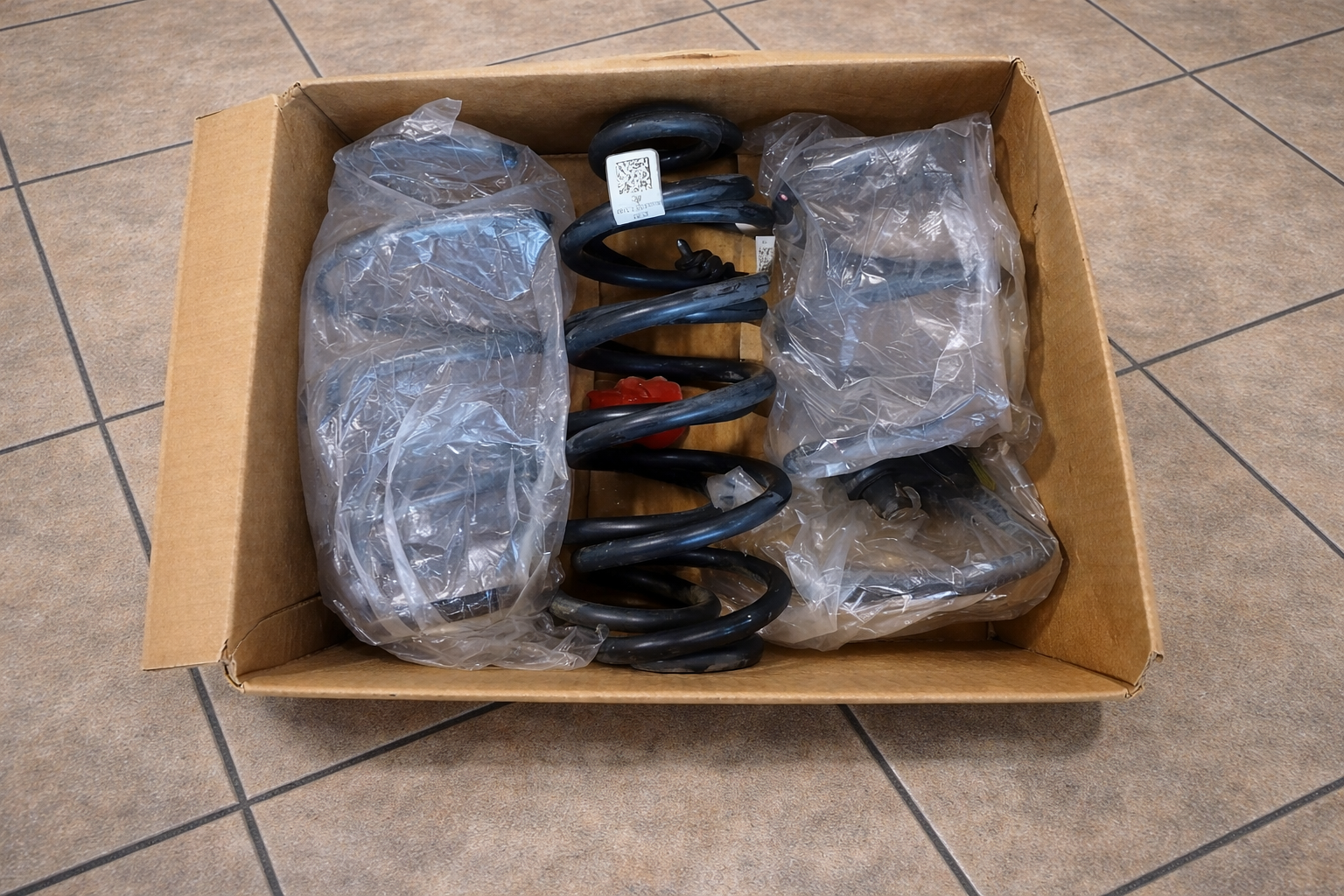
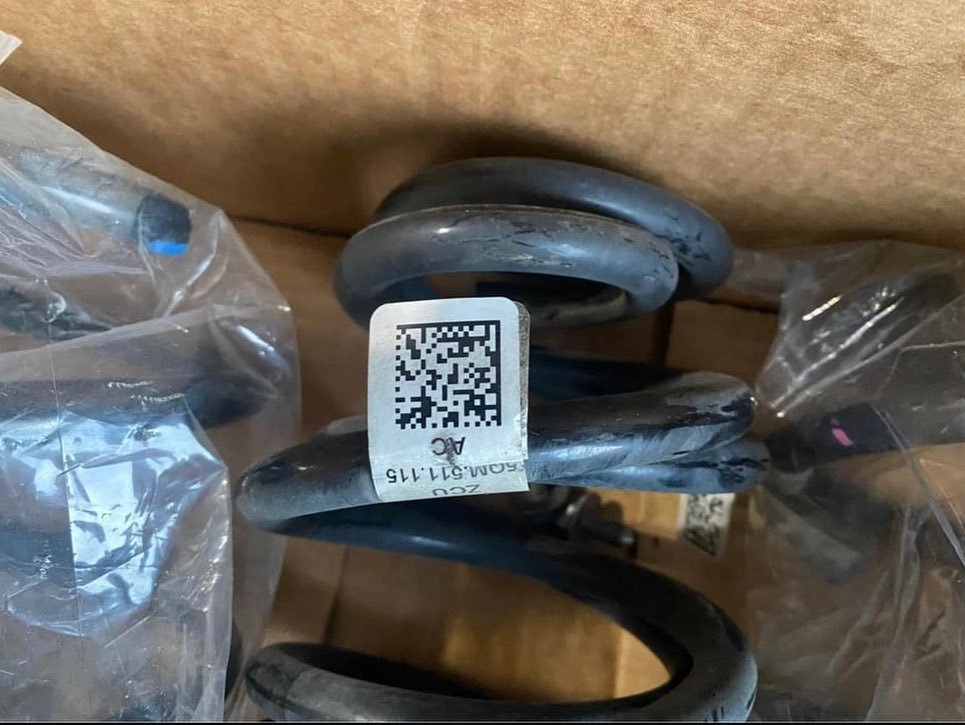
Volkswagen Golf Spring
€500.00
Description
Volkswagen Golf Spring – Engineered Precision for Superior Suspension Performance


Performance begins where the road meets the suspension. Exceptional ride quality is achieved when the correct Volkswagen Golf spring is installed. Enhanced stability, improved comfort, and optimized handling are delivered through precision-engineered coil technology designed specifically for the Volkswagen Golf platform.
Unlike generic aftermarket components, this Volkswagen Golf spring has been calibrated to maintain factory ride height, restore suspension balance, and support long-term structural durability. Because proper load distribution is ensured, safer driving dynamics are experienced across urban roads, highways, and varied terrain.
Designed for everyday drivers.
Trusted by performance enthusiasts.
Engineered for inclusive mobility and confidence.
Understanding the Role of a Volkswagen Golf Spring in Suspension Systems
Within every suspension system, controlled energy absorption is required. In the case of the Volkswagen Golf, the spring component serves as the primary load-bearing and shock-absorbing mechanism.
Rather than allowing road impact to transfer directly into the chassis, compression forces are absorbed and redistributed. As a result, smoother transitions over bumps and uneven surfaces are maintained.
More importantly, consistent tire-to-road contact is preserved. Therefore, braking response, steering precision, and cornering control are significantly improved.
Core Functions of a Volkswagen Golf Spring
-
Vehicle weight support
-
Road shock absorption
-
Ride height regulation
-
Load balance stabilization
-
Suspension geometry alignment
Because suspension integrity influences overall vehicle safety, the correct Volkswagen Golf spring must be selected carefully.
Why Replacing a Worn Volkswagen Golf Spring Matters
Over time, metal fatigue can develop. Gradual compression cycles cause elasticity to weaken. Consequently, ride performance may decline without obvious warning signs.
When a worn Volkswagen Golf spring remains installed:
-
Uneven ride height may be observed
-
Excessive bouncing could occur
-
Tire wear patterns may become irregular
-
Suspension noise might increase
-
Handling responsiveness may decline
Therefore, proactive replacement protects both driving comfort and mechanical reliability.
Advanced Engineering Behind Our Volkswagen Golf Spring
Superior metallurgy is utilized. Precision coiling technology is applied. Structural integrity is rigorously tested.
As a result, dependable suspension performance is delivered under diverse driving conditions.
High-Tensile Alloy Steel Construction
Strength and elasticity are balanced through advanced steel composition. Because fatigue resistance is prioritized:
-
Structural deformation is minimized
-
Long-term compression resilience is maintained
-
Heavy vehicle loads are supported reliably
Corrosion-Resistant Protective Coating
Environmental exposure is inevitable. Moisture, debris, and road salt can accelerate deterioration.
Therefore, a durable anti-corrosion finish is applied, ensuring:
-
Extended service life
-
Consistent performance
-
Reduced surface degradation
Precision-Calibrated Spring Rate
Balanced compression and rebound characteristics are engineered to match Volkswagen Golf specifications. Consequently:
-
Ride comfort remains smooth
-
Cornering stability is reinforced
-
Suspension harmonization is achieved
Compatibility Across Volkswagen Golf Generations
Vehicle-specific engineering ensures proper integration with factory suspension systems. Because model variations exist, compatibility has been structured carefully.
This Volkswagen Golf spring is suitable for:
-
Volkswagen Golf Mk4
-
Volkswagen Golf Mk5
-
Volkswagen Golf Mk6
-
Volkswagen Golf Mk7
-
Select Volkswagen Golf Mk8 configurations
Verification by year, engine type, and trim level is recommended to guarantee precise fitment.
Front vs Rear Volkswagen Golf Spring – Key Differences
Balanced suspension performance requires coordinated front and rear spring systems.
Front Volkswagen Golf Spring
Greater structural demand is placed on the front suspension due to engine weight and braking force transfer.
Therefore, front springs are engineered to:
-
Support engine mass
-
Manage steering input forces
-
Stabilize braking compression
Rear Volkswagen Golf Spring
Passenger weight and cargo load are distributed toward the rear axle.
As a result, rear springs are optimized to:
-
Maintain balanced posture
-
Improve load-bearing capability
-
Enhance rear stability
When both ends operate in harmony, predictable handling and smoother ride quality are achieved.
Performance and Lowering Volkswagen Golf Spring Options
Driving style influences suspension preferences. Because customization options exist, drivers can select springs tailored to specific goals.
Standard OEM-Equivalent Springs
Factory ride height is restored. Comfort balance is preserved. Daily drivability is prioritized.
Lowering Springs
Reduced ride height is engineered intentionally. Consequently:
-
Center of gravity is lowered
-
Body roll is minimized
-
Aerodynamic aesthetics are enhanced
Performance-Tuned Springs
Increased stiffness supports spirited driving conditions. Therefore:
-
Cornering sharpness is improved
-
Track performance is strengthened
-
Steering response feels more direct
However, ride firmness may be more noticeable compared to standard springs.
Highlight Features – Volkswagen Golf Spring Product Listing
✅ OEM-Specification Fitment for Volkswagen Golf
✅ High-Tensile Alloy Steel Construction
✅ Precision-Calibrated Spring Rate
✅ Corrosion-Resistant Protective Coating
✅ Restores Factory Ride Height
✅ Improves Cornering Stability
✅ Reduces Excessive Suspension Bounce
✅ Enhances Long-Term Durability
✅ Compatible with Multiple Golf Generations
✅ Designed for Inclusive Driving Needs
Installation Overview and Best Practices
Professional installation is strongly recommended. Specialized tools such as spring compressors are typically required.
During installation:
-
The vehicle is elevated securely.
-
Suspension assemblies are accessed.
-
Existing worn springs are removed.
-
New Volkswagen Golf springs are compressed and installed.
-
Alignment inspection is performed.
After installation, suspension settling may occur during initial driving cycles. Therefore, a follow-up inspection can be beneficial.
Benefits of Choosing a High-Quality Volkswagen Golf Spring
Performance improvements are noticeable immediately after replacement. Because structural stability is restored, driver confidence increases naturally.
Improved Ride Comfort
Road vibrations are absorbed more effectively. Consequently, cabin smoothness is enhanced.
Enhanced Handling Precision
Balanced load transfer supports sharper steering feedback. Therefore, improved cornering control is experienced.
Increased Safety Confidence
Consistent tire contact contributes to braking stability. As a result, predictable stopping performance is supported.
Long-Term Suspension Health
When quality springs are installed, stress on shocks and struts is reduced. Consequently, adjacent suspension components may experience extended lifespan.
Frequently Asked Questions – Volkswagen Golf Spring
How long does a Volkswagen Golf spring typically last?
Under normal driving conditions, replacement may be required between 80,000 and 100,000 miles. However, environmental factors and driving habits influence longevity.
Should both springs be replaced simultaneously?
Yes, balanced performance is achieved when springs are replaced in pairs.
Can driving with a broken spring cause damage?
Yes, excessive strain may be placed on shocks, tires, and suspension joints if replacement is delayed.
Is wheel alignment necessary after installation?
Alignment inspection is recommended to preserve tire life and handling accuracy.
Inclusive Suspension Performance for Every Driver
Every driver deserves reliable suspension performance. Whether commuting daily, transporting family members, or enjoying performance driving, consistent stability must be accessible to all.
Because inclusive engineering standards are prioritized, the Volkswagen Golf spring supports diverse mobility needs without compromising safety or comfort.
Restore Your Volkswagen Golf Suspension Today
Driving dynamics are transformed when suspension integrity is restored. Stability is strengthened when precision components are installed. Comfort is enhanced when vibration is controlled effectively.
Upgrade your vehicle with a premium Volkswagen Golf spring engineered for durability, performance, and long-term reliability.
Because better balance creates better journeys — and every journey deserves confidence.
Advanced Engineering Analysis of the Volkswagen Golf Spring


Precision metallurgy defines long-term suspension durability. Structural elasticity determines ride consistency. Mechanical load management ensures vehicle safety.
Because the Volkswagen Golf spring operates under continuous compression cycles, advanced material science is required. Unlike decorative components, suspension springs endure dynamic forces thousands of times per mile.
Therefore, engineering standards must exceed ordinary structural expectations.
Metallurgy and Material Science Behind the Volkswagen Golf Spring
High-performance coil springs are not manufactured from generic steel. Instead, specialized high-carbon or alloyed spring steel is utilized to achieve optimal tensile strength and elasticity retention.
Within the suspension architecture of the Volkswagen Golf, consistent stress resistance is mandatory. Consequently, specific metallurgical processes are applied.
1. High-Tensile Alloy Composition
Carefully selected alloys enhance:
-
Yield strength
-
Fatigue resistance
-
Elastic recovery rate
-
Structural memory
Because suspension springs must compress and return to original height repeatedly, elastic deformation limits must remain controlled.
2. Heat Treatment Process
After coiling, controlled heat treatment is applied. As a result:
-
Internal stress is reduced
-
Grain structure is stabilized
-
Load-bearing capacity is improved
Through tempering and quenching cycles, the molecular structure is reinforced for long-term durability.
3. Shot Peening Reinforcement
Surface compressive stress is introduced through shot peening. Therefore:
-
Micro-fractures are minimized
-
Crack propagation resistance is enhanced
-
Fatigue lifespan is extended
This treatment significantly improves endurance under repetitive compression cycles.
Spring Rate and Load Calculations for Volkswagen Golf Spring
Mechanical performance is governed by measurable specifications. Because suspension tuning affects driving behavior directly, understanding spring rate is essential.
What Is Spring Rate?
Spring rate refers to the force required to compress the spring by a specific distance. It is typically measured in:
-
N/mm (Newtons per millimeter)
-
lb/in (Pounds per inch)
A higher spring rate results in firmer ride characteristics. Conversely, a lower spring rate prioritizes comfort.
How Spring Rate Is Calculated
The formula for coil spring rate is:
k=Gd48nD3k = \frac{Gd^4}{8nD^3}
Where:
-
k = spring rate
-
G = shear modulus of the material
-
d = wire diameter
-
n = number of active coils
-
D = mean coil diameter
Because small dimensional variations affect stiffness dramatically, precision manufacturing tolerances are critical.
Load Distribution in the Volkswagen Golf Suspension System
Weight transfer occurs during acceleration, braking, and cornering. Therefore, front and rear Volkswagen Golf springs are engineered with distinct load capacities.
Front Axle Load Characteristics
-
Engine mass concentration
-
Braking force transfer
-
Steering pivot stress
Consequently, front springs typically exhibit higher load tolerance.
Rear Axle Load Characteristics
-
Passenger distribution
-
Cargo weight support
-
Rear-end stability control
Balanced spring calibration ensures neutral vehicle posture under dynamic conditions.
Progressive vs Linear Volkswagen Golf Spring Design
Different driving objectives require different coil structures.
Linear Springs
Uniform coil spacing is maintained. Therefore:
-
Spring rate remains constant
-
Predictable compression behavior is delivered
-
Balanced daily driving comfort is supported
Progressive Springs
Variable coil spacing is engineered. As a result:
-
Initial compression remains softer
-
Increased stiffness activates under heavier load
-
Improved cornering support is achieved
For drivers seeking both comfort and performance, progressive Volkswagen Golf springs often provide optimal compromise.
Fatigue Life and Durability Testing
Suspension springs are subjected to cyclical fatigue testing. Because failure prevention is essential, simulated road conditions are replicated in laboratory environments.
Testing protocols include:
-
Repetitive compression cycles exceeding 1 million iterations
-
Corrosion exposure simulation
-
Load endurance validation
-
Dimensional tolerance verification
As a result, long-term structural integrity is validated before market release.
Lowering Volkswagen Golf Spring – Technical Considerations
Ride height modification alters suspension geometry. Therefore, engineering balance must be preserved carefully.
Effects of Lowering
When lowering springs are installed:
-
Center of gravity is reduced
-
Aerodynamic drag may decrease
-
Body roll is minimized
However, suspension travel distance is shortened. Consequently, shock absorber compatibility must be evaluated.
Camber and Alignment Impact
Lower ride height influences camber angles. As a result:
-
Tire wear patterns may shift
-
Alignment adjustment becomes necessary
-
Handling characteristics change
Therefore, post-installation alignment calibration is strongly recommended.
OEM vs Aftermarket Volkswagen Golf Spring
Component selection influences ride outcome significantly.
OEM-Equivalent Springs
-
Designed to match factory ride height
-
Calibrated for comfort balance
-
Ideal for standard daily driving
Performance Aftermarket Springs
-
Increased stiffness for aggressive handling
-
Reduced ride height options available
-
Enhanced cornering dynamics
Selection should align with driving priorities and vehicle use patterns.
Corrosion Protection Technologies
Environmental durability is often underestimated. However, exposure to moisture, road salt, and debris accelerates degradation.
Therefore, advanced protective coatings are applied, including:
-
Epoxy powder coating
-
Phosphate pre-treatment
-
Multi-layer anti-corrosion finishing
These measures ensure structural integrity under diverse climate conditions.
Common Failure Modes of Volkswagen Golf Springs
Although engineered for longevity, failure scenarios can occur.
1. Metal Fatigue Fracture
Repeated stress cycles cause microscopic cracking.
2. Corrosion-Induced Weakness
Surface rust accelerates structural degradation.
3. Overload Stress
Excessive cargo or impact forces exceed tolerance limits.
Regular inspection reduces risk of unexpected failure.
Performance Optimization Strategy
When upgrading a Volkswagen Golf spring, a holistic suspension evaluation is recommended.
Because suspension components operate as an integrated system:
-
Shock absorbers should be inspected
-
Strut mounts should be evaluated
-
Control arm bushings should be assessed
-
Alignment geometry should be verified
Balanced system upgrades ensure optimal driving performance.
Long-Term Value and Investment Consideration
Suspension health directly impacts:
-
Tire longevity
-
Fuel efficiency stability
-
Braking predictability
-
Cabin comfort quality
Therefore, selecting a high-quality Volkswagen Golf spring is not merely a component purchase — it is a long-term vehicle investment.
Technical Specification Overview – Volkswagen Golf Spring
✅ Precision-Engineered Spring Rate Calibration
✅ High-Tensile Heat-Treated Alloy Steel
✅ Shot-Peened Surface Reinforcement
✅ Corrosion-Resistant Protective Coating
✅ Fatigue-Tested for Long-Term Durability
✅ Compatible with Multiple Volkswagen Golf Generations
✅ OEM and Performance Variants Available
✅ Designed for Inclusive Driving Needs
Engineering Confidence for Every Road
Every mile generates compression cycles. Every corner produces lateral force. Every brake application shifts weight forward.
Because the Volkswagen Golf spring absorbs and redistributes these forces continuously, its engineering precision determines ride quality and safety reliability.
Choose durability.
Choose calibrated performance.
Choose suspension integrity designed to support every driver.
Volkswagen Golf Spring Buying Guide – Expert Tips for Smart Selection


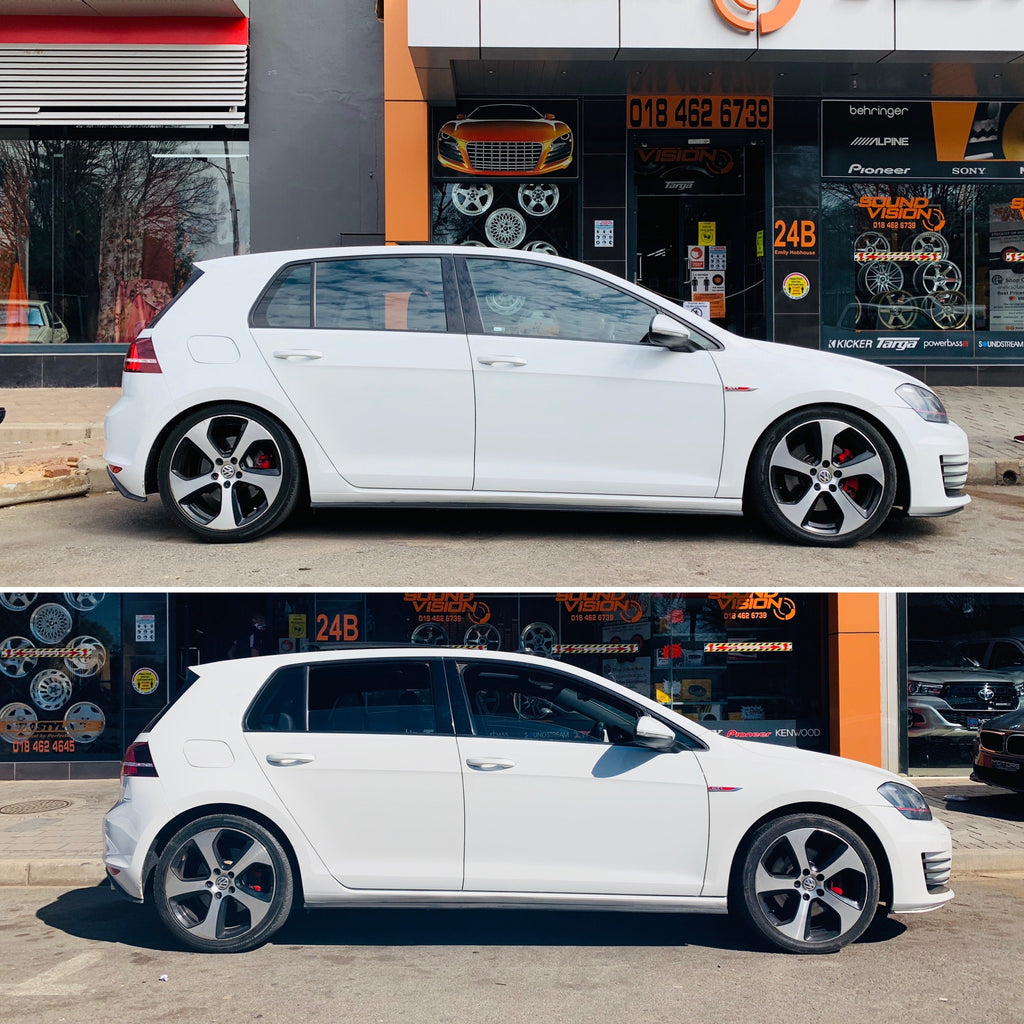
Choosing the correct Volkswagen Golf spring requires more than matching a model year. Suspension performance influences safety, comfort, and long-term vehicle stability. Therefore, structured decision-making improves outcomes.
Below are practical, expert-backed tips designed to help every driver make an informed and confident choice.
🔧 Tip 1: Always Confirm Your Exact Golf Generation
Vehicle variations exist across every generation of the Volkswagen Golf. Because suspension geometry changes between trims and years, verification is essential.
What to Check:
-
Model year
-
Trim level (Trendline, Comfortline, GTI, R, etc.)
-
Engine type (petrol, diesel, hybrid)
-
Factory sport suspension package
Even minor configuration differences can affect spring rate compatibility.
⚖️ Tip 2: Choose the Correct Spring Rate for Your Driving Style
Not every driver requires the same suspension stiffness. Because ride comfort and performance goals vary, spring rate must align with usage patterns.
If Comfort Is Priority:
-
Choose OEM-equivalent Volkswagen Golf spring
-
Maintain factory ride height
-
Preserve smooth cabin experience
If Performance Is Priority:
-
Select higher spring rate
-
Consider progressive or sport springs
-
Accept firmer ride characteristics
Balanced selection prevents dissatisfaction after installation.
📏 Tip 3: Decide Between Standard or Lowering Volkswagen Golf Spring
Lowering springs alter vehicle stance and driving dynamics.
Benefits of Lowering:
-
Reduced center of gravity
-
Improved cornering stability
-
Enhanced aesthetic profile
Considerations:
-
Reduced suspension travel
-
Firmer ride quality
-
Alignment recalibration required
Therefore, lowering should match realistic driving expectations.
🛠 Tip 4: Replace Springs in Pairs
Suspension symmetry ensures balanced handling. Because uneven compression leads to instability, paired replacement is strongly recommended.
Replace:
-
Both front springs together
-
Both rear springs together
This approach restores ride balance and prevents uneven tire wear.
🌧 Tip 5: Consider Climate and Road Conditions
Environmental exposure impacts durability.
In regions with heavy road salt or moisture:
-
Corrosion-resistant coating is critical
-
Powder-coated Volkswagen Golf spring options are recommended
-
Regular inspection intervals should be shortened
Preventative consideration extends service life significantly.
🚗 Tip 6: Inspect Related Suspension Components
Springs operate within a broader suspension system. Therefore, a comprehensive inspection improves long-term reliability.
Check the condition of:
-
Shock absorbers
-
Strut mounts
-
Control arm bushings
-
Ball joints
When worn components remain unchanged, new springs cannot perform optimally.
📊 Tip 7: Understand OEM vs Aftermarket Differences
Within the ecosystem of Volkswagen, factory ride quality is engineered for broad driver comfort.
OEM-Equivalent Volkswagen Golf Spring:
-
Matches original ride height
-
Balanced comfort-performance ratio
-
Ideal for daily commuting
Aftermarket Performance Spring:
-
Increased stiffness
-
Lower ride height
-
Sport-oriented handling
Driving habits should determine selection, not appearance alone.
🔍 Tip 8: Watch for Early Warning Signs
Suspension fatigue develops gradually.
Early Indicators:
-
Vehicle leaning to one side
-
Noticeable bouncing after bumps
-
Clunking or metallic noise
-
Steering instability
Prompt replacement prevents secondary damage.
🧰 Tip 9: Use Professional Installation When Possible
Spring compression requires specialized tools. Because improper handling can be dangerous, professional installation is recommended.
After installation:
-
Wheel alignment should be checked
-
Suspension settling should be monitored
-
Ride height should be measured
Safety and performance depend on precision.
💰 Tip 10: Evaluate Long-Term Value, Not Just Price
Low-cost springs may compromise durability. Because suspension directly affects safety, quality should not be sacrificed.
Investing in a high-grade Volkswagen Golf spring provides:
-
Extended fatigue life
-
Reduced risk of premature failure
-
Improved ride consistency
-
Better protection of shocks and struts
Long-term value outweighs short-term savings.
Additional information
| Model | Volkswagen Golf Mk4, Volkswagen Golf Mk5, Volkswagen Golf Mk6, Volkswagen Golf Mk7, Select Volkswagen Golf Mk8 models |
|---|
Reviews
There are no reviews yet.