
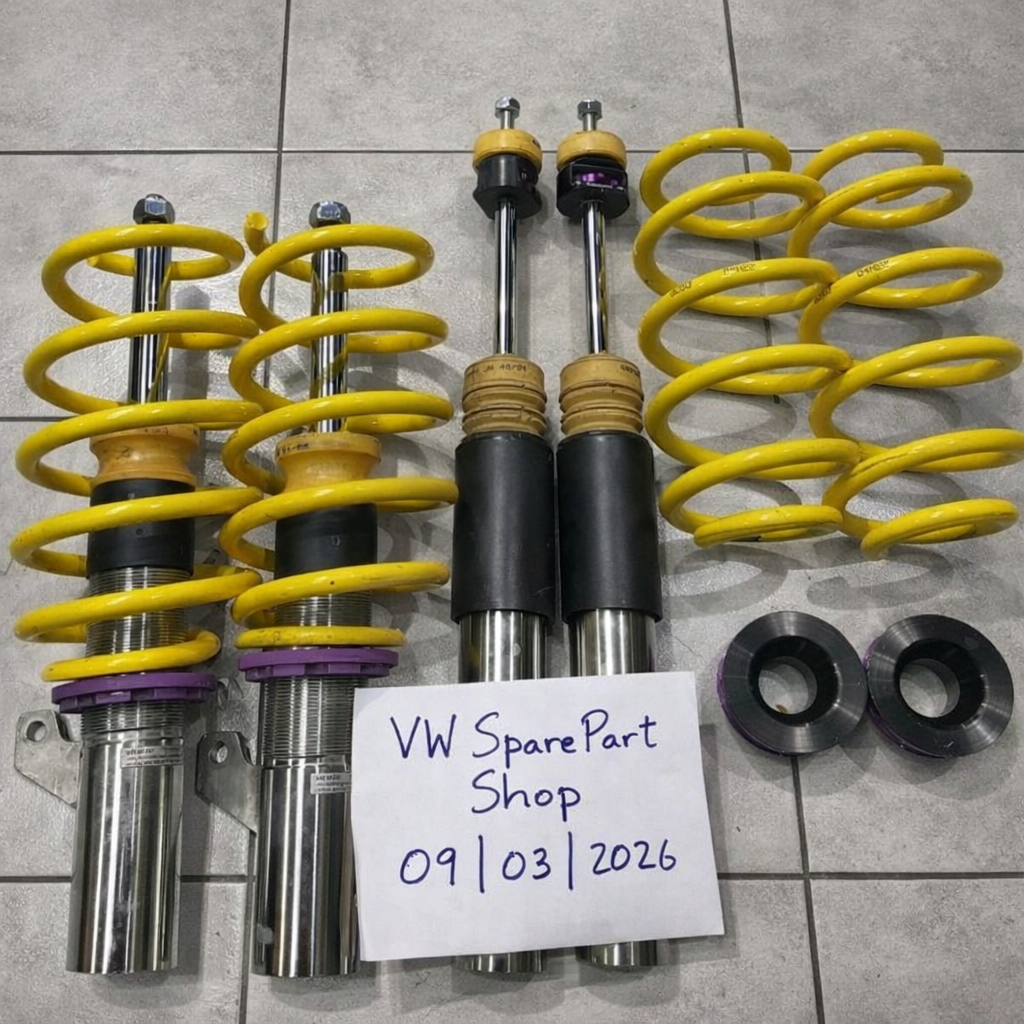
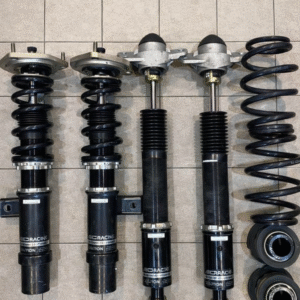
Volkswagen GTI shocks
€350.00
Description
Volkswagen GTI Shocks – Premium Suspension Performance for Ultimate Driving Control
Introduction to Volkswagen GTI Shocks
Across performance-oriented vehicles, suspension components are recognized as one of the most influential factors affecting ride quality, road stability, and driver confidence. Within the renowned GTI platform, Volkswagen GTI shocks play a critical role in ensuring that the vehicle maintains its signature blend of sporty handling and everyday comfort.
Unlike ordinary suspension components, GTI shocks are engineered to manage both dynamic driving conditions and routine commuting environments. Because modern roads present a variety of surfaces—from smooth highways to uneven city streets—effective shock absorbers are required to stabilize the vehicle’s chassis while maintaining tire contact with the road.
Additionally, drivers often expect a GTI to deliver responsive steering, balanced cornering, and reliable braking performance. For this reason, high-quality Volkswagen GTI shocks are designed with advanced damping technology capable of controlling spring movement and minimizing excessive body motion.
Consequently, when the suspension system functions optimally, driving enjoyment is enhanced, passenger comfort is improved, and vehicle safety is strengthened.
What Are Volkswagen GTI Shocks?
Within the suspension system, shock absorbers serve as hydraulic dampers that regulate the movement of suspension springs. Without effective damping, springs would continue bouncing repeatedly after encountering a bump. Because of this natural spring motion, vehicles would become unstable and difficult to control.
Therefore, Volkswagen GTI shocks are installed to absorb and dissipate energy generated by suspension movement. Through carefully engineered hydraulic resistance, shocks ensure that the suspension returns to its resting position smoothly rather than oscillating uncontrollably.
Furthermore, GTI shocks are calibrated specifically for the performance characteristics of the Volkswagen GTI. In comparison to standard economy vehicles, the GTI demands sharper responsiveness, greater cornering stability, and improved braking balance.
As a result, the design of Volkswagen GTI shocks prioritizes both comfort and performance.
Why Volkswagen GTI Shocks Are Essential for Performance Driving
Every time a vehicle encounters uneven pavement, potholes, or road imperfections, the suspension system absorbs the impact. However, the energy created by that impact must be controlled. Otherwise, uncontrolled suspension movement would compromise handling and traction.
Because of this requirement, Volkswagen GTI shocks serve several essential functions.
Stability During Acceleration and Braking
During acceleration, weight is transferred toward the rear of the vehicle. Similarly, braking shifts weight toward the front suspension. Effective shocks manage these weight transfers, allowing the vehicle to remain balanced.
As a result, drivers experience smoother braking performance and improved stability.
Enhanced Cornering Control
When navigating corners, body roll can negatively affect traction. Fortunately, properly functioning Volkswagen GTI shocks help control chassis movement and keep the tires firmly planted on the road.
Consequently, drivers can enjoy precise steering response and confident cornering.
Reduced Road Vibration
Road surfaces are rarely perfectly smooth. Because of this reality, shock absorbers are responsible for minimizing vibrations that would otherwise travel through the suspension system and into the cabin.
Therefore, quality Volkswagen GTI shocks contribute significantly to overall ride comfort.
Engineering Behind Volkswagen GTI Shocks
Advanced engineering principles are applied during the design of modern Volkswagen GTI shocks. Every component inside the shock absorber works together to control suspension motion efficiently.
Hydraulic Damping System
At the core of the shock absorber, hydraulic fluid is used to regulate piston movement. Whenever the suspension compresses or rebounds, fluid flows through internal valves. Because this fluid movement encounters resistance, suspension motion is slowed and stabilized.
Consequently, bouncing is minimized.
Precision Valve Technology
Equally important, modern GTI shocks feature advanced valve assemblies that control the rate at which hydraulic fluid flows. This regulation allows shocks to adapt to different driving conditions.
For example, small road imperfections are absorbed smoothly, while larger impacts are controlled firmly.
Durable Construction Materials
Manufacturers utilize corrosion-resistant coatings, hardened steel components, and high-temperature seals to ensure durability. Because suspension components operate under constant stress, material strength is essential.
As a result, premium Volkswagen GTI shocks are engineered for long-term reliability.
Key Benefits of High-Quality Volkswagen GTI Shocks
When properly engineered shocks are installed, multiple performance benefits can be experienced.
Improved Handling Precision
Firstly, steering responsiveness is enhanced. Because suspension motion is controlled more effectively, the vehicle reacts quickly to steering inputs.
Additionally, body roll during cornering is reduced.
Greater Driving Comfort
Although the GTI is known for sporty performance, comfort remains important for everyday driving. Quality Volkswagen GTI shocks absorb road irregularities while maintaining stability.
Consequently, passengers experience a smoother ride.
Increased Tire Life
Uneven suspension movement can cause irregular tire wear. However, properly functioning shocks keep the tires in consistent contact with the road.
As a result, tire longevity may be improved.
Enhanced Safety
Stable suspension behavior contributes to safer braking and predictable vehicle control. Because of this benefit, maintaining healthy Volkswagen GTI shocks is an important part of vehicle safety.
Volkswagen GTI Shocks Compatibility Across GTI Generations
Over the years, Volkswagen has produced several GTI generations. Each generation features unique suspension tuning and structural improvements. Nevertheless, specialized shocks are available for nearly every GTI model.
Supported Volkswagen GTI Models
High-quality Volkswagen GTI shocks are commonly available for:
-
MK4 Volkswagen GTI
-
MK5 Volkswagen GTI
-
MK6 Volkswagen GTI
-
MK7 Volkswagen GTI
-
MK7.5 Volkswagen GTI
-
MK8 Volkswagen GTI
Because suspension geometry differs between generations, selecting shocks designed specifically for the correct model is recommended.
Types of Volkswagen GTI Shocks Available
Different driving preferences require different suspension characteristics. For this reason, several types of Volkswagen GTI shocks are available.
OEM Replacement Shocks
Drivers who prefer factory ride quality often choose OEM-style replacements.
Features include:
-
Direct factory fitment
-
Balanced comfort and performance
-
Reliable daily driving capability
Performance Sport Shocks
Enthusiasts seeking improved cornering and responsiveness may choose sport-tuned shocks.
Benefits include:
-
Firmer damping characteristics
-
Reduced body roll
-
Increased steering precision
Adjustable Performance Shocks
Advanced suspension setups sometimes feature adjustable shocks.
Key advantages include:
-
Customizable rebound damping
-
Adjustable compression control
-
Track-ready suspension tuning
Because driving styles vary widely, adjustable Volkswagen GTI shocks provide greater flexibility.
Highlight Features of Volkswagen GTI Shocks
When evaluating suspension upgrades, several features should be considered.
Highlight Bullet List for Product Listings
-
Precision-engineered damping system
-
High-strength piston and valve assemblies
-
Direct compatibility with Volkswagen GTI models
-
Corrosion-resistant outer housing
-
Improved vehicle stability and control
-
Reduced suspension vibration and noise
-
Enhanced braking balance
-
Long-lasting hydraulic performance fluid
-
Optimized handling for sporty driving
-
Designed for durability under demanding conditions
Because of these design features, premium Volkswagen GTI shocks deliver both reliability and performance improvements.
Signs That Volkswagen GTI Shocks Need Replacement
Over time, shock absorbers gradually lose effectiveness. As internal seals wear and hydraulic fluid degrades, performance can decline.
Common symptoms may include:
-
Excessive vehicle bouncing after bumps
-
Nose diving during braking
-
Uneven or rapid tire wear
-
Poor cornering stability
-
Increased steering vibration
-
Visible oil leakage around the shock body
Whenever these signs appear, inspection or replacement of Volkswagen GTI shocks should be considered.
Installation Considerations for Volkswagen GTI Shocks
Although installation may be performed by experienced automotive technicians, professional service is often recommended.
During installation, suspension mounts, bushings, and related hardware should be inspected carefully. Because worn support components can reduce shock effectiveness, replacing associated parts may improve overall performance.
Furthermore, a wheel alignment should be performed after installation. Proper alignment ensures that suspension geometry remains accurate.
Why Upgrading Volkswagen GTI Shocks Improves Driving Experience
Performance upgrades are often pursued by GTI owners who appreciate the vehicle’s sporty character. Because suspension plays such a critical role in driving dynamics, upgrading shocks is one of the most impactful modifications available.
Enhanced road feedback, improved cornering control, and greater ride stability can all be achieved through high-quality Volkswagen GTI shocks.
Consequently, drivers may experience greater confidence during both daily commuting and spirited driving.
How Volkswagen GTI Shocks Improve Driving Dynamics
Throughout performance vehicles, suspension components directly influence driving behavior. In the Volkswagen GTI platform, Volkswagen GTI shocks play a major role in balancing comfort, control, and responsiveness.
Whenever a car accelerates, brakes, or turns, forces are transferred through the suspension system. Because of this constant movement, the shock absorbers must regulate how quickly the suspension compresses and rebounds.
Additionally, precise damping ensures that tires remain firmly connected to the road surface. As a result, the vehicle maintains traction during sudden maneuvers and high-speed cornering.
Moreover, Volkswagen GTI shocks are engineered specifically to support the sporty DNA of the GTI lineup. Consequently, drivers benefit from sharper steering response and more predictable vehicle behavior.
The Relationship Between Suspension and Tire Contact
Consistent tire contact with the road is essential for maintaining traction. Without proper shock performance, the wheels may lose contact momentarily when encountering bumps or uneven pavement.
Because Volkswagen GTI shocks stabilize vertical wheel movement, tire grip remains consistent. Therefore, braking efficiency and steering precision are significantly improved.
Volkswagen GTI Shocks vs Struts: Understanding the Difference
Suspension terminology can sometimes be confusing, especially for newer enthusiasts. Many drivers wonder whether Volkswagen GTI shocks and struts are the same component.
Although both parts contribute to suspension damping, their functions differ.
What Are Shock Absorbers?
Shock absorbers primarily control suspension movement by dissipating energy generated by spring compression.
Characteristics include:
-
Hydraulic damping control
-
Reduced bouncing and oscillation
-
Stabilized vehicle handling
Because GTI models use sophisticated suspension geometry, Volkswagen GTI shocks are designed to match the spring rate and performance characteristics of the vehicle.
What Are Struts?
Struts combine the shock absorber and suspension structure into a single assembly.
Features of struts include:
-
Structural support for suspension
-
Integration with steering components
-
Combined spring and damping system
In some GTI setups, strut assemblies are used at the front while traditional shocks are installed at the rear.
Therefore, understanding the difference between struts and Volkswagen GTI shocks helps drivers make informed suspension decisions.
Volkswagen GTI Shocks vs Coilovers
Among performance enthusiasts, coilover suspension systems are frequently discussed. Because coilovers combine adjustable shocks with performance springs, they offer additional tuning capabilities.
Nevertheless, many drivers prefer upgraded Volkswagen GTI shocks paired with performance springs rather than full coilover systems.
Advantages of Volkswagen GTI Shocks
High-quality shocks offer several benefits:
-
Lower cost compared to coilovers
-
Simpler installation
-
Excellent balance between comfort and performance
-
Reliable durability for daily driving
Consequently, upgraded Volkswagen GTI shocks are often selected by drivers seeking improved handling without sacrificing ride quality.
Advantages of Coilover Systems
Although shocks provide excellent performance, coilovers allow deeper customization.
Coilover benefits include:
-
Adjustable ride height
-
Track-ready suspension tuning
-
Adjustable damping settings
-
Aggressive performance setups
Because coilovers prioritize maximum adjustability, they are often chosen for motorsport or heavily modified vehicles.
Best Aftermarket Volkswagen GTI Shocks
Aftermarket suspension manufacturers have developed numerous performance shock options for GTI vehicles. These brands focus on durability, precise damping control, and improved ride dynamics.
Several manufacturers have built strong reputations within the automotive performance community.
Bilstein Volkswagen GTI Shocks
Bilstein is widely recognized for producing premium suspension components.
Key characteristics include:
-
High-pressure gas shock technology
-
Exceptional durability
-
Consistent damping performance
-
Motorsport-inspired engineering
Because Bilstein shocks are designed with precision engineering, they are often selected for both street and track applications.
Koni Volkswagen GTI Shocks
Koni shocks are another popular choice among GTI enthusiasts.
Advantages include:
-
Adjustable rebound damping
-
Balanced comfort and performance
-
Long-lasting internal components
-
Excellent ride control
Consequently, Koni Volkswagen GTI shocks are frequently recommended for drivers seeking customizable suspension tuning.
Sachs Volkswagen GTI Shocks
Sachs suspension components are commonly used in OEM applications.
Benefits include:
-
Factory-level ride comfort
-
Reliable build quality
-
Smooth damping characteristics
Because Sachs focuses on refined ride quality, their Volkswagen GTI shocks are ideal for drivers who prefer a factory-like experience.
KYB Volkswagen GTI Shocks
KYB produces affordable yet durable suspension components.
Features include:
-
Gas-charged shock technology
-
Consistent damping control
-
Reliable performance for daily driving
Therefore, KYB shocks are often selected as a budget-friendly upgrade for GTI suspension systems.
Performance Suspension Technology Used in Volkswagen GTI Shocks
Modern shock absorbers are designed using advanced engineering techniques. These technologies improve durability, responsiveness, and ride comfort.
Gas-Charged Shock Technology
Many modern Volkswagen GTI shocks are gas-charged. In this design, nitrogen gas is added to the shock absorber chamber.
Benefits include:
-
Reduced aeration of hydraulic fluid
-
More consistent damping performance
-
Improved shock responsiveness
Because gas pressure stabilizes internal fluid movement, shock performance remains consistent even under aggressive driving conditions.
Twin-Tube Shock Design
Twin-tube shocks are commonly used in OEM suspension systems.
Features include:
-
Inner working cylinder
-
Outer reservoir chamber
-
Smooth ride characteristics
This design allows fluid to move between chambers, providing controlled suspension movement.
Monotube Shock Design
Performance-oriented Volkswagen GTI shocks often use a monotube design.
Advantages include:
-
Improved heat dissipation
-
Faster damping response
-
Enhanced durability during aggressive driving
Consequently, monotube shocks are frequently chosen for high-performance applications.
How Volkswagen GTI Shocks Affect Cornering Performance
Cornering performance is a defining characteristic of the GTI driving experience. Suspension components must maintain stability while allowing the vehicle to respond quickly to steering inputs.
Controlling Body Roll
When a vehicle enters a corner, centrifugal force causes the body to lean outward. Because excessive body roll can reduce traction, shock absorbers help control this motion.
Properly tuned Volkswagen GTI shocks limit chassis movement and stabilize the vehicle during turns.
Maintaining Tire Grip
Consistent tire contact is essential during cornering. Without effective damping, tires may momentarily lose traction.
However, high-performance Volkswagen GTI shocks ensure that the suspension reacts quickly to road surface changes.
Consequently, cornering grip is improved.
Volkswagen GTI Shocks for Daily Driving vs Performance Driving
Drivers often have different expectations for their suspension setup. Some prioritize comfort for commuting, while others prefer aggressive performance characteristics.
Daily Driving Suspension Setup
For everyday driving, comfort and reliability are important considerations.
Ideal features include:
-
Smooth damping characteristics
-
Reduced cabin vibration
-
Balanced handling performance
Because OEM-style Volkswagen GTI shocks provide comfortable ride quality, they are commonly selected for daily use.
Performance Driving Suspension Setup
Enthusiasts who enjoy spirited driving may prefer firmer shocks.
Performance shocks typically offer:
-
Increased damping force
-
Reduced body roll
-
Faster steering response
Therefore, sport-tuned Volkswagen GTI are often installed by drivers seeking improved handling performance.MK7 GTI suspension
Maintenance Tips for Volkswagen GTI Shocks
Proper maintenance helps ensure long-lasting suspension performance.
Although shocks are durable components, regular inspection is recommended.
Routine Suspension Inspections
During routine vehicle maintenance, the suspension system should be inspected for signs of wear.
Items to check include:
-
Shock body leakage
-
Worn bushings
-
Loose mounting hardware
-
Abnormal tire wear
Because these issues may indicate failing Volkswagen GTI shocks, early detection can prevent further suspension damage.GTI OEM shock absorber
Recommended Replacement Intervals
Although replacement intervals vary depending on driving conditions, many mechanics recommend inspecting shocks every 50,000 miles.
However, aggressive driving conditions may require earlier replacement.
Therefore, maintaining healthy Volkswagen GTI shocks ensures consistent vehicle performance.
Buyer’s Guide for Volkswagen GTI Shocks
Choosing the right suspension components requires consideration of several factors.
Important Factors to Consider
Before purchasing Volkswagen GTI shocks, drivers should evaluate:
-
Vehicle generation compatibility
-
Driving style and usage
-
Suspension upgrade goals
-
Budget considerations
-
Installation requirements
Because suspension performance affects overall driving safety, selecting high-quality components is strongly recommended.
Why Volkswagen GTI Shocks Are One of the Most Effective Suspension Upgrades
Performance enthusiasts often pursue upgrades that provide noticeable improvements without excessive cost.
Fortunately, Volkswagen GTI shocks offer one of the most impactful suspension upgrades available.
Several benefits can be experienced:
-
Improved steering response
-
Enhanced vehicle stability
-
Better ride comfort
-
Increased tire longevity
-
Greater driver confidence
Consequently, upgrading suspension shocks remains a popular modification among GTI owners worldwide.

Reviews
There are no reviews yet.