
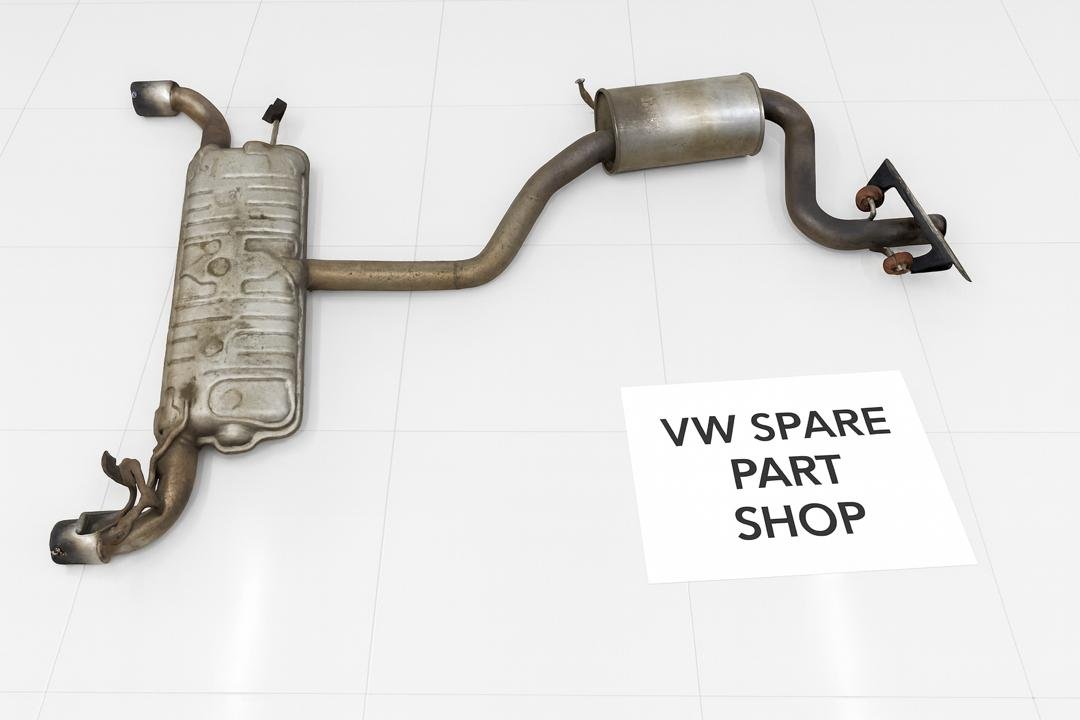
Volkswagen Mk6 GTI Resonator
€500.00
Description
Volkswagen Mk6 GTI Resonator Upgrade
Enthusiasts searching for a deeper, cleaner, and more performance-oriented exhaust tone for their Mk6 GTI often begin with one specific upgrade: the Volkswagen Mk6 GTI Resonator. Designed to refine acoustic output, reduce unwanted frequencies, and amplify the character of the GTI’s turbocharged engine, this component delivers one of the most cost-effective yet dramatic improvements to the driving experience. While the stock resonator performs adequately for everyday commuting, performance-focused drivers frequently desire a more spirited exhaust note. That’s where a premium resonator upgrade becomes an essential modification.
With the right resonator, your Mk6 GTI gains clarity in exhaust tone, smoother airflow, and a noticeably more engaging personality on both city streets and open highways. Furthermore, because the resonator affects sound without creating unnecessary cabin drone, it remains a favorite upgrade among drivers who want excitement without sacrificing daily comfort.
Why the Volkswagen Mk6 GTI Resonator Matters for Sound & Performance
Enhanced Exhaust Tone Without Excessive Volume
The stock Mk6 GTI exhaust system is engineered for broad appeal. Many drivers appreciate its subtle tone, although plenty feel the factory note lacks the sporty identity expected from a turbocharged hot hatch. Since a resonator upgrade targets tone rather than overall loudness, you gain richness without stepping into overly aggressive territory.
Balanced Cabin Experience for Every Driver
A performance resonator focuses on eliminating unwanted frequencies. By smoothing harsh rasp, reducing metallic tones, and evening out inconsistencies, it produces a refined exhaust signature. Since enthusiasts value a personal and comfortable driving experience, this upgrade offers enjoyment for both spirited outings and long-distance trips.
Improved Exhaust Flow Characteristics
Because a resonator is part of the exhaust pathway, a well-designed model supports smoother airflow. That improvement, even when modest, contributes to sharper throttle response and more efficient turbo performance. Although not as impactful as a full downpipe or cat-back system, it still enhances overall system harmony.
Key Benefits of Upgrading Your Volkswagen Mk6 GTI Resonator
You’ll notice three advantages immediately after installation:
-
Richer, fuller exhaust tone without unnecessary harshness
-
Reduced drone at cruising speeds
-
Optimized airflow that supports performance upgrades
Additionally, a quality resonator creates a seamless pairing with popular modifications. Whether you’re installing an intake system, tuning software, a downpipe, or a full exhaust, this component integrates cleanly with your upgrade pathway.
Designed for Enthusiasts Who Want Identity in Their Drive
A Resonator That Enhances Everyday Use
Many performance parts lean heavily toward aggressive output. A resonator upgrade delivers personality while maintaining comfort. Because so many Mk6 GTI owners use their vehicles for daily driving, the sweet-spot balance provided by a tuned resonator becomes especially appealing.
Compatibility With OEM and Aftermarket Components
Brands engineer resonators to match factory fitment points while leaving enough flexibility to pair with various exhaust components. This ensures straightforward installation and hassle-free integration with your current setup.
Your Mk6 GTI Deserves a Sound That Matches Its Performance Potential
The Volkswagen Mk6 GTI is admired for its responsive turbocharged engine, nimble handling, and iconic design. Although the factory exhaust note is respectable, many drivers feel it doesn’t fully capture the excitement under the hood. Upgrading the Volkswagen Mk6 GTI Resonator corrects that mismatch. As a result, you gain a sound that reflects the vehicle’s dynamic behavior—bold when it should be, subtle when needed, and consistently enjoyable.
How a Resonator Works in the Mk6 GTI Exhaust System
Frequency Tuning for Cleaner Sound
A resonator uses a tuned chamber that targets specific sound waves. As exhaust gases travel through the system, the resonator cancels unwanted tones and amplifies desirable ones. This engineering approach allows manufacturers to sculpt sound character with precision.
Maintaining Legal Noise Levels
Since resonators shape tone without a dramatic increase in decibels, they help you stay within local noise regulations. This makes the upgrade ideal for drivers who want an enhanced sound profile without attracting excessive attention.
Supporting the Entire Exhaust Pathway
The resonator works with the muffler and catalytic converter to create a balanced exhaust system. Because each part influences flow and acoustics, improving one component positively affects the others.
Signs Your Mk6 GTI Could Benefit From a Resonator Upgrade
You might consider replacing or upgrading the resonator if you experience:
-
A dull or muted exhaust note
-
Excessive rasp or metallic noise
-
Noticeable drone around 2,000–3,000 RPM
-
A desire for a sportier yet refined tone
-
Modifications that altered exhaust character
These indicators suggest that your current resonator is either aging or insufficient for your performance goals.
Choosing the Right Volkswagen Mk6 GTI Resonator for Your Build
Material Selection
Most resonators for the Mk6 GTI use:
-
Stainless steel for durability
-
Aluminized steel for affordability
-
High-grade alloys for long-term performance
Resonator Length and Shape
Longer or larger resonators typically offer:
-
More sound smoothing
-
Greater drone reduction
-
Slightly quieter volume
Meanwhile, smaller performance resonators deliver:
-
Sharper tone
-
More turbo presence
-
A sportier sound overall
Straight-Through vs. Chambered Designs
Straight-through resonators provide excellent flow and a cleaner tone. Chambered designs offer a more sculpted sound character. Both styles perform well on the Mk6 platform depending on your preference.
When a Performance Resonator Makes the Most Sense
Although some drivers replace the resonator during a full exhaust overhaul, many choose to upgrade it separately. Because the resonator is central to sound shaping, changing it alone can dramatically alter tone. Consequently, the resonator is often the first step in a broader modification journey.
You might prioritize this upgrade if:
-
You want noticeable sound improvement without committing to a full cat-back
-
You prefer a refined yet sport-oriented tone
-
You’re trying to eliminate drone from existing modifications
-
You installed a downpipe and now seek smoother exhaust notes
Installation Considerations for a Volkswagen Mk6 GTI Resonator
Direct-Fit vs. Universal Models
Direct-fit resonators match factory dimensions, mounting points, and pipe diameter. Universal models offer flexibility for custom builds. Both options can produce excellent results when installed correctly.
Professional vs. DIY Installation
A professional exhaust shop ensures correct alignment, secure welding, and precise placement. Although experienced DIY enthusiasts can complete the installation, incorrect positioning may reduce the resonator’s effectiveness.
Break-In Period
Although resonators do not technically require a break-in, exhaust tone often becomes slightly richer after several hundred miles of driving as carbon deposits settle in.
Performance Gains You May Experience
Even though resonators focus on sound rather than horsepower, they can contribute to:
-
Marginal improvements in turbo spool
-
Smoother throttle transitions
-
Cleaner airflow through the midpipe
These subtle changes enhance overall driving feel, which many enthusiasts appreciate.
Compatibility With Common Mk6 GTI Modifications
Your resonator upgrade pairs extremely well with:
-
Performance intakes
-
ECU tunes (Stage 1 and Stage 2)
-
Downpipes (catted or high-flow)
-
Cat-back exhaust systems
-
Intercooler upgrades
-
Lightweight pulleys
Because the resonator helps manage exhaust tone, it ensures these performance improvements sound satisfying without overwhelming your driving environment.
Exploring the Acoustic Science Behind a Volkswagen Mk6 GTI Resonator
Exhaust acoustics may appear simple on the surface. However, the engineering behind a resonator is remarkably nuanced. By understanding how acoustic waves interact with internal chambers, you gain a deeper appreciation of why a resonator dramatically shapes the personality of your Mk6 GTI’s sound.
How Exhaust Frequencies Behave Inside a Resonator
The exhaust system generates a wide range of frequencies as gases exit the turbocharger and travel through the pipework. Not all these frequencies complement each other. Some create unwanted rasp, others form low-frequency drone, and a few develop pitched metallic resonance. A resonator counteracts these inconsistencies.
Inside the resonator:
-
Standing sound waves are selectively canceled
-
Harmonic inconsistencies are smoothed
-
Airflow turbulence is minimized
-
Reflected waves dissipate undesirable tones
Through these functions, the resonator filters raw frequency output and transforms it into a more enjoyable, performance-oriented sound signature.
Why the Mk6 GTI Responds Exceptionally Well to Resonator Tuning
The Volkswagen Mk6 GTI features a turbocharged 2.0 TSI engine known for lively characteristics. Because turbo systems naturally compress and accelerate exhaust gases, they create a dense frequency range rich in sharp tones. While this trait contributes to the GTI’s exciting behavior, it also introduces sound frequencies that benefit from refinement.
A resonator upgrade enhances:
-
Mid-range frequency clarity
-
Turbo whistle and spool harmonics
-
Smooth low-end tone
-
Higher-RPM crispness
With these improvements, your Mk6 GTI gains both presence and finesse.
Benefits of a Premium Volkswagen Mk6 GTI Resonator in Real-World Driving
Although technical advantages appeal to enthusiasts, everyday benefits matter just as much. A well-engineered resonator supports all types of drivers—commuters, weekend adventurers, track-day enthusiasts, and casual modifiers.
Enjoyable Daily Driving Without Compromises
A resonator adds character without overwhelming comfort. You hear the satisfying sound of your GTI, yet passengers still experience a quiet, relaxed cabin. This balance makes the modification ideal for shared vehicles and family-friendly driving environments.
Improved Long-Distance Comfort
Drone is one of the biggest complaints among drivers who upgrade exhaust components. Because resonators directly target these low-frequency vibrations, your Mk6 GTI remains pleasant during extended road trips. Even at steady highway speeds, the cabin stays calm and refined.
Enhanced Driving Confidence
A clear, predictable exhaust tone gives drivers a stronger sense of engine behavior. Subtle acoustic feedback helps with:
-
Throttle modulation
-
Gear changes
-
Acceleration timing
-
Awareness of engine load
Since enthusiasts value control, a resonator upgrade strengthens that connection.
Consistency Across Gear Changes
One overlooked benefit is tone stability. When shifting through gears, many drivers notice sound inconsistencies caused by resonator limitations. A performance resonator reduces those variations, creating a smooth and cohesive auditory experience from first gear to redline.
Different Styles of Volkswagen Mk6 GTI Resonators and Their Sound Profiles
Choosing a resonator means choosing your vehicle’s voice. Although nearly all models improve tone, each style emphasizes different characteristics.
1. Straight-Through Perforated Tube Resonators
These resonators use a perforated inner tube surrounded by sound-absorbing material.
They deliver:
-
Clean, sporty tone
-
Strong drone reduction
-
Excellent airflow characteristics
2. Chambered Resonators
Chambered models use internal partitions to reflect waves.
They provide:
-
Sculpted mid-range frequencies
-
Deeper low-end resonance
-
More aggressive character
3. High-Performance Motorsport Resonators
Designed for tuned Mk6 GTIs, these resonators emphasize responsiveness.
You gain:
-
Crisp, sharp throttle acoustics
-
High-RPM clarity
-
Minimal flow restriction
4. OEM-Style Resonators With Enhanced Materials
Some drivers want refinement without noticeable change. Improved OEM-style resonators blend subtly into the stock exhaust system.
Expect:
-
Slight tone enrichment
-
Softer rasp
-
OEM-quality comfort
Materials That Influence the Performance of a Mk6 GTI Resonator
Your resonator’s durability and sound depend heavily on its construction materials. Because exhaust systems endure extreme heat cycles and constant vibration, material quality shouldn’t be overlooked.
Stainless Steel Resonators
This option dominates the performance aftermarket.
Benefits include:
-
Exceptional corrosion resistance
-
Long lifespan
-
Clean weld quality
-
Heat tolerance under spirited driving
Aluminized Steel Resonators
A more cost-effective solution, aluminized steel provides reliable performance for casual drivers.
Advantages:
-
Lower price point
-
Adequate durability
-
Resistance to moderate corrosion
Titanium and High-Grade Alloy Resonators
For high-performance builds, advanced materials become appealing.
Titanium offers:
-
Ultra-lightweight construction
-
Superior strength
-
Higher temperature resistance
-
Unique tonal personality
Although these premium materials cost more, they serve drivers wanting the highest performance standard.
How Resonator Size Impacts the Volkswagen Mk6 GTI Exhaust Note
Many enthusiasts overlook resonator size, even though it significantly influences tone and drivability.
Longer Resonators
A longer resonator produces a smoother, more refined sound with:
-
Enhanced drone cancellation
-
Mellow low-end frequencies
-
Slightly quieter volume
Shorter Resonators
Compact resonators create a more spirited sound profile.
Expect:
-
Sharper, rawer tone
-
Slightly louder acceleration notes
-
More turbo whistle presence
Diameter and Internal Volume
Internal volume affects how much sound energy is absorbed or redirected. A larger diameter typically enhances smoothness, while smaller dimensions increase intensity.
When Enthusiasts Replace the Resonator During Their Modification Journey
Although some drivers upgrade exhaust components in a single phase, many prefer a gradual approach. The resonator often becomes a smart first step.
Popular upgrade sequences include:
Stage 1: Resonator Enhancement
Ideal for beginners seeking a richer tone without complexity.
Stage 2: Downpipe and Tune
Once a Stage 1 tune or downpipe is installed, frequencies change, and a quality resonator balances the exhaust perfectly.
Stage 3: Cat-Back System or Full Exhaust
Later, when pursuing maximum flow and power, the resonator still influences the final sound profile.
Because it works harmoniously with every stage, the resonator becomes a foundational modification.

Noise Regulations and Why Resonators Help Keep Your Mk6 GTI Compliant
Performance sound upgrades must consider regional noise laws. Fortunately, resonators support compliance without compromising enjoyment.
How a Resonator Helps Maintain Street Legality
Most areas regulate maximum decibel levels. Since resonators shape tone instead of boosting volume, they naturally help you remain within legal thresholds.
Respectful Sound Output
Inclusive automotive culture means being considerate of communities and shared environments. A well-tuned resonator ensures your GTI sounds exciting while remaining respectful to bystanders.
Track-Day Considerations
Some tracks enforce strict sound limits. With the correct resonator, your car passes sound checks while still delivering thrilling performance.
Why a Volkswagen Mk6 GTI Resonator Upgrade Supports Future Mods
Performance modification is often evolutionary. Owners sometimes begin with a simple intake or tune before expanding into more complex systems. Because the resonator remains compatible throughout this progression, it future-proofs your build.
Supports Higher Exhaust Flow Requirements
When horsepower increases, exhaust velocity rises. A performance resonator handles increased flow without restricting power, ensuring your Mk6 GTI breathes efficiently.
Balances Aggressive Downpipes
Downpipes add volume and introduce sharper tones. A resonator neutralizes harshness, providing a polished final sound.
Prevents Drone From Amplified Frequencies
As modifications stack, resonant frequencies intensify. The right resonator prevents cabin discomfort during acceleration or cruising.
A Closer Look at How Resonators Affect Turbocharged Engines
The Mk6 GTI uses the beloved 2.0 TSI turbo engine. Turbo systems interact uniquely with exhaust acoustics.
Turbo Smoothing Effect
Turbochargers naturally muffle some frequencies as exhaust gases pass through turbine blades. This effect removes certain tones but also introduces sharper harmonics. A resonator harmonizes these changes.
Spool Clarity
A premium resonator helps you hear turbo spool more distinctly, especially under partial throttle or quick acceleration.
Engine Load Feedback
The refined exhaust note provides better acoustic cues for shifting, accelerating, and modulating throttle input.
Understanding the Relationship Between Resonators and Mufflers
Many drivers understandably confuse resonators with mufflers. Even though the two components share acoustic responsibilities, they serve distinct purposes within the exhaust system. Understanding how they work together helps you make the most informed upgrade decision for your Mk6 GTI.
How a Muffler Functions Compared to a Resonator
A muffler focuses on reducing volume by forcing exhaust gases through noise-dampening chambers. Resonators, however, sculpt sound rather than reduce decibels. Because each component handles different frequencies, the best exhaust setups include both.
Why the Mk6 GTI Benefits From Both Components Working Harmoniously
Your vehicle’s turbocharged engine creates a complex mixture of frequencies. A muffler softens overall loudness, while a resonator cancels unwanted tones, including:
-
Low-frequency drone
-
Mid-range rasp
-
Metallic vibrations
-
Sharp resonance at higher RPMs
Together they create a balanced exhaust personality that enhances enjoyment without overwhelming the cabin.
How Exhaust Backpressure Interacts With a Performance Resonator
Although resonators primarily influence sound, their internal structure affects airflow. Because the Mk6 GTI performs best with controlled flow, understanding backpressure is essential.
The Importance of Balanced Backpressure
Exhaust gases require a certain amount of resistance to maintain torque. Removing too much backpressure may cause sluggish low-end performance. Fortunately, high-quality resonators preserve the exhaust velocity your GTI needs.
How a Resonator Supports Optimal Low-End Torque
A professionally engineered resonator:
-
Maintains exhaust velocity
-
Reduces turbulence and pressure spikes
-
Enhances smooth airflow transition between components
As a result, you experience improved throttle response during daily driving and spirited acceleration.
Why the Mk6 GTI’s Engine Design Responds Well to Resonator Upgrades
Volkswagen’s 2.0 TSI engine uses variable valve timing and turbocharging to manage air and fuel delivery. Because every aspect of this system relies on consistent airflow, a resonator that improves acoustic flow harmony becomes especially valuable.
Heat Management and Durability of a Mk6 GTI Resonator
Exhaust components endure extreme conditions. Temperatures often exceed several hundred degrees during heavy acceleration, making material quality and heat management essential.
Why Heat Resistance Matters
Thermal expansion repeatedly stresses the resonator’s casing and welds. Because cheap resonators crack or fail under prolonged heat exposure, selecting a premium option ensures long-term reliability.
Features That Improve Heat Tolerance
A durable resonator typically includes:
-
High-grade stainless steel
-
TIG-welded seams
-
Multi-layer sound-absorbing material
-
Corrosion-resistant coating
-
Precision mandrel bends (for included pipes)
These features help your resonator maintain acoustic performance even under track conditions or hot climates.
Protecting Your Exhaust System From Excessive Heat Cycles
Drivers who frequently enjoy spirited driving may notice the exhaust system glowing after extended runs. A premium resonator withstands that heat without distorting internal chambers, ensuring consistent sound quality over time.
The Role of Internal Lining and Packing Material in Sound Quality
Although the outer shell handles heat and durability, internal packing determines tone and resonance. Because Mk6 GTI owners often desire a refined yet sporty note, the packing material becomes a critical factor.
Common Packing Materials
Modern resonators use:
-
Fiberglass matting for softening harsh tones
-
Stainless-steel wool for high-temperature endurance
-
Ceramic fiber for maximum heat resistance
How Packing Density Influences Tone
Higher density material absorbs more sound, resulting in:
-
Reduced drone
-
Lower overall volume
-
Smoother frequency transitions
Lower density creates a sharper, more aggressive character.
Longevity of Packing Materials
Some resonators lose tone quality as packing burns out. Fortunately, premium models use materials that maintain consistency even after extended use.
Related products
-

-

-
Volkswagen Golf GTI Exhaust
€500.00Select options This product has multiple variants. The options may be chosen on the product page -
Reviews
There are no reviews yet.